
The Rise of Solo Dining: Why 1-Person Meals Are Surging Globally Despite Restaurant Rejections
Daniel Kim Views
Translation result.![[헤럴드경제DB]](https://cdn-union.tenbizt.com/contents/crawler-dev/image/2026/05/CP-2023-0083/image-e3f34cfc-ee9c-47d5-b2cb-986889642728.jpeg) [Herald Economy = Min Sung-gi] A foreign journalist visiting South Korea revealed they were turned away from restaurants twice, a revelation that caught readers’ attention.
[Herald Economy = Min Sung-gi] A foreign journalist visiting South Korea revealed they were turned away from restaurants twice, a revelation that caught readers’ attention.
On the 5th (local time), CNN Travel published a story titled “We Don’t Sell Loneliness: Restaurants That Don’t Welcome the Solo-Dining Boom.”
A freelance travel writer and food critic from Hong Kong told CNN that while trying to grab a weekday lunch, staff at two different restaurants told them, “We don’t seat solo diners.” It happened twice in a single day. The writer said they felt embarrassed and disoriented — like traveling alone was somehow shameful or wrong.
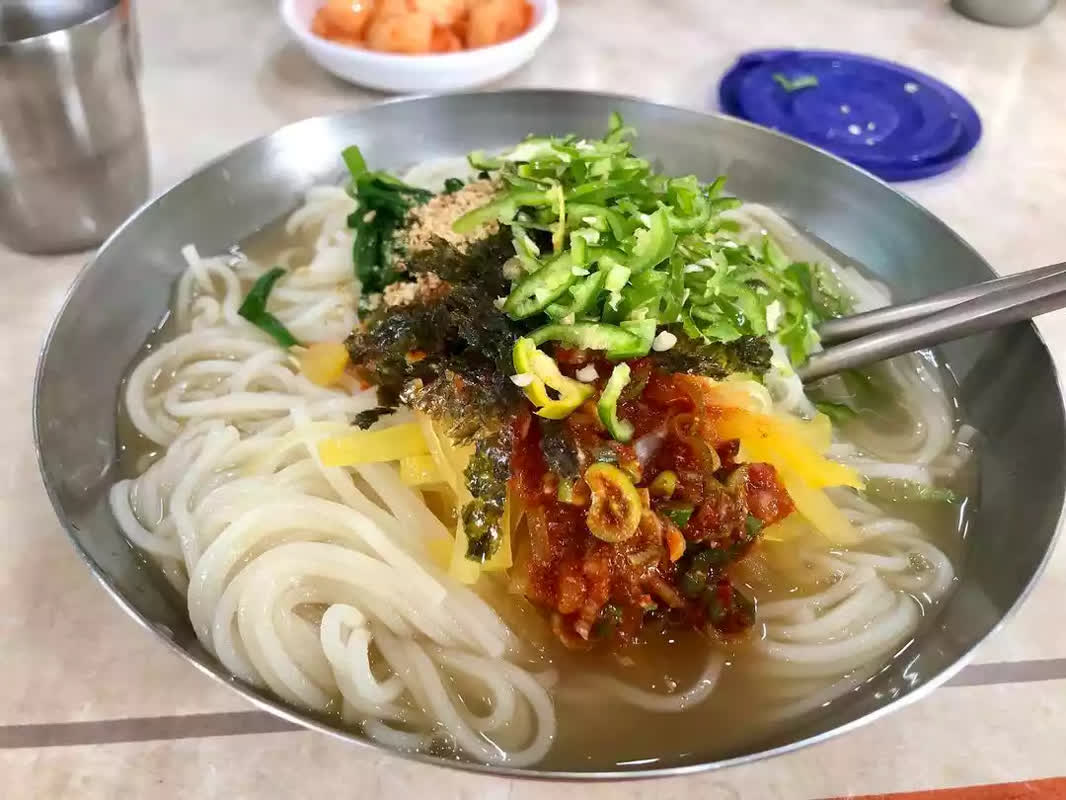
CNN pointed out that one-person households in Korea topped 36% last year, yet public acceptance of solo dining still lags. The piece also highlighted a controversial incident in Seoul last year when a noodle shop posted a sign reading, “We don’t sell loneliness.”
But CNN noted that this isn’t only a Korean issue. In 2023, some restaurants in Barcelona turned away solo customers to prioritize groups, and in Liverpool, restrictions on single seats during busy hours sparked debate.
The discomfort people feel about eating alone has even inspired the term “Solomangarephobic.”
Despite the stigma, the solo-dining market is booming. Global reservation platform OpenTable found that worldwide bookings for single diners rose 19% year-over-year last year — the largest increase on record. OpenTable also reported that solo diners spend an average of 90 USD (approximately 120,000 KRW), about 54% more than other party types.











Most Commented