
Translation result
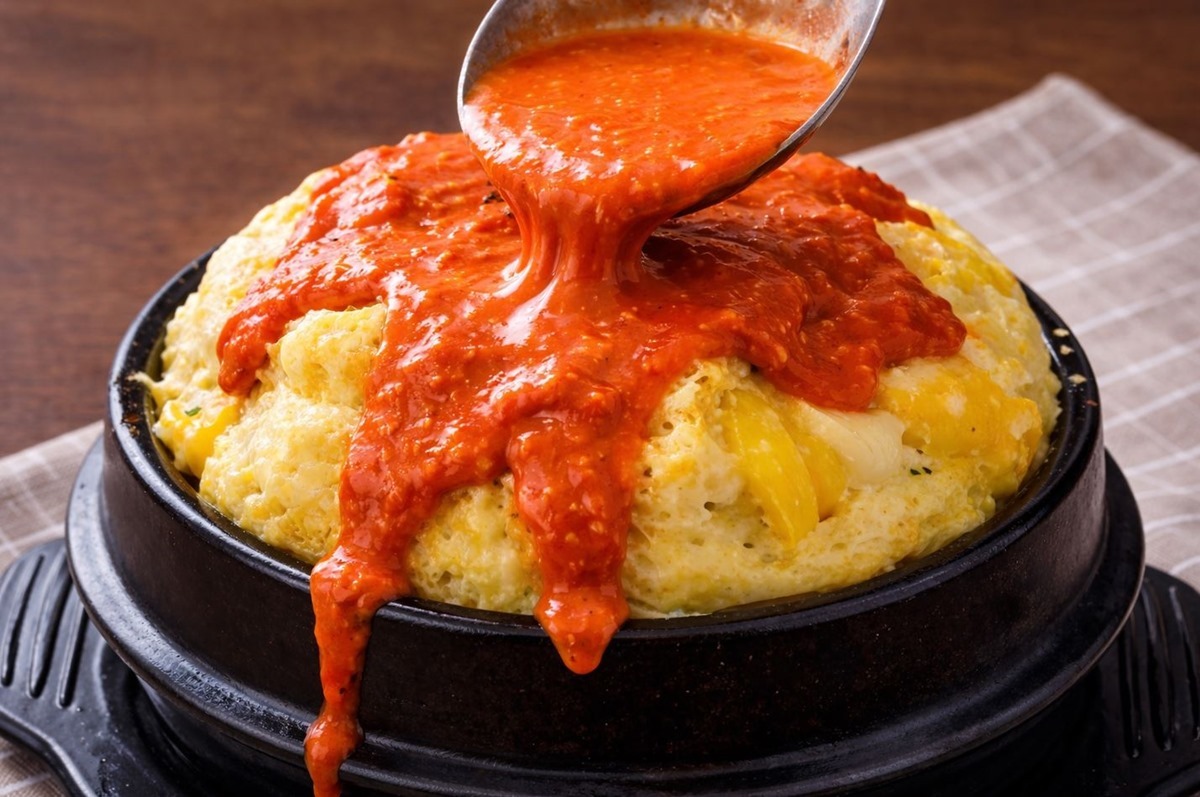
Think fluffy steamed egg elevated with a silky rose sauce — a playful, delicious twist on a humble egg dish. It’s creamy and flavorful enough to stand alongside rice, yet easy to serve as a cozy snack with drinks.
The nutty richness and subtle tang of rose sauce, made from tomato sauce and cream, meld seamlessly with the steamed egg. The result is a gentle, approachable flavor that both kids and adults can enjoy.
Rose sauce combines the bright acidity of tomatoes with the smooth, savory richness of heavy cream. Its soft blend of red and cream tones is why it’s called “rose.” Adding butter rounds and deepens the flavor, transforming a simple steamed egg into something special — a quick, stylish way to change up a familiar comfort food.
Start with the basic egg mixture. Crack three eggs into a bowl and whisk until combined. Season with 1 tablespoon mirin, 1 tablespoon gukganjang (Korean soup soy sauce), and 1/2 tablespoon salt. If you want extra umami, add a very small pinch of Dasida seasoning, but be cautious — a little goes a long way.
Next, stir in one pack of mozzarella and 100 ml (about 3.4 fl oz) water until the mixture is even. Don’t whisk too vigorously — too many bubbles will make the steamed egg’s surface coarse. Use chopsticks or a gentle whisk instead. For an ultra-smooth texture, strain the mixture through a fine mesh before pouring it into the earthenware pot (ttukbaegi). This base creates a moist, tender steamed egg.
Now make the rose sauce. Combine roughly 3 tablespoons tomato sauce with 50 ml (about 1.7 fl oz) heavy cream and mix until smooth. Blending the sauce briefly will create a silkier texture that sits beautifully atop the egg. Add 5 g (about 0.18 oz) butter and warm the sauce briefly in the microwave or a skillet, stirring until the butter melts and the aroma develops.
Avoid simmering the rose sauce for too long. If it reduces excessively, the cream can become heavy. Heat just enough for the flavors to marry so the sauce remains light and creamy, perfectly complementary to the steamed egg.
Cook the steamed egg in a ttukbaegi over medium heat. Pour in about 70% of the prepared egg mixture first, and stir gently with a spoon or chopsticks to prevent sticking. When the egg begins to set along the pot walls, pour in the remaining mixture and stir once more to combine.
At this point, reduce the heat to low. High heat will cause the egg to set too fast and become rubbery, giving a dry texture instead of a velvety one. Slow, gentle cooking lets the egg puff up soft and custardy. When the surface rises and looks set, turn off the heat and let residual warmth finish cooking it through. Making ttukbaegi steamed egg is more about careful heat control than rushing.
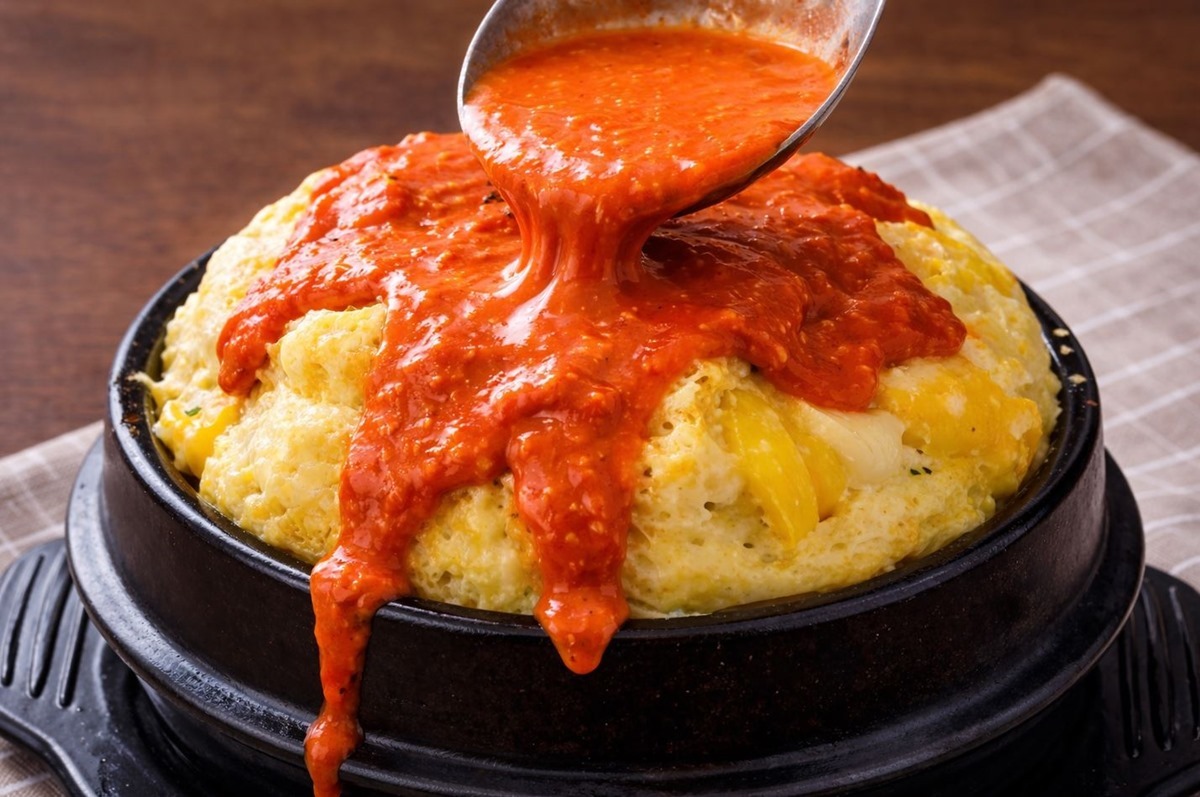
To finish, spoon the warm rose sauce evenly over the steamed egg while the surface is still warm so the sauce seeps in naturally. Add a grind of black pepper or a sprinkle of parsley flakes for extra aroma and color, if you like.
Serve the mozzarella-studded steamed egg hot so the cheese is stretchy and melds with the rose sauce. Each bite offers a pleasing progression: the egg’s mildness, the cheese’s savory lift, the tomato’s gentle acidity, and the cream’s soft richness.
This version layers flavors more than a typical steamed egg while keeping the ingredient list simple — an easy way to enjoy something a little different at home. It’s perfect for family dinners or as an elegant, no-fuss appetizer. Paired with warm rice, the soft sauce and custardy egg make a comforting, complete meal.











Most Commented