
Translation result
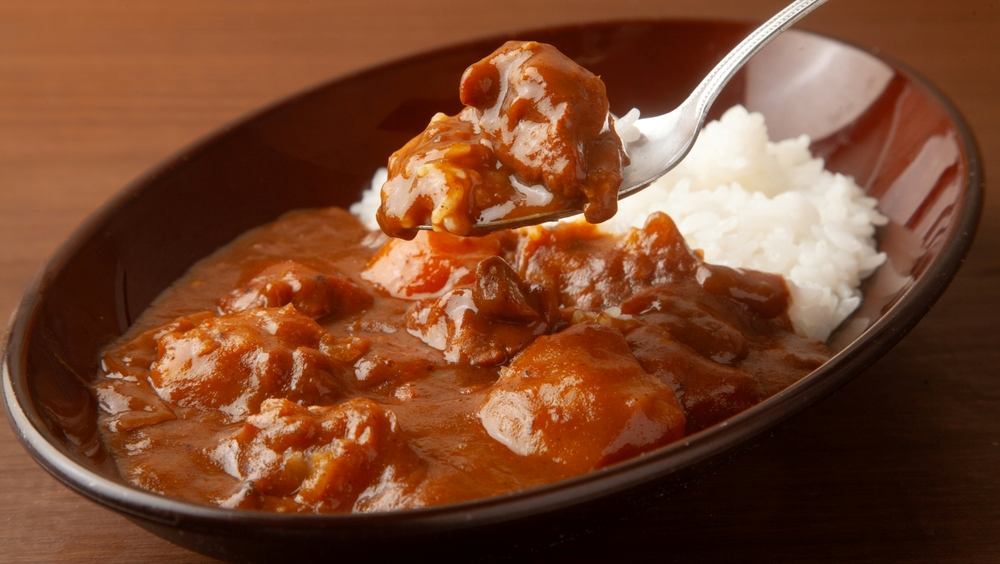
On Korean tables, curry has graduated from humble home cooking to a realm of refined culinary style. Among the many toppings people love, the buzziest trend right now is hands down the roasted egg.
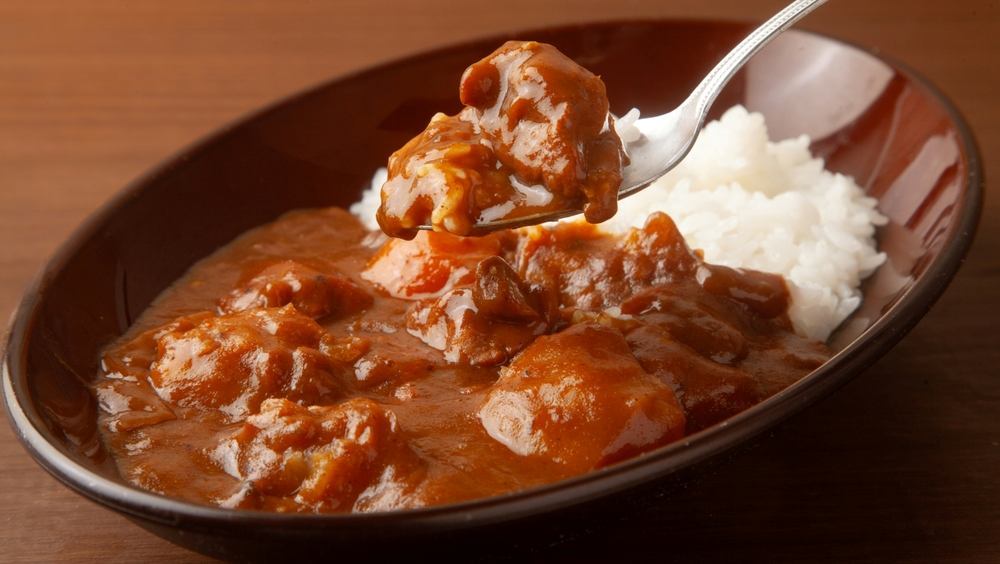
A simple boiled egg gives you gentle creaminess. But an egg roasted at high heat for a long time brings a springy chew and a toasty, nutty aroma that instantly elevates a bowl of curry. It’s a perfect fit for people in their 20s and 30s who want both texture and nutrition. No wonder roasted egg curry is now a mainstream pick—from convenience stores to specialty spots.
When roasted eggs meet curry… a duet of texture and nutrition
Curcumin, the active compound in turmeric (the backbone of curry), is anti-inflammatory and antioxidant—but it doesn’t absorb easily on its own. Enter the egg. The fats in the yolk help the body absorb fat-soluble curcumin. Add the dense protein of a roasted egg, and a carb-forward curry suddenly becomes a more balanced, restorative meal.
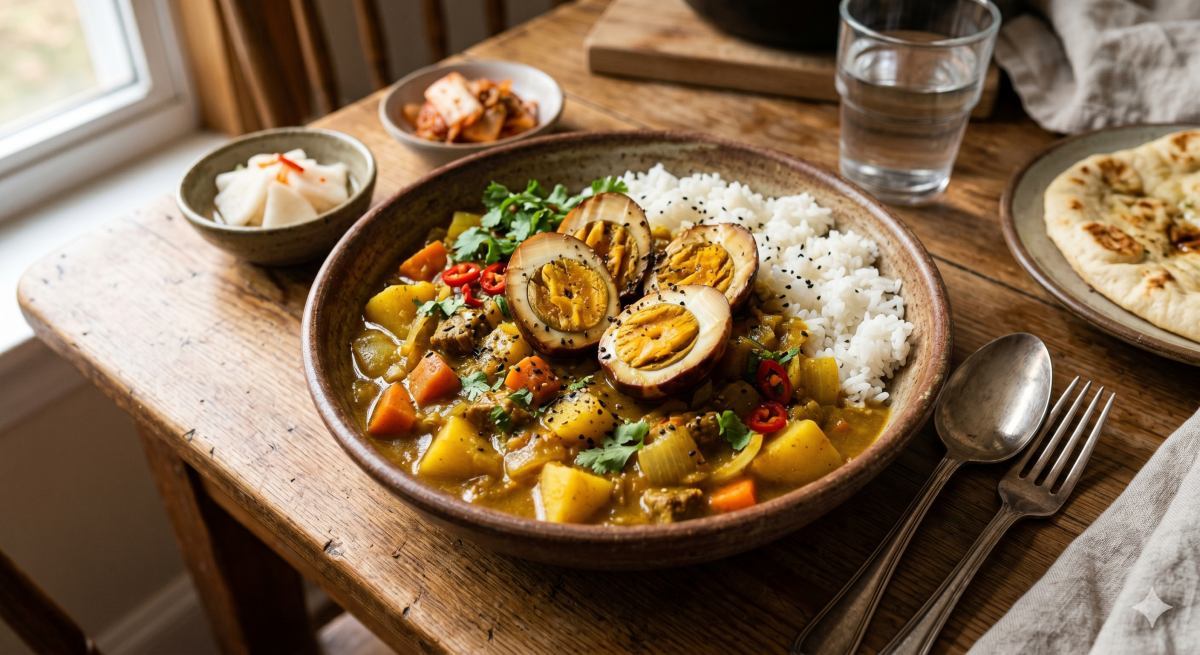
Why choose roasted over boiled? It’s chemistry. Roasting triggers the Maillard reaction—proteins and sugars browning—which creates deep umami flavors. Those toasted notes play beautifully with curry’s layered spices, making the whole dish more dimensional. As moisture evaporates, the white firms into a pleasantly bouncy texture that gives a fun contrast to silky curry sauce.
[Recipe] Flavor explosion: Caramelized roasted egg curry
If you want restaurant-level roasted egg curry at home, prep is everything. Don’t just toss eggs into the pot—infuse the sauce with the egg’s aroma for depth.
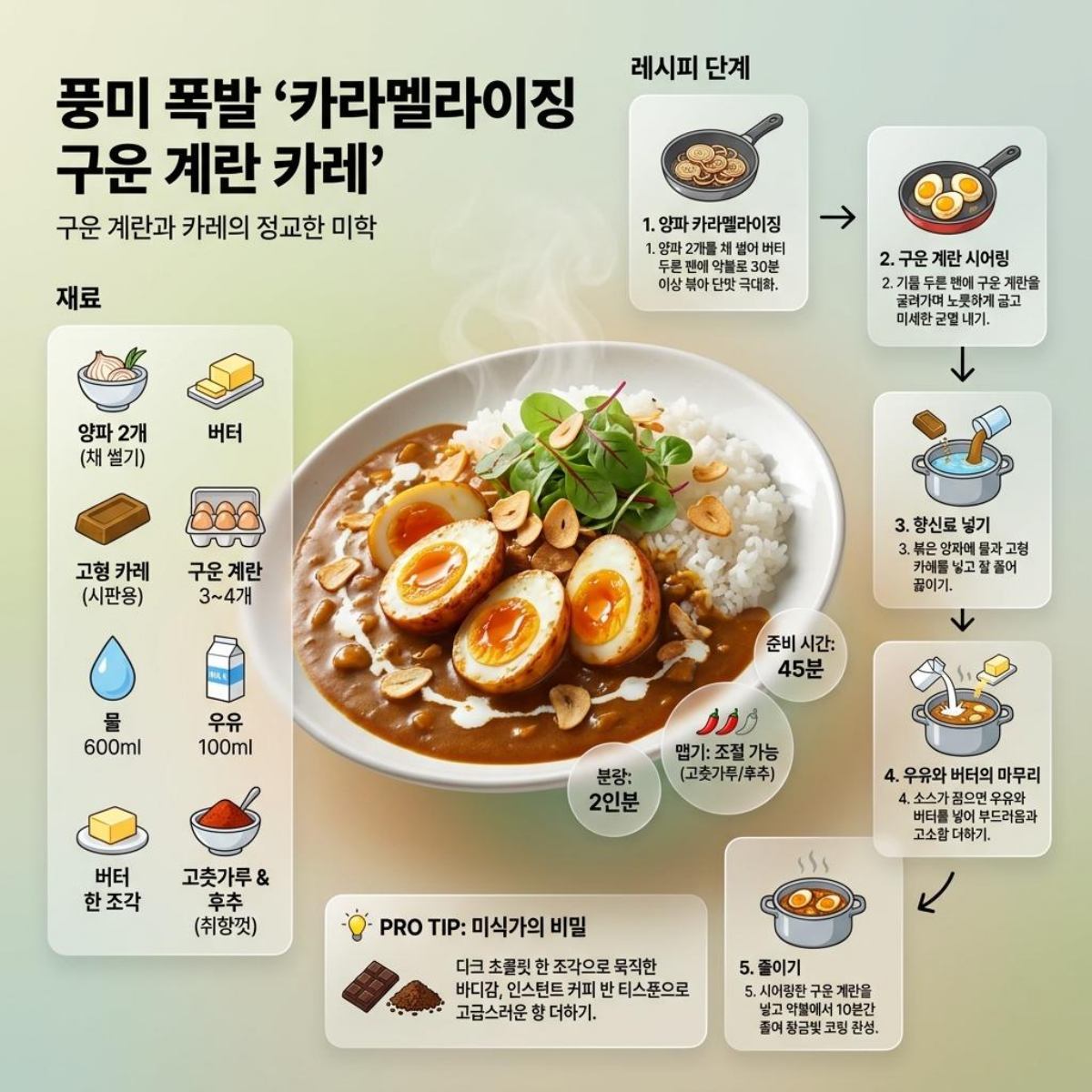
1. Caramelize the onions: Thinly slice 2 onions. Sauté them in butter over low heat for at least 30 minutes. Be patient—cook until they’re a deep brown and their sweetness blooms.
2. Sear the roasted eggs: Before you make the sauce, heat a little oil in a pan and roll 3–4 roasted eggs whole, browning the surfaces. Even if the eggs are already roasted, a quick sear creates tiny cracks so the curry sauce can soak in.
3. Add the spices: Pour 600 ml (about 2 1/2 cups) of water over the caramelized onions and add store-bought curry blocks. If you’re using curry powder, dissolve it in warm water first to avoid lumps.
4. Finish with milk and butter: When the sauce comes to a boil, lower the heat and stir in 100 ml (about 3.4 fl oz / 0.4 cups) of milk and a pat of butter. The dairy calms the heat and complements the roasted egg’s savory richness.
5. Reduce and simmer: Add the seared roasted eggs and simmer on low for another 10 minutes. It’s done when the sauce thickens and the eggs pick up a golden glaze.
Pro tips chefs swear by: Drop in a square of dark chocolate (70% cocoa or higher) right before finishing. The slight bitterness deepens umami and gives the curry a velvety body. Stirring in about 1/2 teaspoon of instant coffee granules can also mellow and refine the spice profile, creating a more sophisticated aroma.
If you want more heat, skip fresh cheongyang chiles and sprinkle chili powder and black pepper at the end—this preserves the roasted egg’s delicate flavor. Finish with fresh baby greens or garlic flakes for color and a crisp bite.











Most Commented