
Bangpung vs. Minari: Which Spring Herb Reigns Supreme? A Deep Dive into EBS1’s Latest Episode
Daniel Kim Views
Translation result
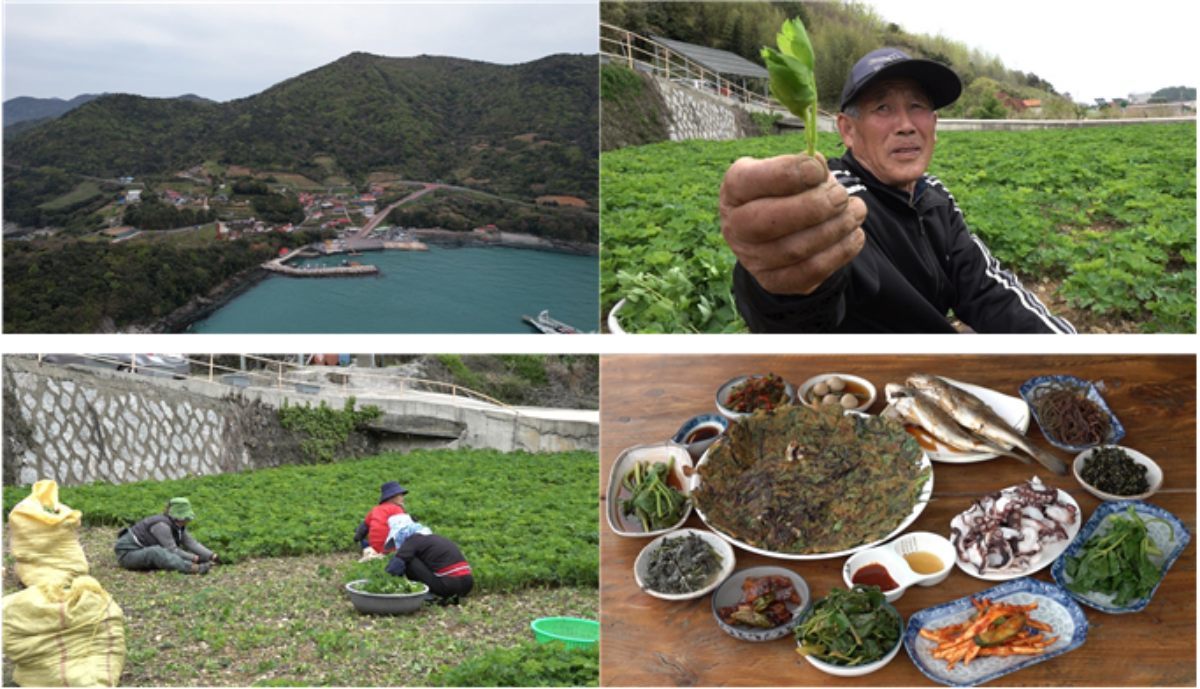
Episode 907 of EBS1’s ‘Extreme Jobs,’ airing May 2, shines a light on the spring harvest of seasonal wild greens.
With warmer days and fresh growth everywhere, spring brings a parade of seasonal greens to dinner tables. This episode spotlights bangpung greens—celebrated for their fragrant scent, crisp bite, and traditional medicinal uses—alongside minari, a classic spring favorite.
The cameras follow harvesters who start at dawn. At a minari farm in Daegu, the pace is non-stop: harvesting, trimming, washing, and processing keep everyone busy. The episode also captures crews harvesting bangpung on Geumodo, where the plants toughen up under strong sea winds.
The show shares intimate stories of the people sweating to deliver the taste of spring to tables across the country.
EBS1’s ‘Extreme Jobs’ documents people who keep working under tough conditions. The series focuses on professions that demand overnight shifts, frequent overtime, or flipped schedules, and it also looks at jobs that require long stretches of intense focus. By following workers who face heavy physical demands or safety risks, the program brings their realities, responsibilities, and passion vividly into view.
Spring from Geumodo Delivered Nationwide: Bangpung Greens
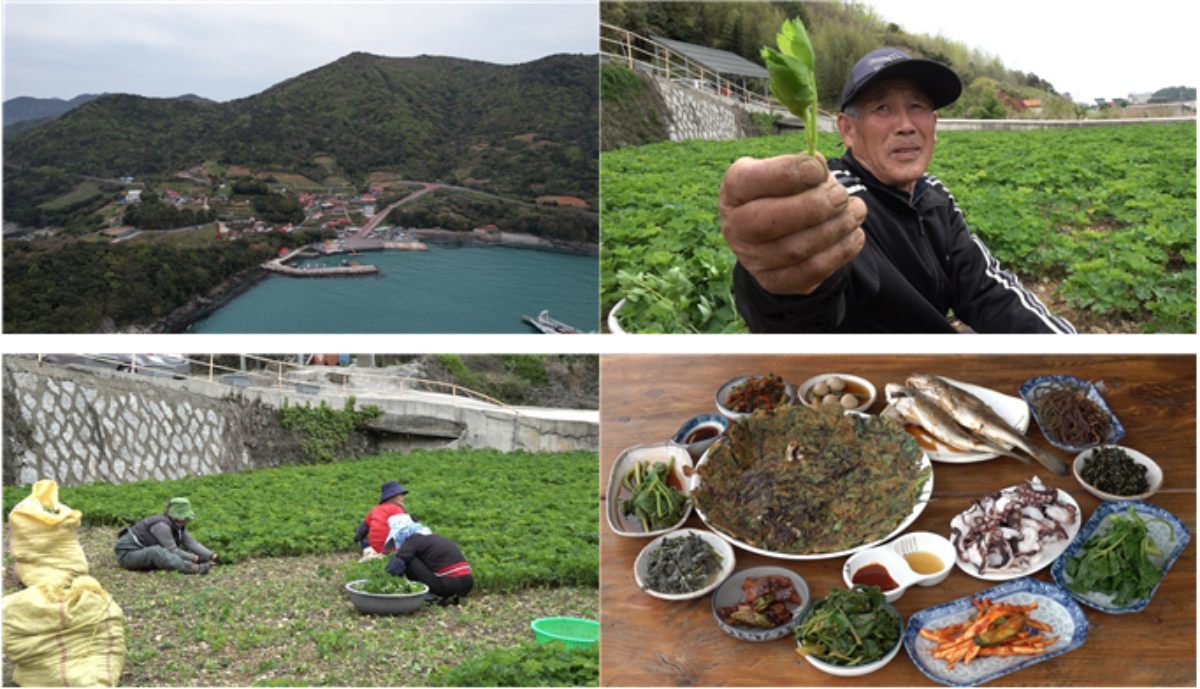
Spring specialties from Yeosu that make meals feel richer are heading to tables nationwide. Bangpung—one of Yeosu’s signature specialties alongside Dolsan mustard greens and Geomundo sea-breeze mugwort—is mainly grown on Geumodo, an island about a 25-minute boat ride from Shingi Port on Dolsan, Yeosu. When the island turns green in spring, production kicks into high gear.
Geumodo’s bangpung stands out because it grows against fierce sea winds on rocky, fast-draining soil. Those harsh conditions intensify the plant’s aroma and flavor. Most of the harvesters are over 70, and they endure aching legs and long hours of squatting to keep the tradition alive. For generations, this work has paid for children’s school fees and supported family livelihoods. The greens they harvest by hand are transformed into a variety of products—from dishes seasoned with maesil syrup and ssamjang to sweet-and-sour soy-and-vinegar pickles and seafood-studded bangpung pancakes—and shipped to markets across the country.
From Harvest to Processing: A Multi-Generation Minari Farm’s Day
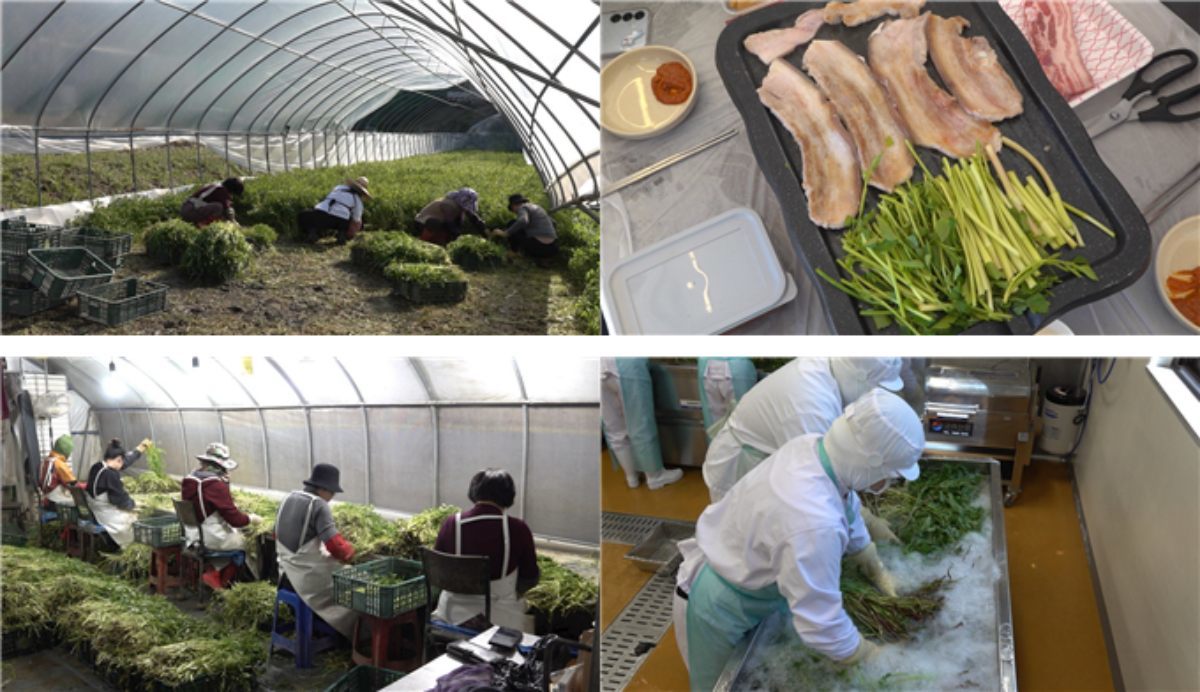
This segment moves to a minari farm in Daegu run by a multigenerational family—parents and their daughter tending the same fields. Minari’s bright scent and crunchy bite scream spring, and it’s famously delicious with savory pork belly. To meet demand, the farm harvests about 250 kg (about 551 lb) a day. That means starting work before dawn and using skillful sickle work—cutting close to the ground—to harvest market-ready stalks. The constant squatting and bent posture bring frequent back pain, but the team keeps going.
Once harvested, the greens move straight to the processing area for trimming and washing. Nearly half of the harvest can be discarded at this stage; the trimmings are returned to nearby fields as compost. Some minari heads to processing centers and is reborn as powders, juices, or teas, sold as new products. From harvest to processing, the nonstop work shows farmers’ fierce dedication to capturing spring flavors. Watching how much care goes into bringing these greens to the table makes you rethink how we value food.
Spring Appetite Awakeners: Flavor Differences Between Bangpung Greens and Minari
Come spring, seasonal greens take center stage on Korean tables. Although bangpung greens and minari belong to the same family, they deliver distinctly different flavors and aromas. Both use young leaves and stems, but differences in growing conditions and plant structure create unique textures and tastes.
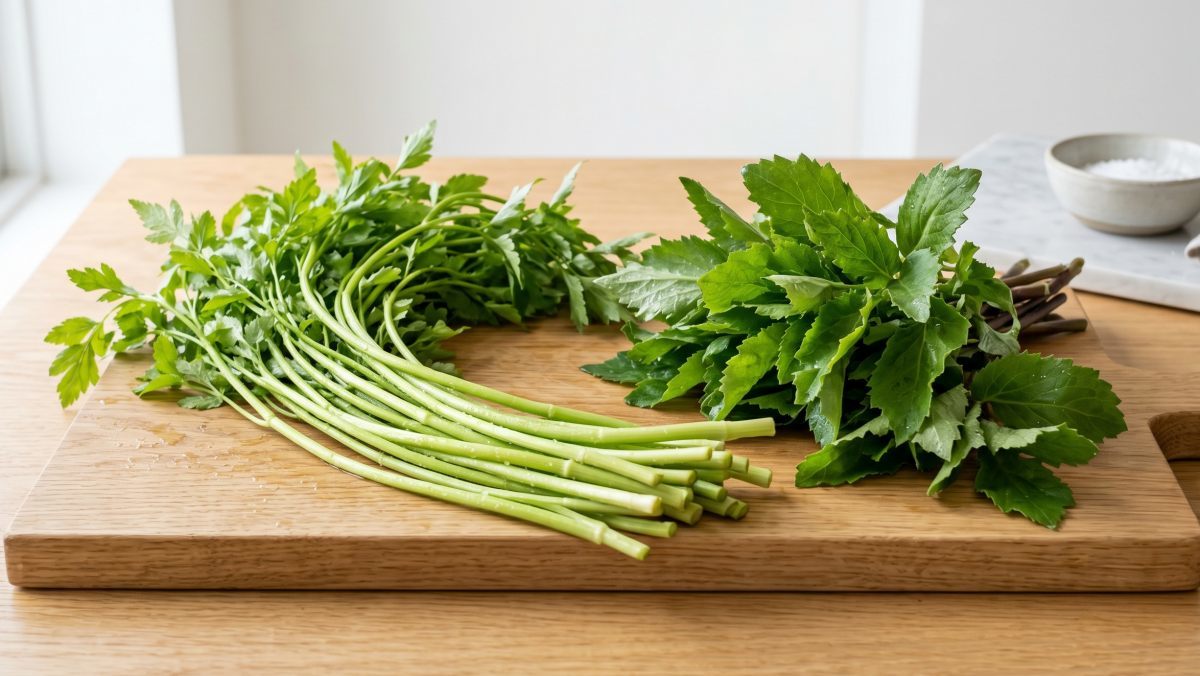
Minari thrives in wet places and along streams, and its stems hold a lot of moisture. That gives it a tender, juicy texture and a pronounced grassy aroma with a hint of bitterness. Its scent survives heat well, so minari makes a strong impression in soups and stews. It’s versatile—used in broths, pancakes, salads, and more—and its stems keep some firmness even after blanching.
Bangpung, by contrast, grows along coasts or in drier soils and has firmer tissue with a crisper bite. Eaten young, its shoots provide a more distinct chew than minari. The flavor is generally milder and cleaner, not as boldly aromatic; instead, it offers a subtle grassy note and a gentle umami finish.
Cooking highlights these contrasts. Minari’s moisture and strong aroma deepen brothy dishes, while blanching and dressing bangpung accentuate its texture and preserve its clean flavor. You can feel the difference in every bite: minari’s stems are tender and can break apart easily, whereas bangpung has more fibrous resistance that changes as you chew. Swap one for the other and the same recipe takes on a different texture.
Both are quintessential spring harvests, yet their flavor profiles are clear: minari emphasizes aroma and juiciness, while bangpung focuses on clean flavor and texture—differences rooted in where and how they grow.
‘Extreme Jobs’: A Day Inside Intense Workplaces
EBS1’s ‘Extreme Jobs’ visits grueling workplaces to document the daily lives of the people who labor there. The documentary focuses on physically demanding, high-pressure jobs and shows the environments and steps workers take to complete their tasks.
The program covers sites that require overnight shifts, workplaces with safety risks, and industries where labor intensity changes with weather and season. It follows fisheries, farms, manufacturing, and service sectors, detailing each job’s routines and methods.
By portraying workers who must sustain long periods of focus or who need exceptional physical endurance, the series gives insight into the realities of these jobs. Viewers get a rare look at labor conditions they might never see and can rethink the meaning and value of work.
‘Extreme Jobs’ airs Saturdays on EBS1. Each episode realistically presents the actual work processes and conditions of a specific profession or industry.
EBS1’s ‘Extreme Jobs’ broadcasts every Saturday at 9 p.m. For broadcast information, check the EBS1 ‘Extreme Jobs Preview’ page.










Most Commented