
Discover the Culinary Masterpieces of Iberia: Small Differences That Make a Big Impact
Daniel Kim Views
Translation result
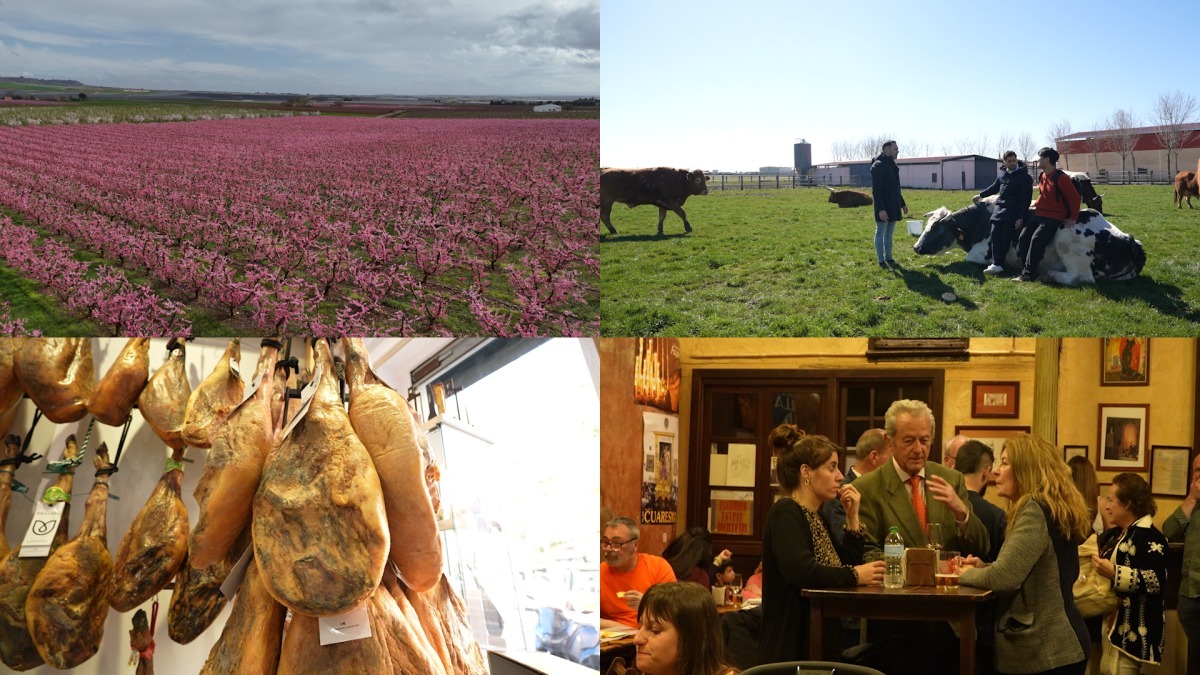
Even on rugged land, flavor depends on the tiniest details. The final episode of EBS1’s four-part series Reading Spain and Portugal Through Taste follows the careful touches Iberians have perfected over generations. From snails pulled from rain-soaked orchards to long-raised steers and a single, pristine slice of jamón, the episode reveals how small choices turn food into masterpieces.
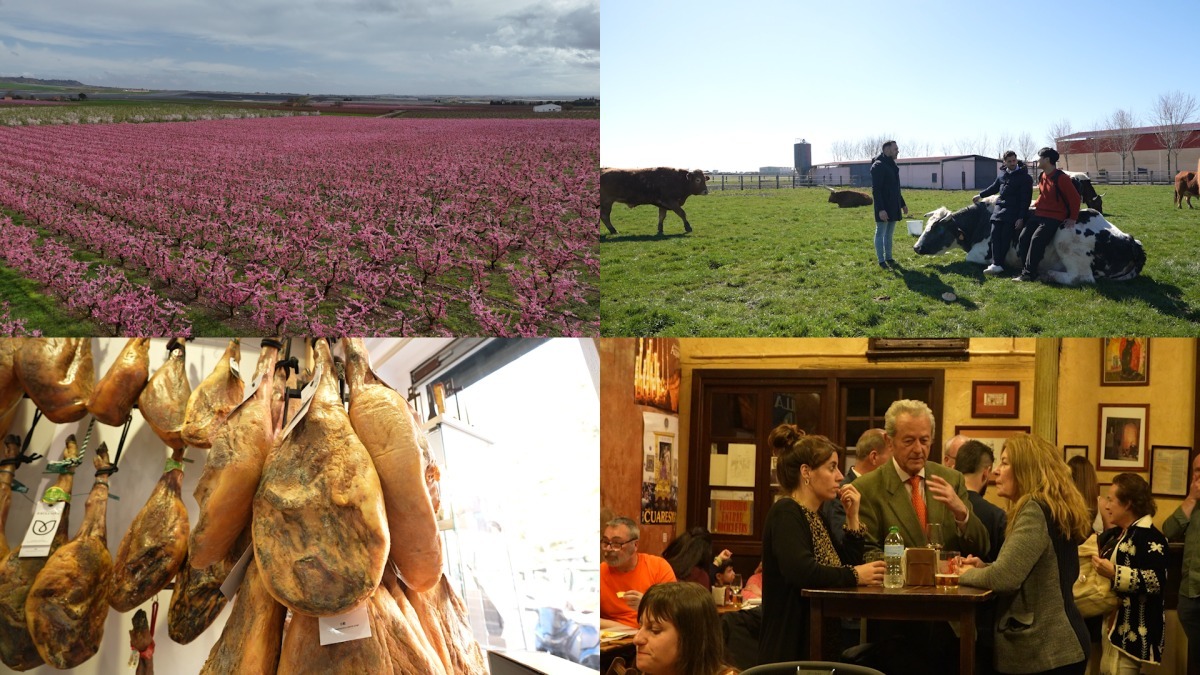
The fourth episode, “Masterpieces Made by Small Differences,” which airs on the 30th, begins in Lleida, Spain. Known as a mecca for stone fruit, the region turns pink with peach blossoms each spring. Jordi and his family run a 200-year-old orchard and don’t get a moment’s rest—even in the rain—because they must thin the blossoms. Farming may look paused when the rain falls, but the days become busier. Kids head out hunting for snails. For generations, farmers have treated snails as a natural, protein-rich gift. They grill them over coals with just salt. Simple as it sounds, flavor shifts with heat, grilling time, and the cook’s touch. That’s why you can’t tell Lleida’s story without its snails.
In Segovia, tiny differences yield huge results. A pair of brothers on a local ranch raise steers and buey that can reach about 1,000 kg (2,205 lb). Their secret is almost shockingly simple: let the animals eat when they want, sleep when they want, and play when they want. While most cattle are slaughtered between 12 and 24 months, these ranchers will raise them for up to eight years. Cattle raised in a relaxed environment develop unusual size and quality; the ranch even once raised a legendary animal topping 2,000 kg (4,409 lb). It’s a clear lesson that great meat starts with how you raise it.
The episode closes with Spain’s signature food culture: jamón. The Iberian tradition of curing pork stretches back before the Common Era and became widespread in the Middle Ages. Still, long production times and high costs mean jamón remains a symbol of wealth and refinement. In Spain, offering a quality slice of jamón is a gesture of hospitality. How you carve it sets the mood at the table. Daniel, considered one of the country’s top carvers, visits farms and curing houses himself to inspect quality, and he practices until his knife nearly wears out. His craftsman’s devotion—to the slice’s thickness, the grain, and the blade’s angle—gives the Spanish table its polish.
This episode of World Theme Travel shifts the spotlight from flashy flavors to the meticulous attitudes that make those flavors possible. From snails plucked from orchards on rainy days to massive cattle raised in comfort, and jamón perfected by long aging and deft hands—Iberian food culture springs from people who refuse to squander nature’s gifts.
The fourth episode, “Masterpieces Made by Small Differences,” airs on the 30th at 8:40 PM.










Most Commented