
Discover the Unique Flavor of Wild Garlic: Why You Can Only Enjoy It for 10 Days This Spring
Daniel Kim Views
Translation result
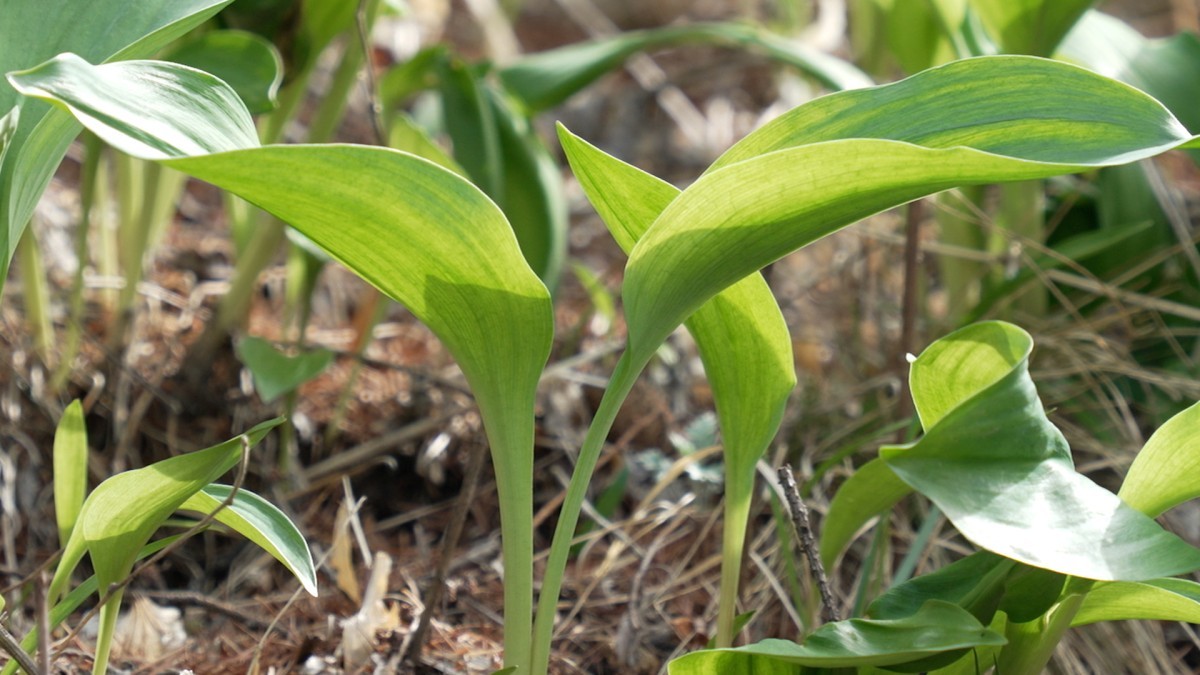
Wild garlic—often served as jangajji (a pickled side dish) alongside grilled meat—might look like a kitchen staple, but its fresh leaves are fleeting. Crunchy with a bright, garlicky bite, fresh wild garlic leaves are a spring seasonal green you really only get to enjoy for about ten days.
EBS1 ‘Korean Travel’ episode 3 of You Can’t Eat It Unless Now visits Yun Chang-hyo’s spring harvest on Deogyusan near Geochang, where he grows 600,000 wild garlic plants at an elevation of 700 m. The episode captures the spring energy packed into those crisp, pungent leaves that are available for just ten days.
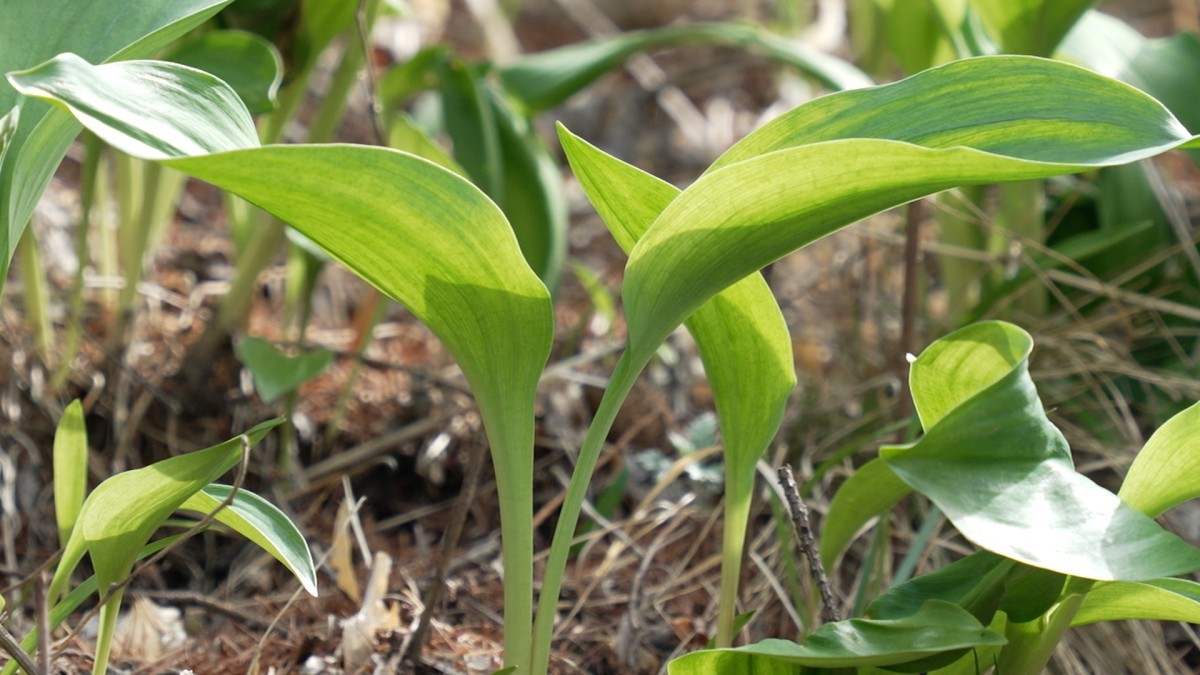
◈ EBS1 ‘Korean Travel’ — You Can’t Eat It Unless Now Part 3: Only Ten Days, Wild Garlic
Spring comes early around Deogyusan near Geochang, thanks to the high elevation. Wild garlic pushing up through the winter snow is one of the first signs of the season. Locally known as myeong-inamul because people once relied on it during lean years, wild garlic ended up completely changing Yun Chang-hyo’s life—he now cultivates 600,000 plants here.
Yun, a former IT worker, used to call himself a prickly city guy. After years of cutthroat competition and chronic stress left him drained, he retreated to the mountains. Seeing wild garlic stubbornly poke through harsh winter snow hit him like a revelation—he wept at nature’s resilience, and from that moment the plant became his lifelong companion crop.
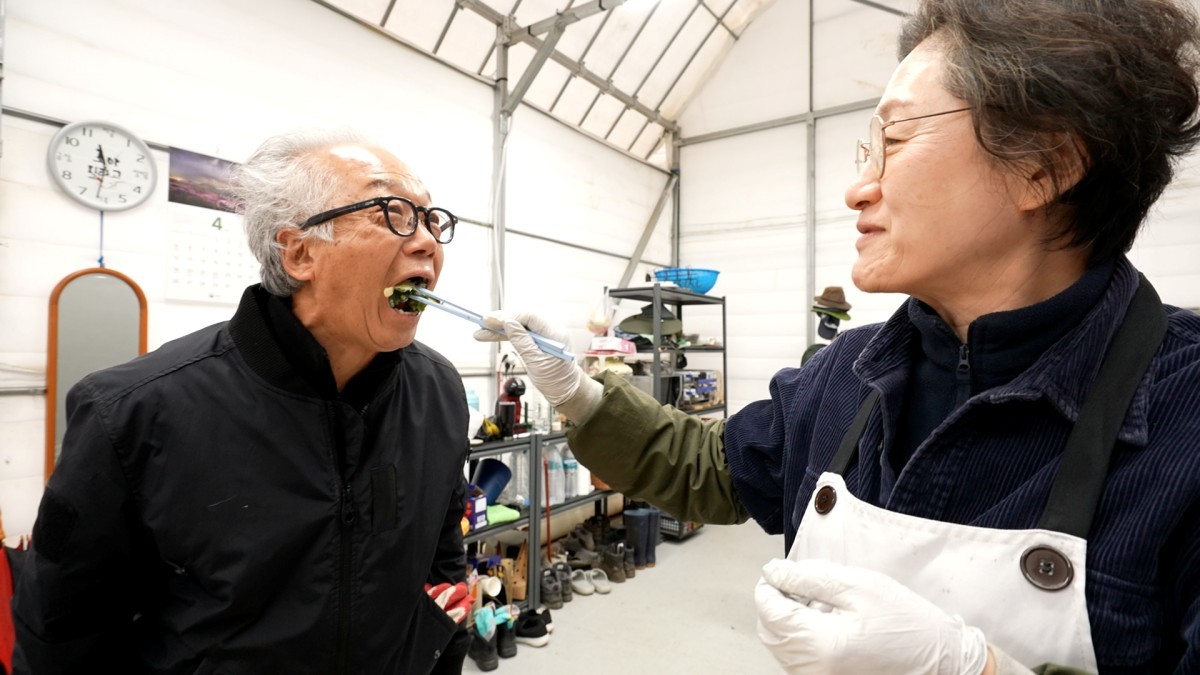
Now joking that he’s a lazy farmer, Yun’s wild garlic operation actually demands precise timing. Because the plant responds quickly to warmth, it shoots up fast as temperatures rise. That means farmers have at most ten days to harvest—miss that window and the leaves toughen and become inedible. You can preserve the leaves as jangajji to enjoy year-round, but that fresh, crunchy, pungent bite only lasts for about ten days.
As harvest time approaches, Yun’s whole family takes time off to help. With his sister-in-law and nephews pitching in, the work is backbreaking. Bending on steep slopes to pick leaf by leaf is grueling, but one bite of samgyeopsal (grilled pork belly) wrapped in wild garlic can erase a day’s fatigue in an instant. During those ten days, Yun and his family soak up the season—tasting, harvesting, and reveling in nature’s gift.
◈ Short spring harvest — learn more about wild garlic, a seasonal green prized for its aroma
Wild garlic is a perennial native to Korea, scientifically known as Allium microdictyon. Part of the Allium family (think chives and garlic), its most notable feature is a mild garlic-like aroma. In Korea it’s commonly found in forested areas of Gangwon and parts of Gyeongbuk and Gyeongnam, preferring shaded, higher-elevation woodland floors.
Also called myeong-inamul, the name is said to trace back to Ulleungdo and the times when communities foraged it during food shortages. While cultivation has spread across the country, wild garlic still often grows wild deep in mountain forests.
Wild garlic sends up new shoots early in spring, and its edible window is very short. The leaves are at their most tender and aromatic before the flower stalk appears—typically from April through early May. After that, the leaves quickly become fibrous and tough, which is why it’s celebrated as a true seasonal ingredient.
In Korea people mainly eat the leaves, usually fresh as a wrap vegetable. They’re commonly paired with pork or beef; the green’s sharp aroma cuts through fatty meat. When you chew a leaf, it releases a garlic-like scent that lingers gently rather than delivering an aggressive heat.
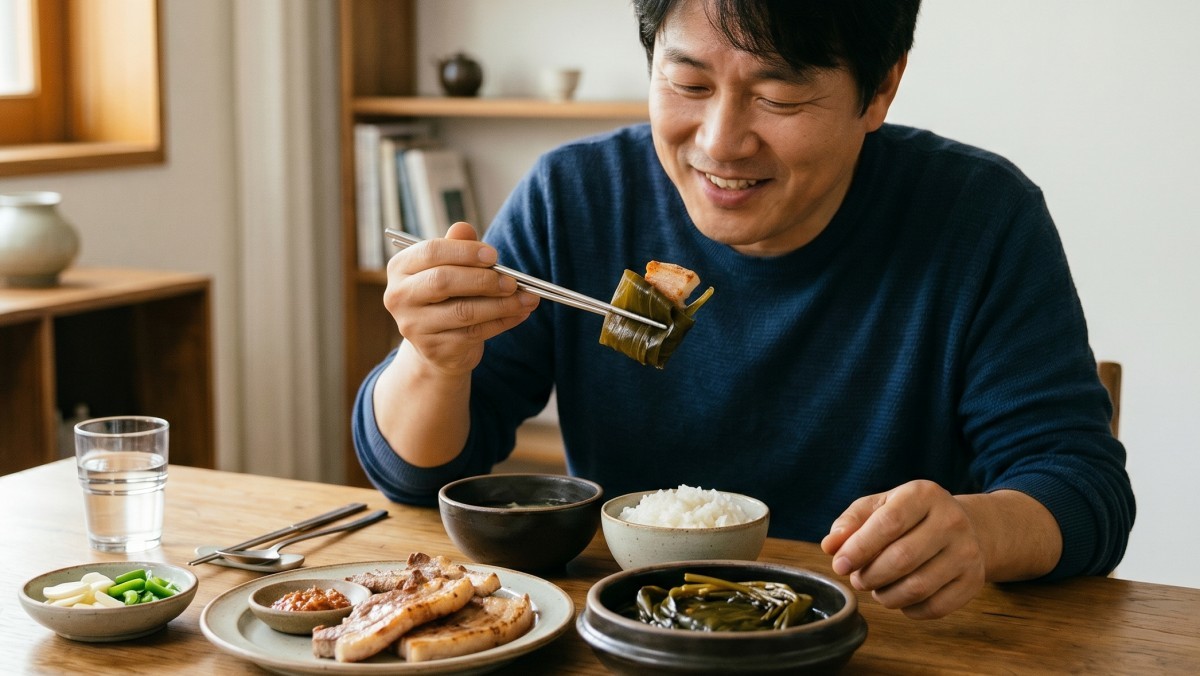
Pickling into jangajji is also popular. Marinating the leaves in soy sauce, vinegar, and sugar makes them shelf-stable so you can enjoy them year-round. Pickled wild garlic softens compared with the raw leaves and picks up salty and sweet notes, making it a tasty side dish. It’s also used in seasoned salads, pancakes, tempura, or simply blanched as namul (seasoned greens).
Wild garlic takes time to cultivate. From sowing seeds to harvesting marketable leaves can take several years, and the plant produces new leaves just once a year, which limits annual yields. Because of that, truly fresh wild garlic only circulates for a brief season.
Thanks to its short harvest window and distinctive aroma, wild garlic has become one of spring’s signature mountain greens. Since the fresh leaves are available for such a short time, they’re celebrated as a seasonal delicacy.
◈ ‘Korean Travel,’ EBS1’s long-running documentary that captures life and landscapes across the country
EBS1’s ‘Korean Travel’ first aired in August 2009 and has continued as one of EBS’s flagship documentary series. The show documents natural landscapes, local culture, and the everyday lives of people across the country.
The series builds stories around changing seasonal scenes and the lives woven through them. Each theme runs as a five-part series, with episodes of about 30 minutes each. The program quietly showcases regional ways of life and local sensibilities without flashy staging.
‘Korean Travel’ focuses on capturing the authentic atmosphere of a place rather than relying on high drama or theatrical reenactments. The production follows real locations and residents, supported by calm narration that gently tells stories of nature and community.
The show’s scope isn’t limited to traditional rural settings like mountain villages, fishing towns, and farming communities. It also highlights city alleys and everyday urban life, consistently introducing lesser-known regional cultures and residents’ stories.
‘Korean Travel’ now airs regularly on EBS 1TV, bringing new themes and regional stories from around the country each week.
The program airs Monday through Friday at 9:35 p.m. Visit the EBS1 ‘Korean Travel’ preview page for broadcast details.











Most Commented