
Translation result
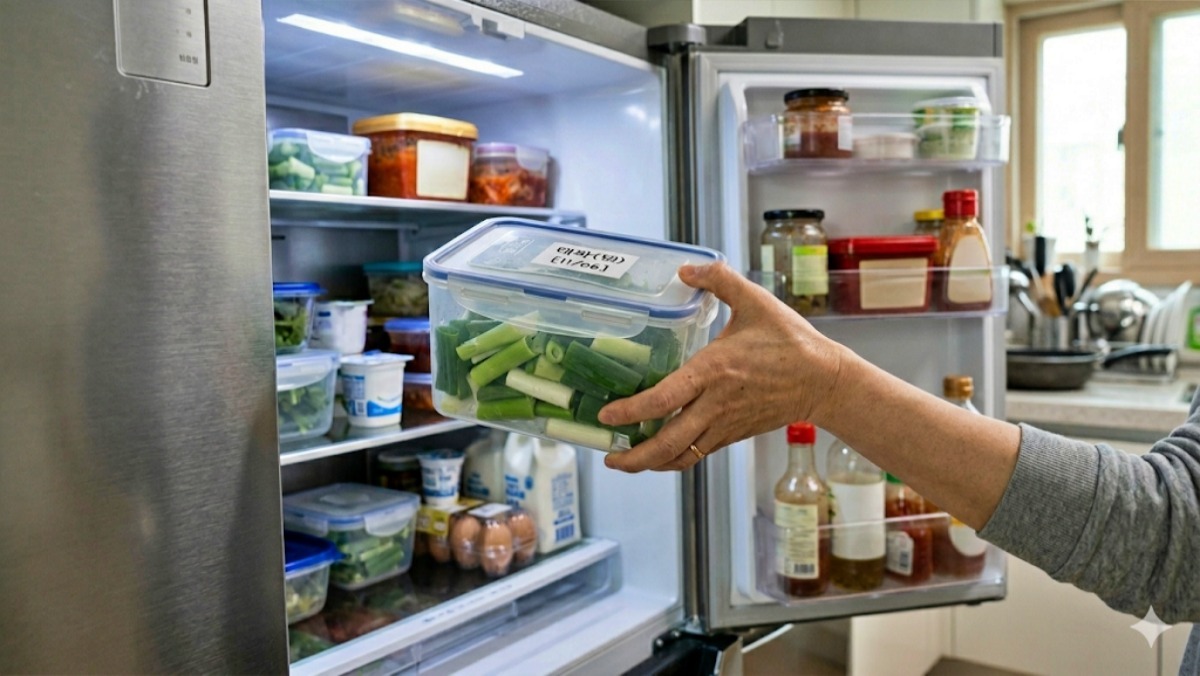
We’ve all felt that little pinch of regret after letting a bunch of scallions go limp halfway through the week. Freezing them often dries out the texture and mutes the flavor, so it’s worth learning how to store them to keep them tasting fresh. Below are practical, easy tips to help your scallions stay crisp and fragrant so you can use them on the regular.
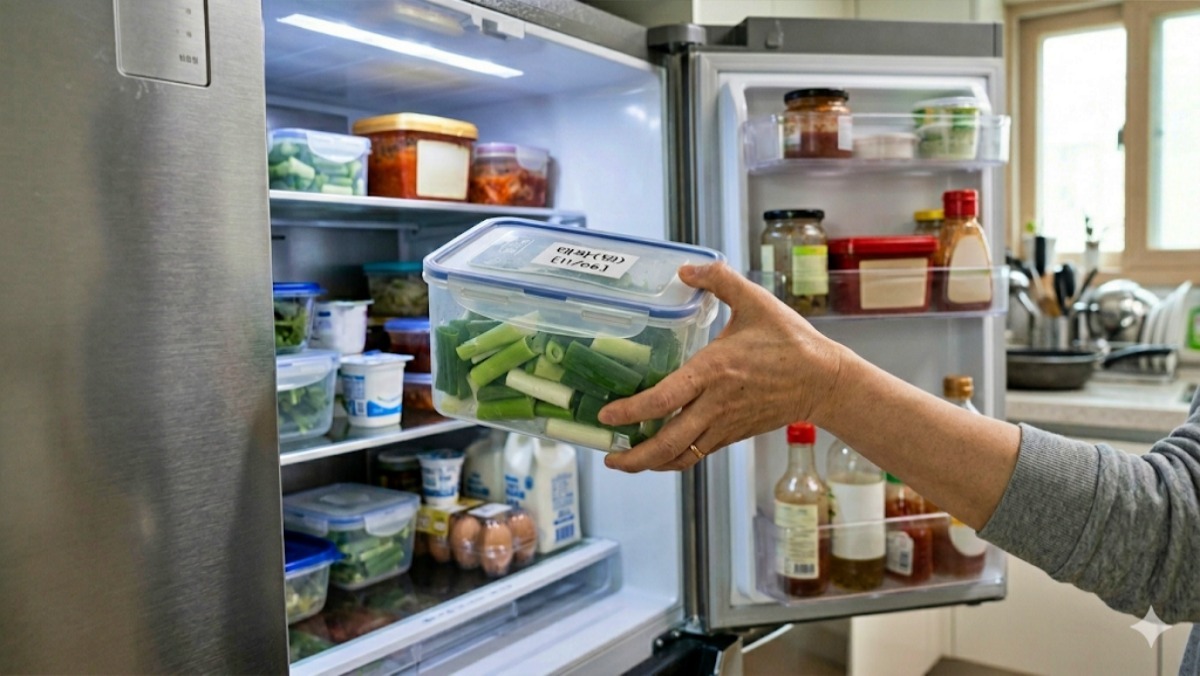
Moisture control and how you store them make all the difference
Start by checking scallions the moment you buy them. Look for firm roots, solid white stalks, and green tops that aren’t overly dried at the tips. If the stalks feel soft or the leaves are badly damaged, they’ll have a shorter shelf life from the start. The trick after that is simple: control moisture and keep the scallions in a posture similar to how they grew.
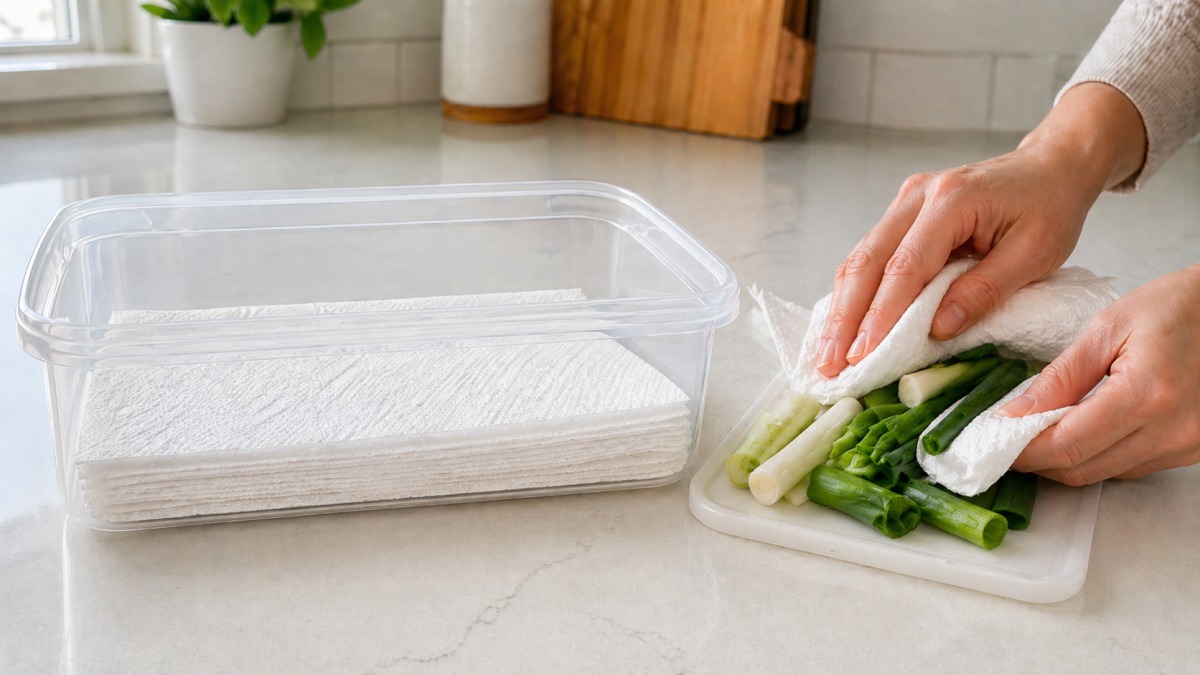
At home, many people wash scallions, chop them, and toss them in the fridge. If you want them to last longer, though, keep moisture to a minimum at the outset. Gently brush off dirt and peel away only one shabby outer layer. If they’re very dirty and need washing, be sure to remove as much surface water as possible afterwards. Pat them thoroughly with a paper towel or let them sit briefly in a well-ventilated spot so surface moisture evaporates. Any leftover water can condense in the fridge, so don’t skip this step.
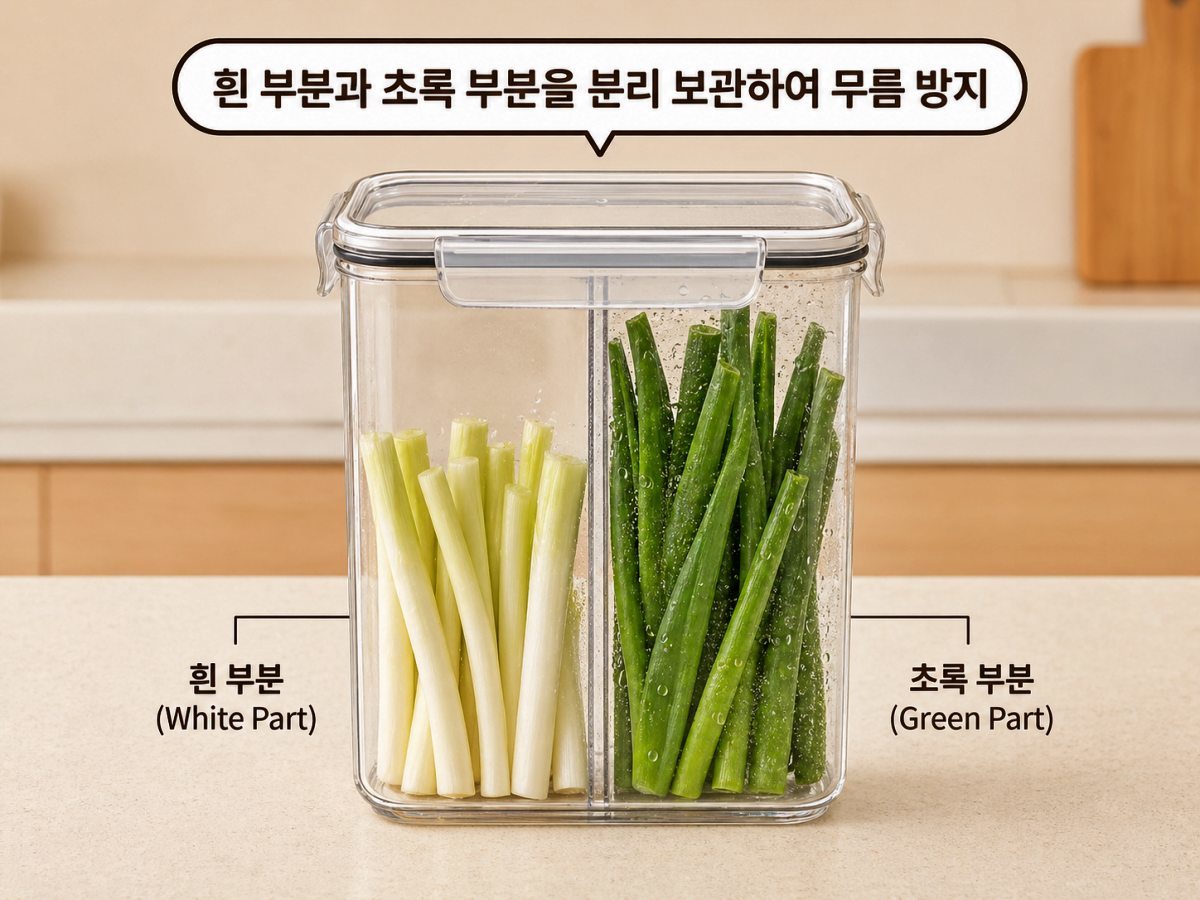
Cut scallions to match the height of your airtight container, and keep the white stalks separate from the green tops. Since the two parts hold different amounts of moisture, storing them together can cause the leafy tops to soften first and speed up spoilage. Line the bottom of the container with three to four layers of paper towel to absorb internal moisture—the towels will catch the tiny amounts the scallions release and prevent excess humidity. Check the inside walls for condensation from time to time so you can spot changes early.
Store scallions upright rather than laying them flat. Plants stay biologically active for a while after harvest, so keeping them oriented as they grew helps maintain freshness. Laying them down can stress stalks and leaves and speed deterioration. Stand them in the container with the root end down so they hold their shape, and don’t pack them so tightly that stalks press hard against one another.
Pick the right container. A deep one keeps stalks from bending, and avoid containers that are much larger than the scallion volume—too much empty space increases air exposure and reduces efficiency. Store the container in the fridge’s crisper drawer or deeper inside the refrigerator where temperatures are more stable; avoid the door, which experiences frequent temperature swings and shortens shelf life.
Check your scallions after storing them. Open the container about once a week and see whether the paper towel is damp—replace it if it’s holding a lot of moisture. This small habit can noticeably extend their life and helps avoid the flavor loss and tough texture that freezing can cause. If just the leaf tips dry out or a small spot softens, trim away the damaged part and save the rest. If you haven’t cut the roots, wrapping the root end in a slightly damp paper towel can add moisture for short-term storage.
What are the benefits of scallions?
Scallions bring aroma and flavor to dishes and come loaded with nutrients. The white stalks contain allicin, a sulfur compound that gives scallions their sharp taste and aroma and may support circulation and immune function. That’s one reason people reach for scallions during seasonal temperature swings and add generous amounts to soups and stews.
The green tops are rich in vitamins A, C and K and contain beta-carotene, a compound with antioxidant properties. They also provide dietary fiber to support digestion and balance meals. Many cooks toss the green tops, but nutritionally they’re worth using in broths, stir-fries, and salads—saving food and boosting nutrition at once.
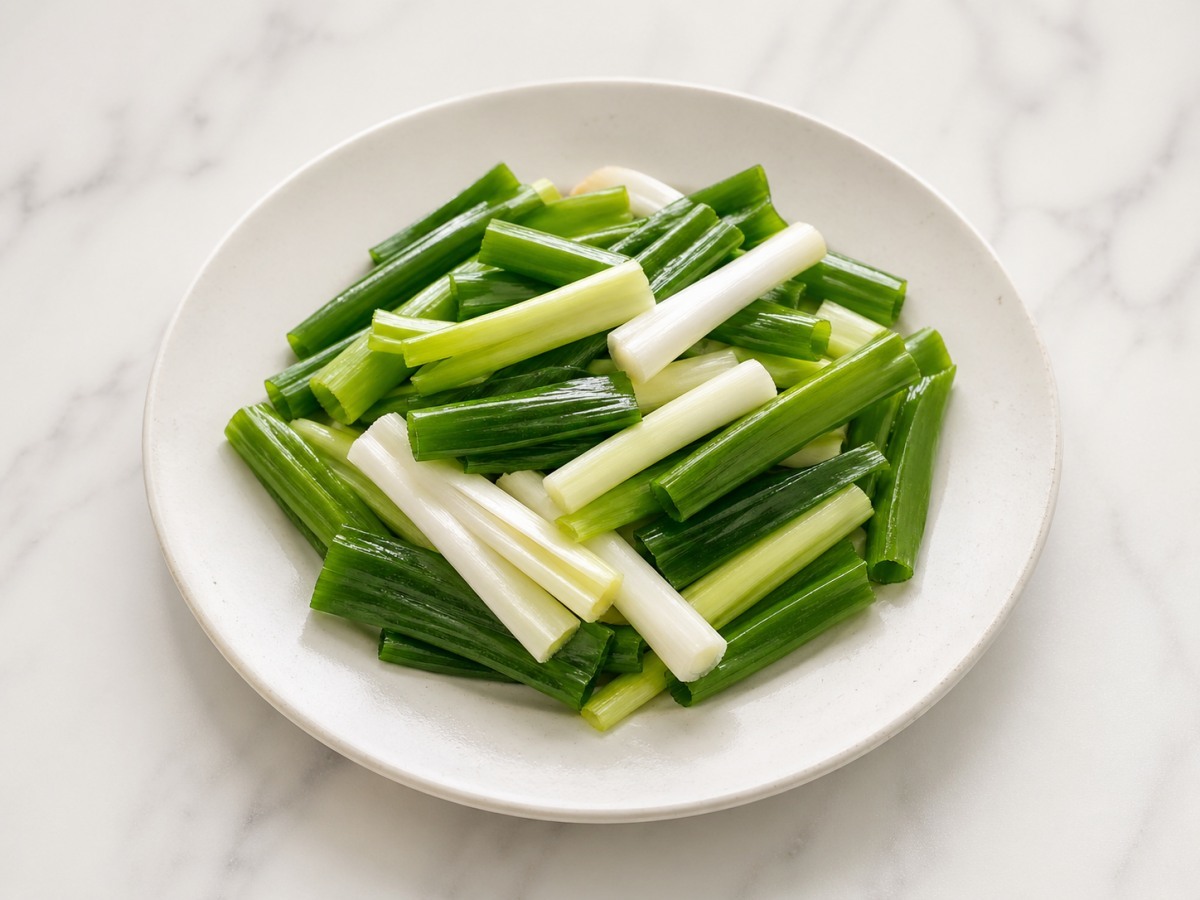
Scallions also contain quercetin, concentrated in outer plant parts and often linked to antioxidant benefits. They supply calcium and phosphorus, which can be helpful for growing kids and anyone focused on bone health. Scallions aren’t typically eaten in huge amounts at once, but because they show up in many dishes, you often consume them regularly.
Raw and cooked scallions offer different perks. Allicin is heat-sensitive, so you get more of it when you eat scallions raw; cooking tames the bite and brings out sweetness. Texture and flavor shift with your cooking method—frying scallions in oil to make flavored oil can help your body absorb fat-soluble vitamins. In short, storage and cooking choices change how scallions shine on the plate: raw for bright aroma, cooked for mellow sweetness and softness.
Allicin also helps with vitamin B1 absorption, which explains why scallions and pork are often paired in recipes. Pork is rich in vitamin B1, and eating it with scallions can enhance nutrient use—handy for people seeking energy and recovery. That practical combo explains scallions’ steady presence in stir-fries, stews, and as a garnish for grilled dishes.
Even the roots can be used. They contain guaiacol and can flavor tea or stock—clean and dry them for later use to reduce waste and add depth. Because you can use the white stalks, green tops, and roots, scallions are one of the most versatile vegetables in the kitchen. With proper storage, a single bunch can last across several meals.
Try scallion kimchi with leftover scallions
If you’ve stored scallions well and have extra, make scallion kimchi. It’s simpler than napa cabbage kimchi, preserves the scallions’ crunch, and pairs beautifully with meats and ramen. The scallions’ bite also cuts through rich, oily dishes and refreshes the palate. It’s a great quick banchan when you want something flavorful that won’t sit for months.
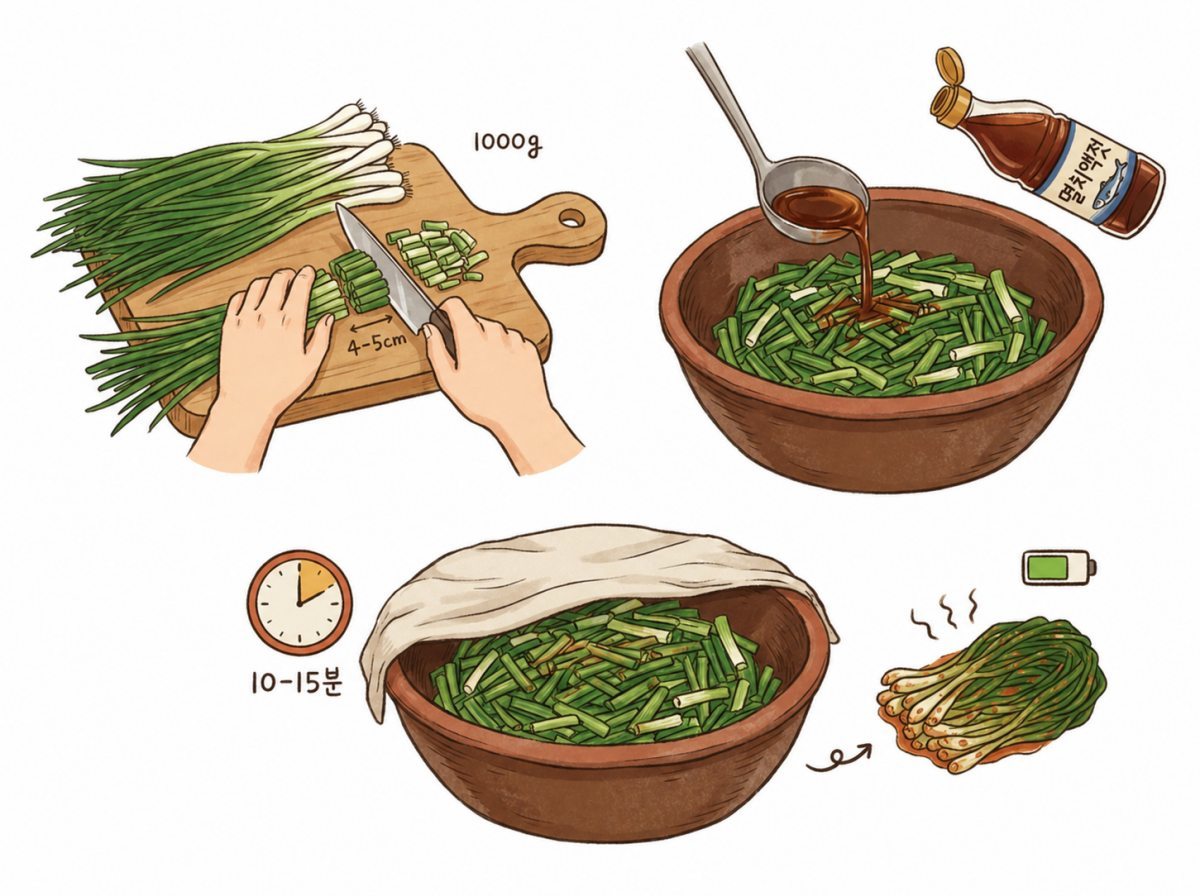
Choose scallions that aren’t too thick and are still tender. For two bunches—about 1,000 g (roughly 2.2 lb)—cut into 4–5 cm (1.6–2.0 in) lengths. If the white stalks are dense, halve them lengthwise so the seasoning seeps in. Put the prepared scallions in a large bowl, drizzle about 100 ml (3.4 fl oz) of anchovy sauce evenly over them, and let sit 10–15 minutes so the flavor penetrates. This softens the scallions slightly and makes mixing easier.
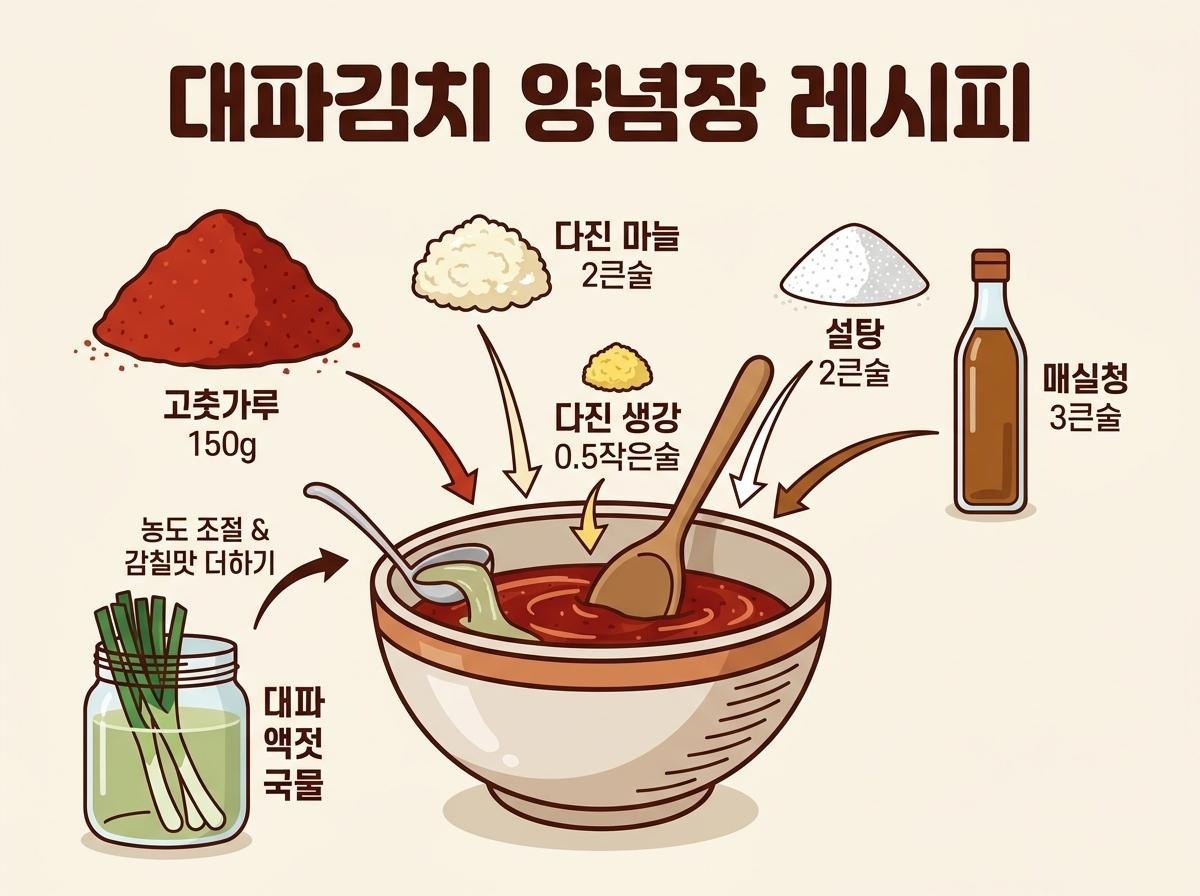
For the seasoning, mix 150 g (about 5.3 oz) of gochugaru, 2 tablespoons minced garlic, 1/2 teaspoon minced ginger, 2 tablespoons sugar, and 3 tablespoons plum syrup. Add the liquid released from the scallions after the anchovy sauce step to adjust the consistency and boost umami. Gently mix the seasoning by hand—don’t knead too hard, or the scallions will release too much juice and the mixture can become overly thick and dull the flavor. Finish with a sprinkle of sesame seeds. Adjust the amount of gochugaru or plum syrup to taste; the method remains the same.
Eat the scallion kimchi right away, or leave it at room temperature for a day and then refrigerate to deepen the flavor. The white stalks will sweeten as they ferment, and the green tops will soak up more seasoning. It’s a handy way to use up leftover scallions or add a different banchan to the table. If you don’t want a large batch, halve the recipe for a smaller portion.
Ingredient care lifts the whole meal
A bunch of scallions commonly costs 3,000–5,000 KRW (about $2.25–$3.75). Letting half go to waste because of poor storage adds up. Learning and practicing good storage isn’t just about saving money—it’s about getting the most flavor and nutrition from your ingredients. The more you use something, the more noticeable the difference becomes.
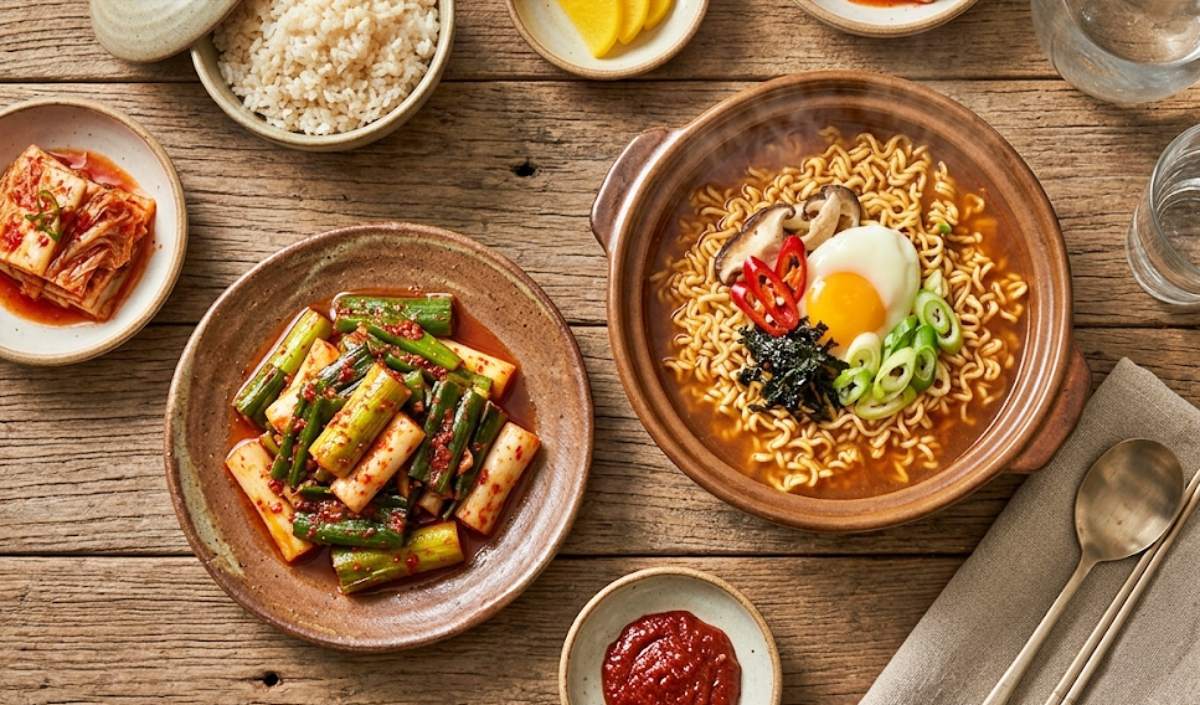
Storing scallions isn’t hard. Follow two simple rules—stand them upright and control moisture—and they’ll stay fresh in the fridge much longer. It’s far more efficient to trim and store them right away than to rediscover a wilted bunch in the back of the fridge. Well-kept scallions broaden your options—soups, stews, stir-fries, salads, and side dishes like scallion kimchi all benefit. Adopting one reliable habit for a frequently used ingredient makes kitchen life noticeably easier.
When mindful storage meets thoughtful cooking, your kitchen runs smoother. Scallions respond dramatically to small changes in care—pay a little attention to the steps you’d usually skip, and you’ll keep a bunch fresh across many meals.











Most Commented