
Translation result
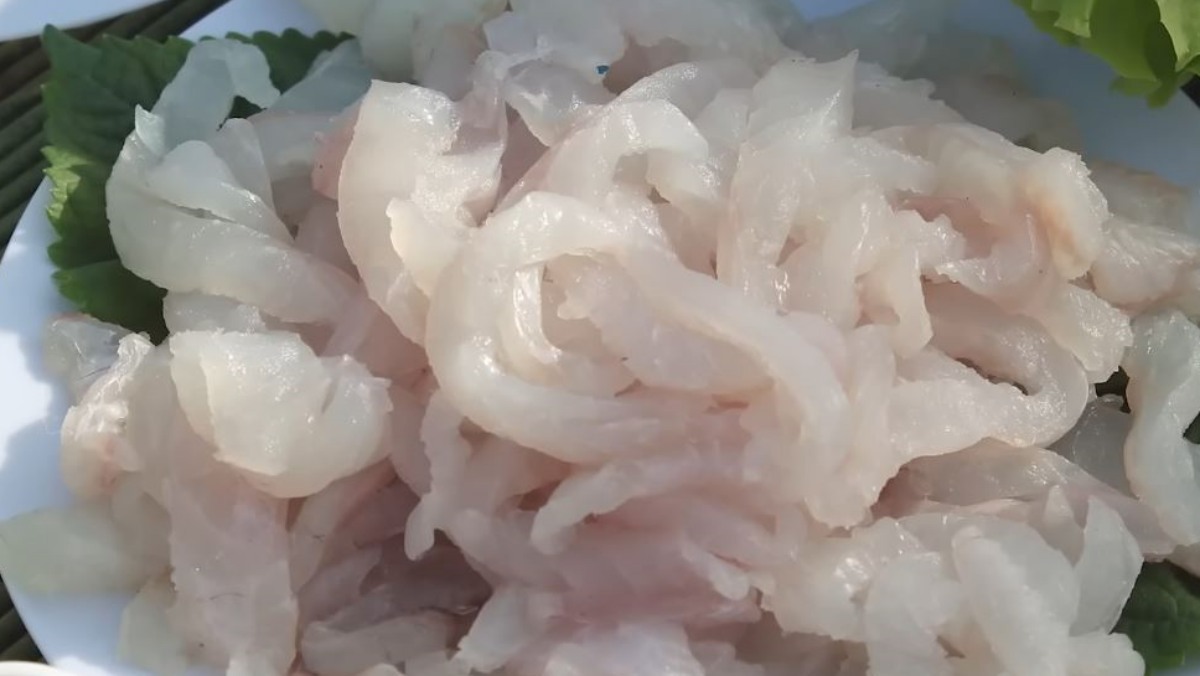
When the ocean’s vitality erupts into pure joy on your tongue, food lovers call it the taste of a lifetime. Even a single rare slice that stopped seasoned experts—those who’ve made thousands of cuts and tasted tens of thousands of sashimi slices—proved that the most unforgettable flavor comes from the honest condition of the raw ingredient, not flashy descriptions.
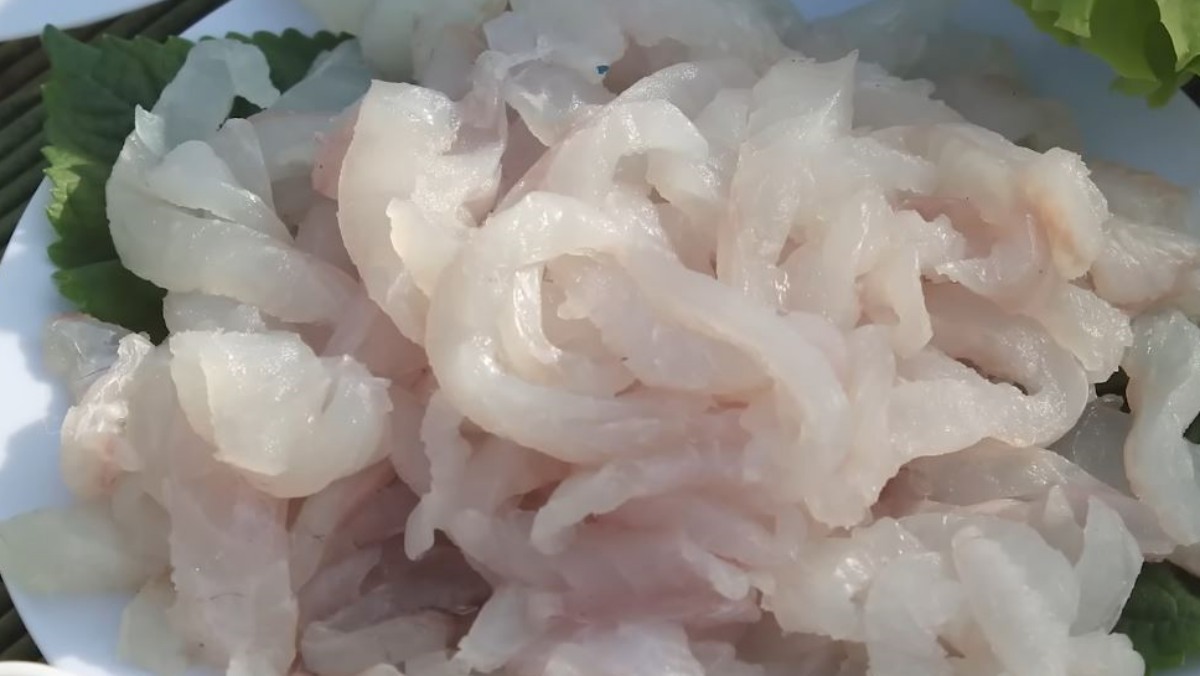
Seafood expert Kim Jimin recently shared on his channel a record of astonishing flavors hidden behind ordinary appearances, introducing species that shine both fresh and after careful aging.
The appeal of live fish versus aged sashimi varies by species
Sashimi generally falls into two camps: truly fresh, just-caught live fish, and aged fish whose flavors develop after time has passed. Species that sing when eaten live include rockfish, mackerel, horse mackerel, gizzard shad, and cutlassfish. By contrast, yellowtail, red sea bream, sea bass, and large amberjack tend to hit their peak after aging. Stone bream, black porgy, and porgy, meanwhile, are reliably delicious whether you enjoy them fresh or aged.
The sweetness of live-caught fish you only get at the fishing spot
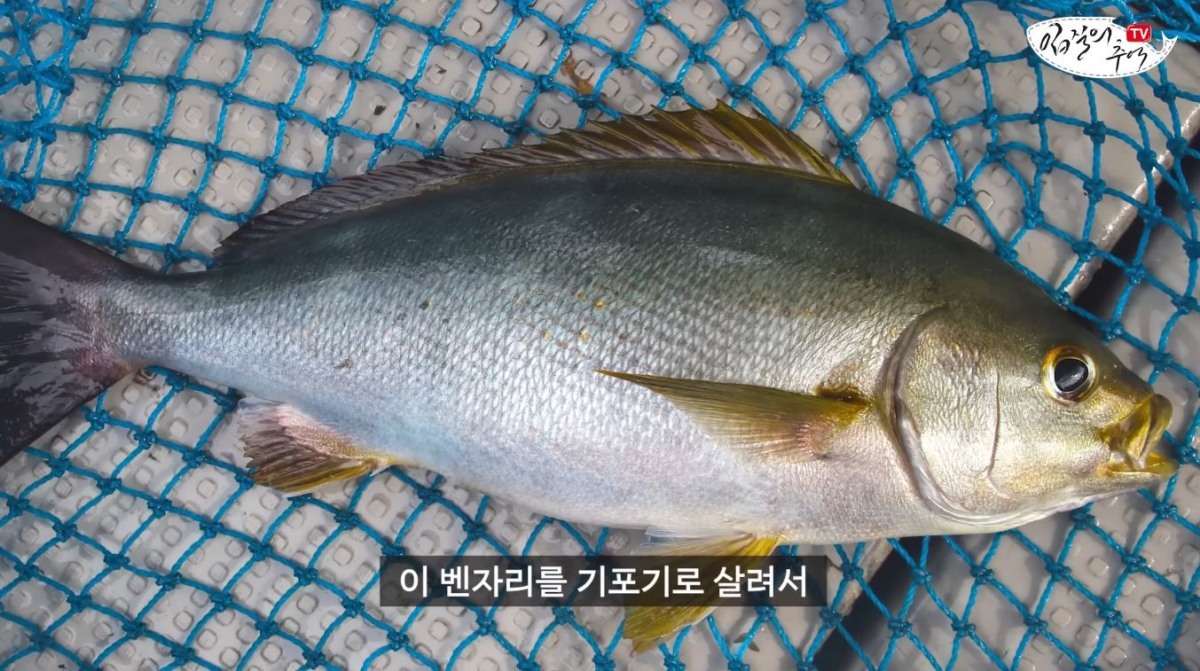
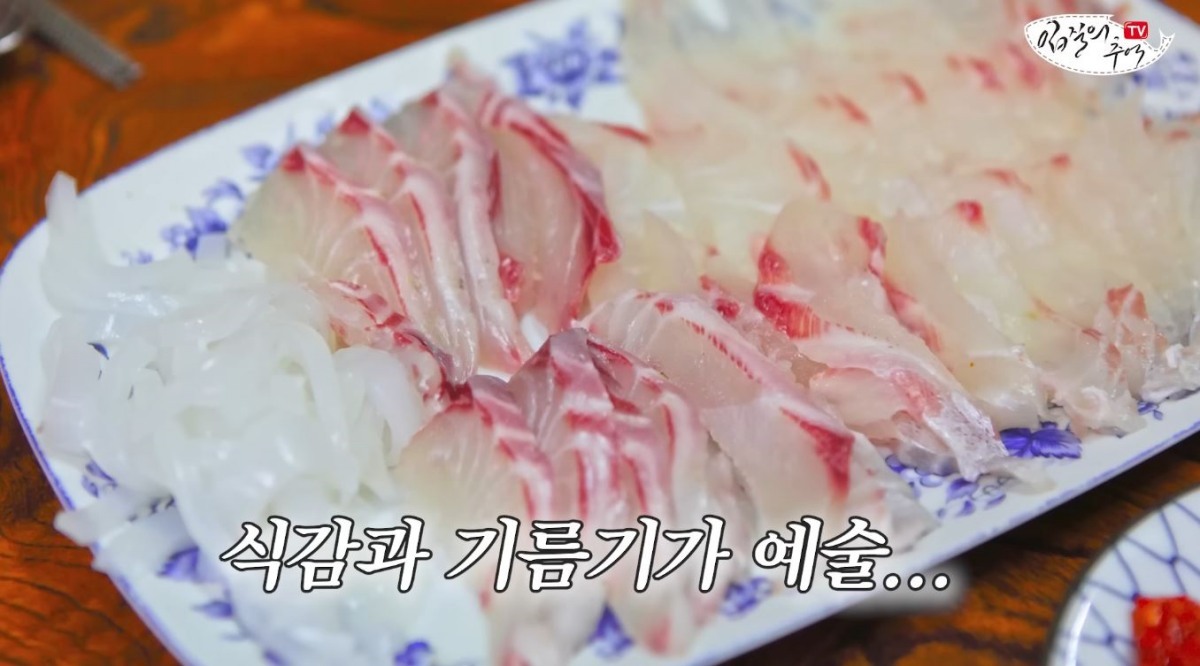
One of Kim’s most unforgettable live-sashimi moments was a dot benjari over 40 cm (15.7 in) he caught around Tsushima between mid-June and early July. When the fish was filleted on the spot that summer, its bite had the springy bounce of red sea bream and a fat richness that rivaled tuna belly. Kim notes benjari flesh softens quickly, so it’s best enjoyed immediately rather than after aging.
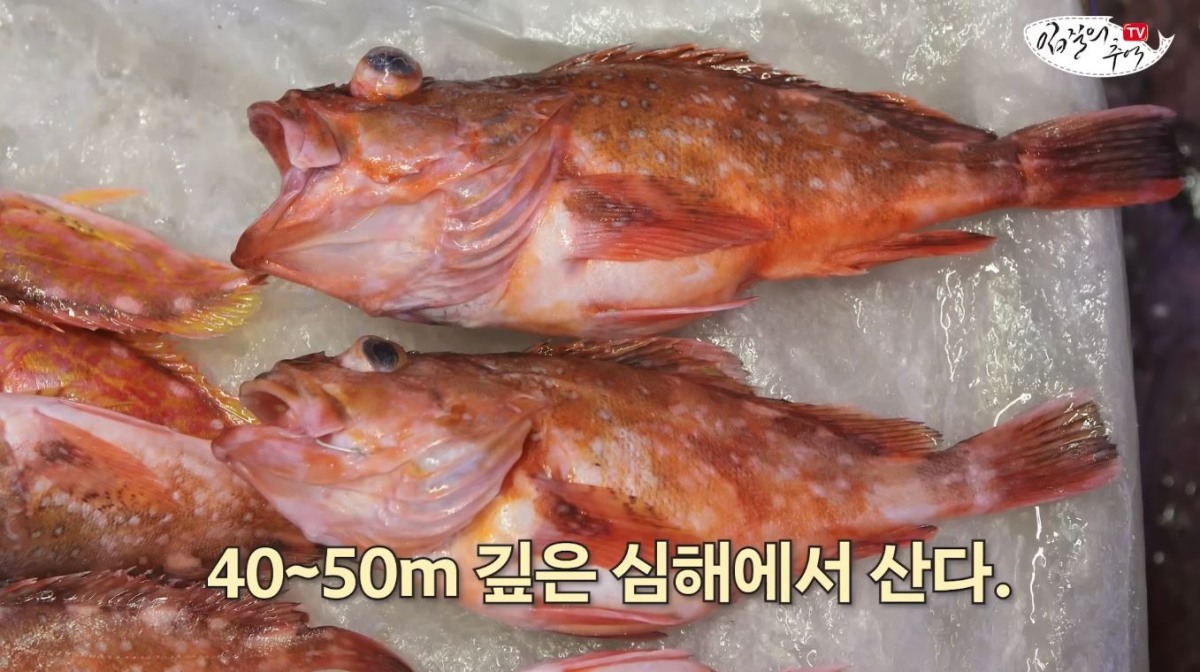
Another vivid memory came from a red sombaengi he hauled up on a deep-sea single-line trip in the southern waters. Unlike live fish at markets—often exhausted and drained of flavor during distribution—the red sombaengi filleted right at the moment of catch tasted almost like sugar water: unexpectedly, simply sweet.
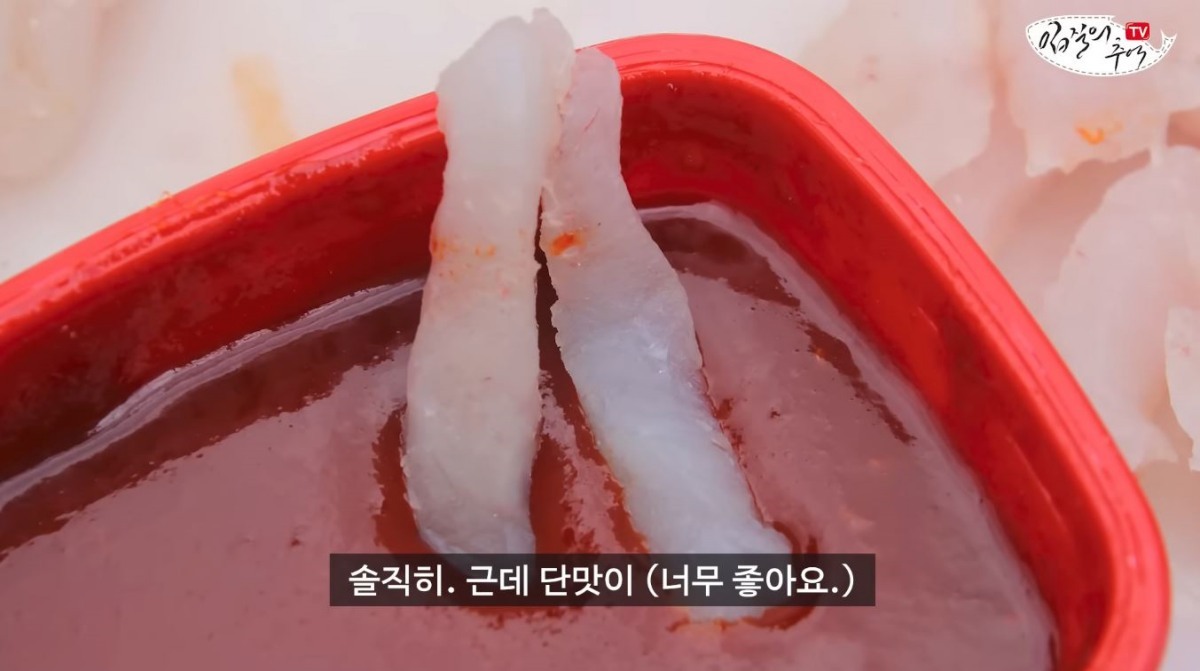
That sweetness came because the fish stayed in prime condition and didn’t need stabilization. The saury Kim tried in Pohang, cut by the captain right on deck, had a pristine, delicate aroma and translucent flesh so fresh it outshone even top chefs’ skills.
The art of aging: big fish and patience
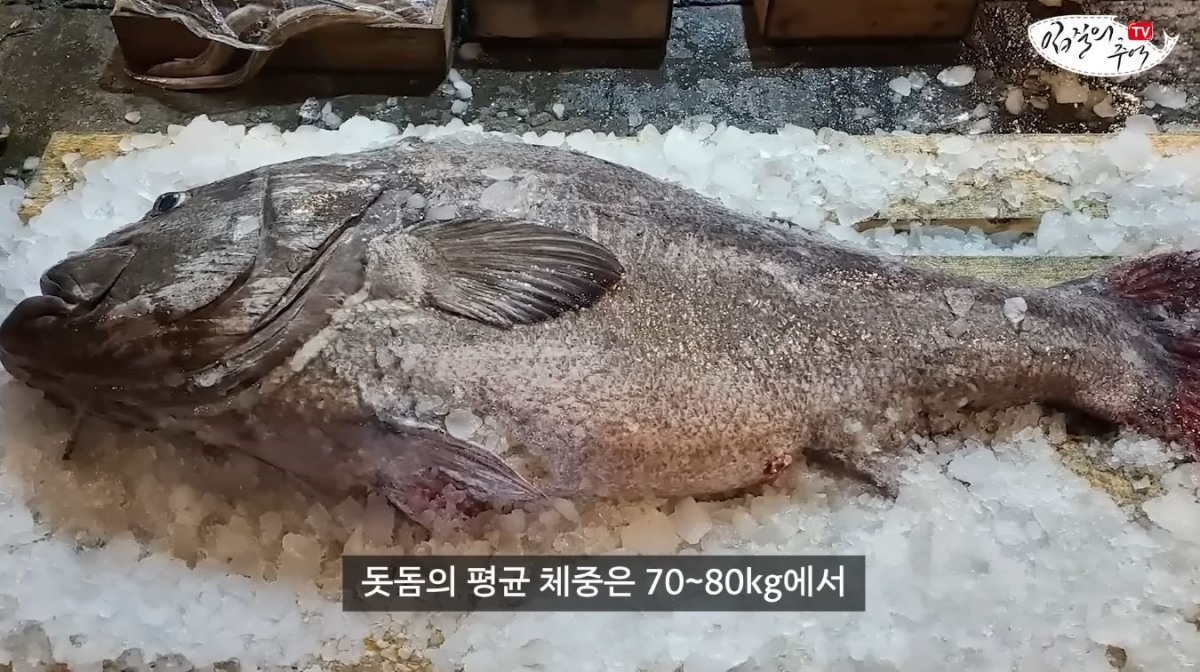
In the realm of aged sashimi, a giant 22 kg (48.5 lb) large amberjack left a strong impression. Its purple marbling of fat—reminiscent of top-grade beef—opened up like snowflakes, offering luxurious depth. Another legendary case involved an enormous 130 kg (286.6 lb) dotdom. Even after a short two-day aging during transport to Seoul, the fish’s sheer scale and vigor transformed into a memorable flavor.
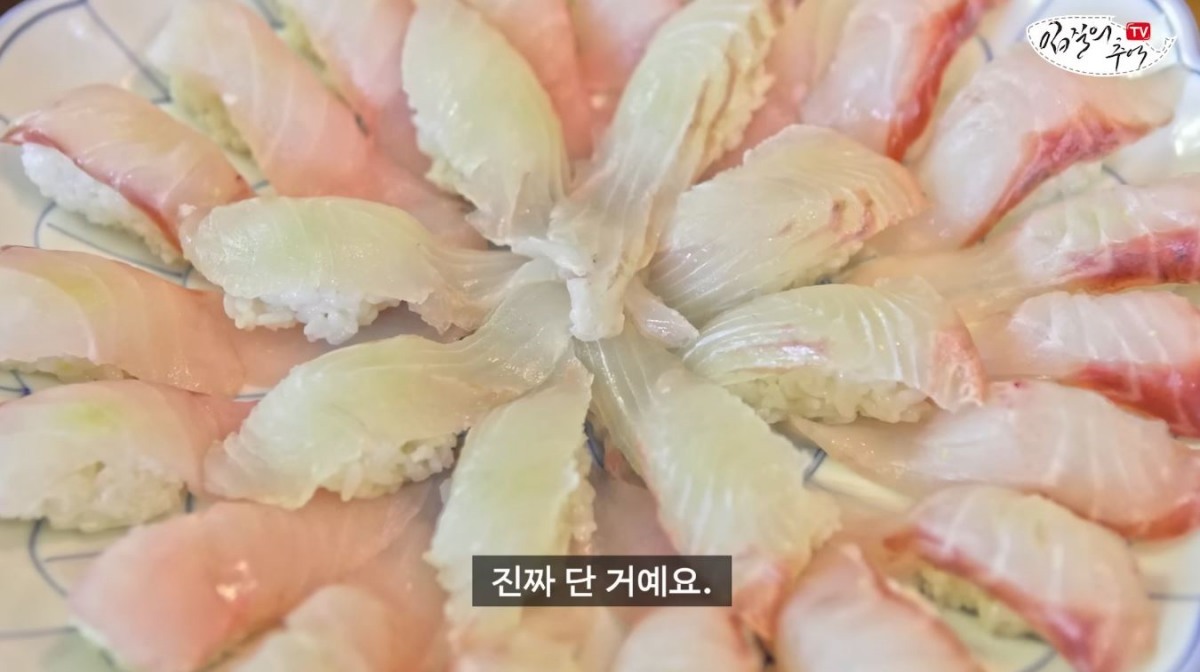
There are also everyday fish that surprise. A 45 cm (17.7 in) small rockfish Kim caught off Sinjindo in April was a B-grade fish with surface scars. After bleeding it and aging for about 7–8 hours before spawning, it released a sweetness beyond expectations. Even a plain-looking fish can become a life-changing bite when seasonality and the right aging time align. It’s a reminder that no technique can fully compensate for the freshness and condition of the raw ingredient.
Learn more about dot benjari and sombaengi, coastal edible species

Dot benjari and sombaengi are coastal species caught around South Korea and are used both as game fish and as food. They differ in appearance, ecology, flavor, and how people typically prepare them.
Dot benjari is a bottom-dwelling fish that mainly lives among rocky areas along the East and South seas. It hides in crevices and near underwater structures and has a relatively firm body and strong fins. Not widely known nationwide, it’s used regionally for sashimi or spicy fish stew. Its flesh is fairly firm and has a mild, clean flavor.
Sombaengi belongs to the family Embiotocidae and is commonly found along South Korea’s coasts. Many species develop bumps and spines on their bodies, and some have venomous spines, so handle with care. Sombaengi dwell near the seabed and feed on small fish and crustaceans. Traditionally eaten, they’re especially popular in spicy stews. Because they give broths a rich body, people on parts of the southern and eastern coasts favor them.
How they taste depends on preparation. Sombaengi release deep, savory flavor into broths, making them ideal for soups, while dot benjari’s cleaner texture suits both sashimi and stews. Both species are mainly consumed regionally, so they don’t have the same nationwide recognition as more common market fish.
South Korea’s marine life is cataloged and managed at the national level, and both dot benjari and sombaengi are recorded members of the coastal ecosystem. Through their feeding, these species play a role in maintaining ecological balance where they live.
While dot benjari and sombaengi differ in public recognition, they remain steady staples in regional fisheries and food culture.
How to safely eat live sashimi: hygiene rules you must check
Live sashimi is a widely enjoyed seafood dish in South Korea, but because it’s eaten raw, strict hygiene and safety controls are essential. The Ministry of Food and Drug Safety and the Korea Disease Control and Prevention Agency regularly advise on infection risks tied to raw seafood.
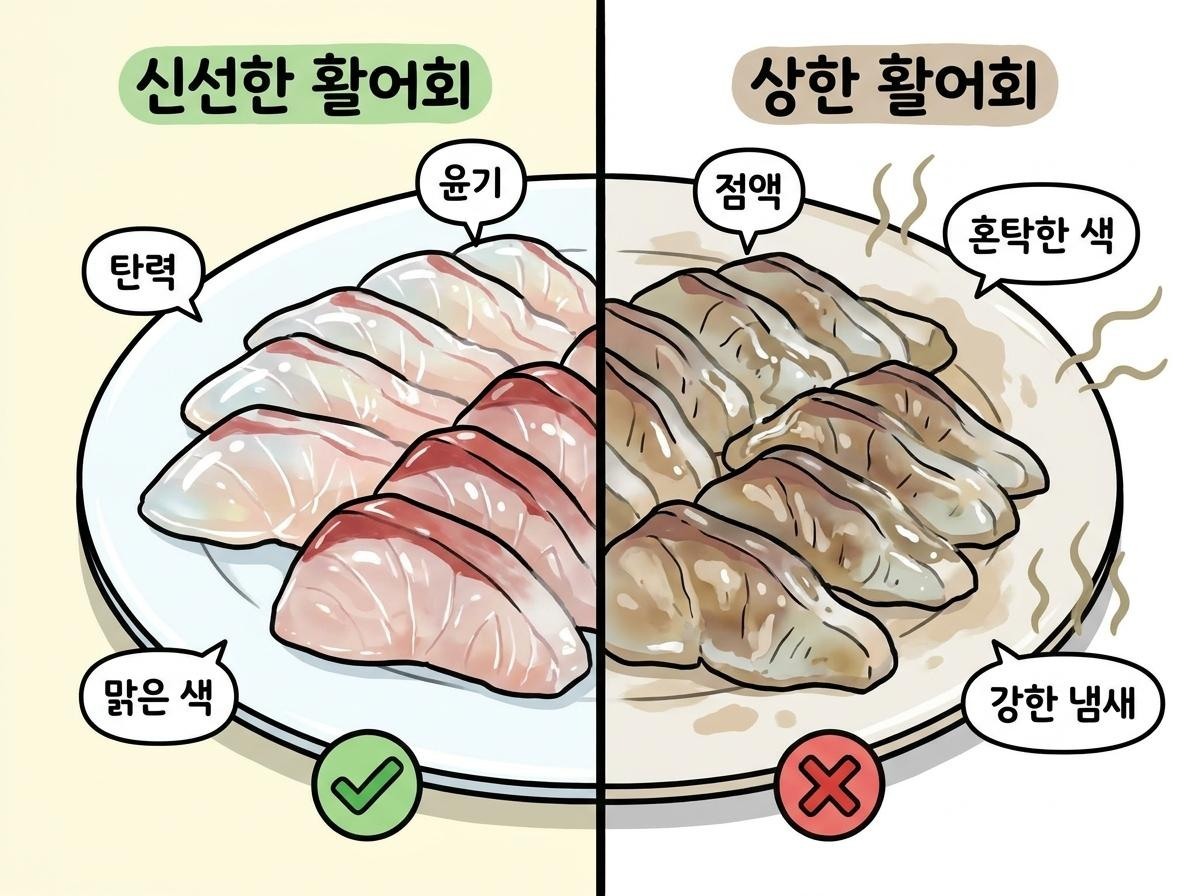
Freshness is the basic requirement. Live sashimi should come from fish handled while still alive. Avoid flesh that looks dull or has excessive mucus. Fresh sashimi typically has springy, glossy flesh and a mild aroma—not a strong fishy smell. If temperature control fails during distribution, bacteria can multiply quickly, so consume sashimi as soon as possible after purchase.
Parasites are a serious concern. Marine fish can carry Anisakis larvae, which can cause acute abdominal pain or vomiting if ingested. The Ministry recommends freezing according to center-temperature standards or thorough cooking to prevent infection. Since live sashimi is often served unfrozen, removing parasites during cleaning is critical. You can remove visible larvae by sight, but complete prevention is difficult, so exercise caution when eating raw fish.
Bacterial food poisoning is another risk. In summer, rising seawater temperatures increase Vibrio counts. Vibrio can infect people via shellfish and fish and may lead to septicemia in those with liver disease or weakened immunity. The Korea Disease Control and Prevention Agency advises high-risk groups to limit raw seafood consumption. Other bacteria, like enteric Vibrio, can also multiply under poor storage, so strict hygiene is essential.
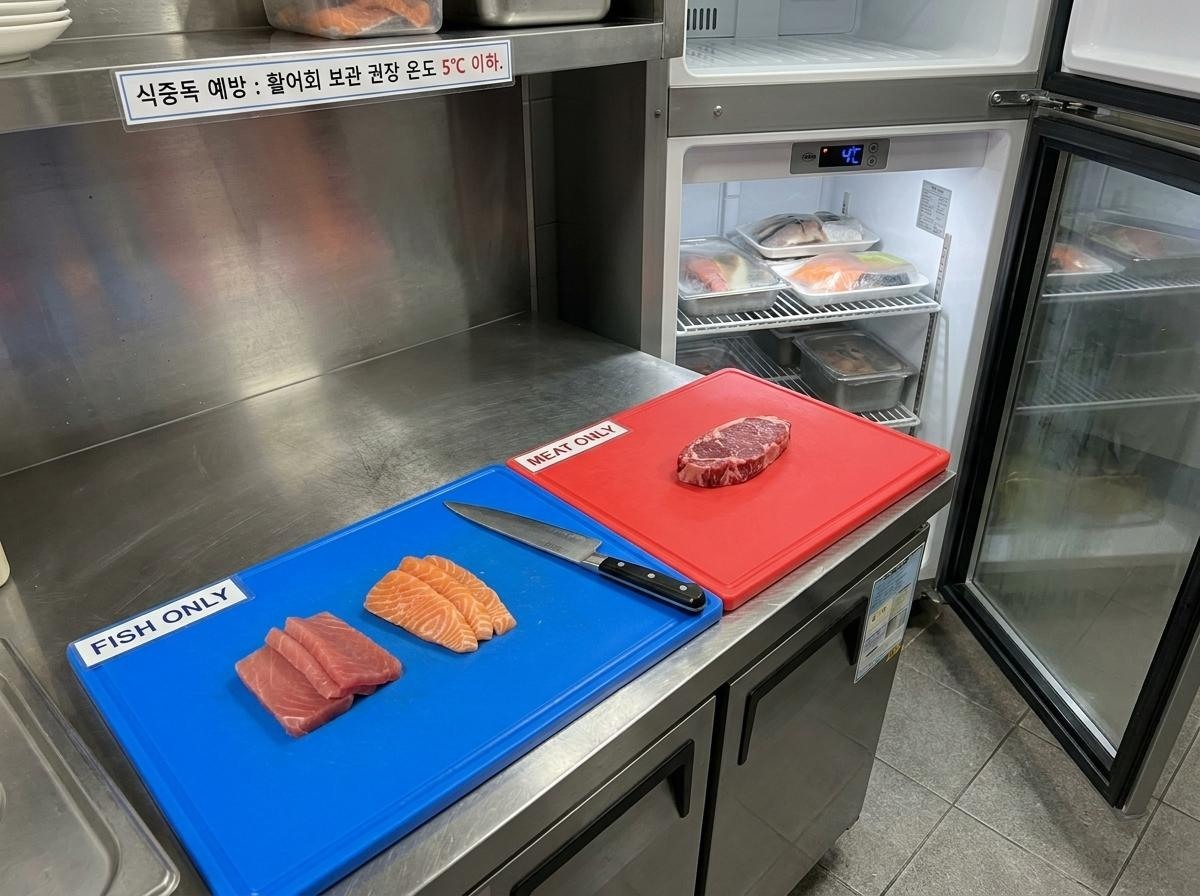
Handle and store sashimi carefully. Keep live sashimi at temperatures below 5°C (41°F); leaving it at room temperature increases the risk of bacterial growth. Delivery or long packaging times heighten that risk. At home, refrigerate and eat sashimi as soon as possible.
Use separate cutting tools and practice good hygiene. Knives and cutting boards for sashimi should be kept separate from those used for meat or other ingredients, and you should clean and sanitize them before and after use to avoid cross-contamination. Handwashing before and after handling is also crucial.
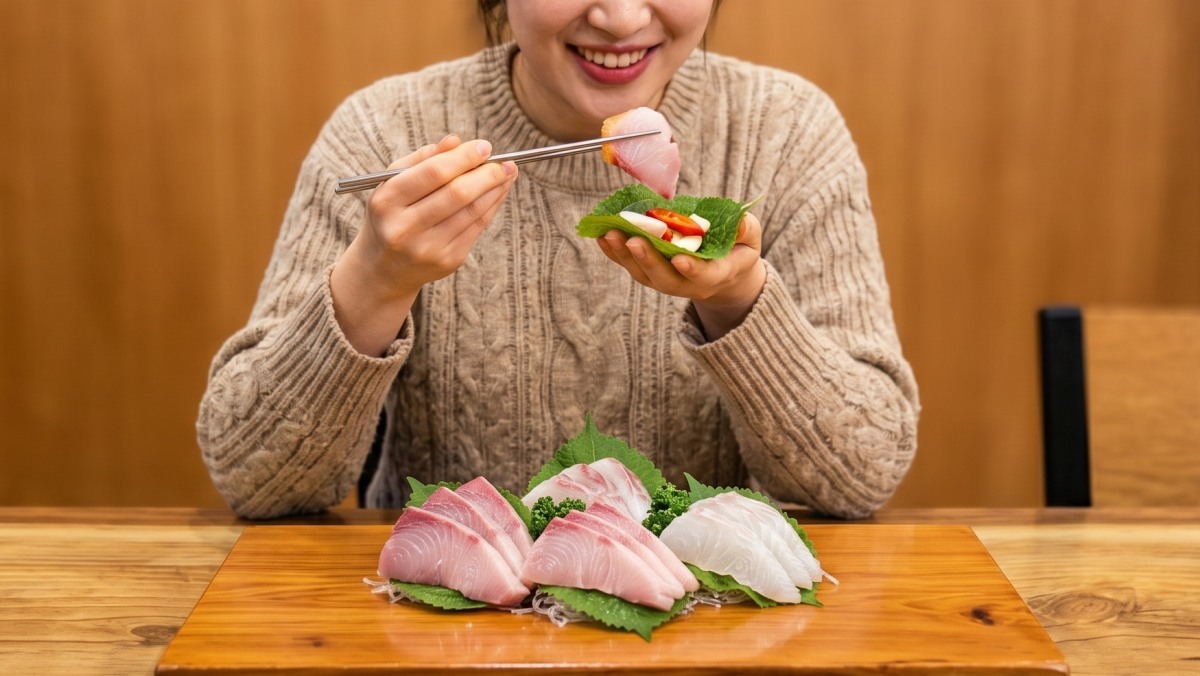
Live sashimi can be safe when it’s fresh, properly handled, and prepared with strict hygiene. Authorities continue to urge consumers to consider seasonal factors, storage conditions, and personal health before deciding to eat raw seafood.











Most Commented