

The little tricks that take plain braised lotus root from everyday side dish to restaurant-worthy obsession.
Braised lotus root is a classic side: healthy, comforting, and so addictive it practically begs for extra rice. Yet homemade versions often feel about 2% short of that restaurant-level finish.
So why doesn’t it taste like the one from your favorite spot?
It usually comes down to the order you cook and one or two smart additions. The same lotus root can turn out totally different depending on how you prep and braise it.
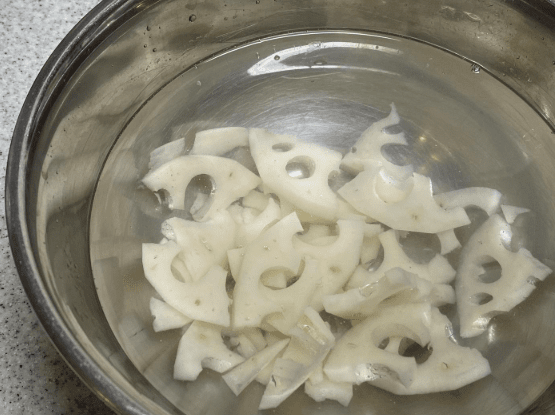
Soak lotus root in vinegar water to nix bitterness
Lotus root browns quickly after cutting and can carry a slight astringency, so soak it in lightly diluted vinegar water for about 5 minutes. This brightens the color and gives a cleaner flavor. After that, briefly blanch in boiling water to keep the texture crisp.
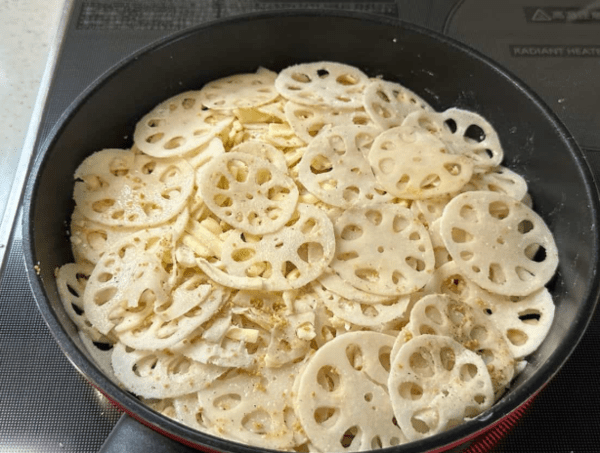
Sear in oil first for a glossy, coated finish
Don’t braise straightaway—pan-fry the blanched lotus root in a bit of cooking oil for about 3 minutes first. This creates a light coating on the surface so the seasoning clings better and the texture becomes pleasantly chewy. That single step elevates the whole dish.
You get a chewier, glossier lotus root—that’s the difference.
Kombu and ginger amp up the umami
Use 500 ml (about 2 cups) water with 4 tablespoons soy sauce, 2 tablespoons dark brown sugar, and 1 tablespoon mirin as your base; then add one sheet of kombu (dried kelp) and a slice of ginger. Kombu brings natural umami, while ginger clears away any off-notes and adds a bright aroma. Together, they instantly deepen the flavor profile.
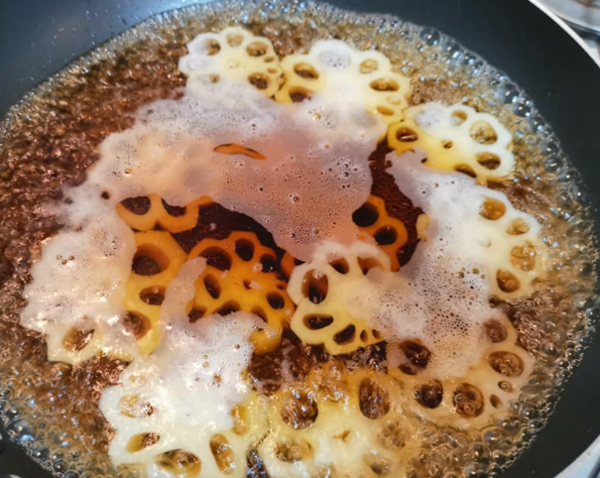
Simmer gently over medium-low so the flavors penetrate
Skip the high-heat shortcut. Simmer slowly over medium-low heat so the seasoning soaks into the lotus root and the exterior develops that glossy coating. Turn the pieces occasionally to ensure even cooking.
Changing just a couple steps can really change reactions at the table
A woman in her 40s said that after she added kombu and ginger to her usual method, her family actually asked, “Why does this taste so much better?” It’s a perfect example of how small ingredient swaps can make a big difference.

Balance sweet and salty so people keep coming back for more
Braised lotus root gets tiresome fast if it’s overly salty or cloyingly sweet. Keep your soy-to-sugar ratio balanced and add mirin for rounded depth. That combo makes a flavor you won’t tire of quickly.

In the end, it’s all about order and ingredients
Even with the same lotus root, following three steps—vinegar soak, oil coating, and adding kombu and ginger—will dramatically improve the final dish.
Small changes level up home cooking
Mastering one basic step matters more than complicated techniques. That’s why the braised lotus root you make today can be the dish you crave tomorrow.












Most Commented