
Top 5 Grocery Shopping Tips: How to Identify Quality Soy Sauce, Sesame Oil, and More!
Daniel Kim Views
Translation result

A viral short video that rattled retailers and social feeds in South Korea is quietly reshaping how people shop for groceries. Posted on the YouTube channel ‘Jjalcut,’ the supermarket shopping guide has 2.96 million views in under a month and still climbing. Its advice is refreshingly simple: check the tiny print on the back of everyday ingredients for certain red-flag words.

Soy sauce, sesame oil and gochujang — kitchen staples that can betray you
First up: soy sauce, a must-have on Korean tables. The video warns shoppers to check ingredient lists for the term ‘hydrolyzed soy sauce’.
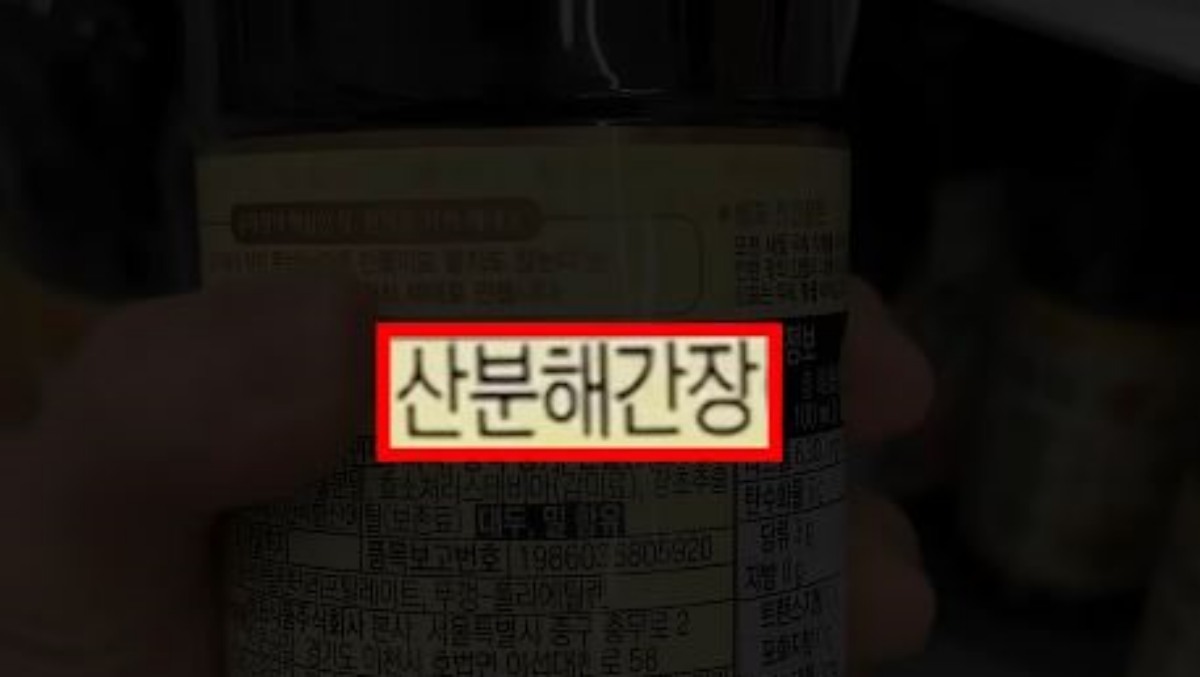
Hydrolyzed soy sauce skips the slow, microbe-driven fermentation process. Instead, it’s chemically processed to mimic flavor in just two or three days. For better flavor and quality, pick products labeled ‘brewed soy sauce’ or ‘Korean-style soy sauce,’ which go through longer fermentation.

Sesame oil — beloved for its toasty aroma — fares no better. Bottles marked ‘sesame-flavored oil’ or ‘aromatic oil’ are often blended, low-nutrition products. If you want real sesame oil, look for ‘100% sesame’ on the ingredient list.
Gochujang can hide cost-cutting tricks. If the label lists ‘red pepper seasoning’, it may contain ingredients that are roughly six times cheaper than genuine red pepper powder. When buying gochujang, check that red pepper powder makes up at least 10% of the product.
From chocolate to frozen shrimp: chemical traps inside processed foods
The video also flags warning signs on kid-favorite chocolates and frozen shrimp. If a chocolate lists ‘vegetable fats’, it likely uses low-cost substitutes. Because these fats can raise cholesterol, choose chocolates that list ‘cocoa mass’ or ‘cocoa butter’ instead.

Also inspect frozen shrimp in the seafood section. Products that list ‘phosphates (sodium polyphosphate)’ have been chemically treated to artificially increase size and weight. They can shrivel during cooking and feel rubbery, so opt for items labeled ‘phosphate-free’ whenever you can.
More confusion awaits in the butter aisle. Items labeled ‘processed butter’ aren’t pure butter. They often mix cheaper palm oil, vegetable fats, flavorings and emulsifiers to set milk-fat levels between about 30% and 79%. If you want real richness, buy a product labeled simply ‘butter’ with no extra qualifiers.
Fish cake percentages and a honey number — smart shoppers win
The video offers tips for everyday sides and health staples, too. The quality of fish cake comes down to the ‘fish meat content’ listed on the back; experts recommend products with at least 70% fish meat.
One of the slickest tips helps judge honey quality: remember one number — the carbon isotope ratio. If the ratio is higher than -23.5, the honey was likely produced by bees fed sugar syrup. A value of -23.5 or lower indicates true, natural honey.

Viewer reaction to the video ranged from shocked to outraged. One commenter wrote I won’t remember this at the store — I should write it down, I’ll forget when I’m in the market. Another complained The ingredient text is so tiny it’s hard to read. They need to make it more legible. Others vented, It’s exhausting to have to live so detailed, It’s unrealistic to expect consumers to know all of this before buying, Can we even trust our food anymore…, There’s a reason cheap products are cheap. Some voices pushed for change: This info should be mandatory on labels, Can’t they make those words bigger? I’m so angry. The comments covered a lot of anxiety and a few calls for reform.

The video’s record view count shows how hungry people are for clear information about food safety. As processing tech makes it harder to tell real from fake, getting in the habit of reading the fine print on food packages is one of the best ways to protect your health.
What every home cook should know! Types and characteristics of soy sauce, gochujang and cooking oils on the Korean table
In Korean food culture, soy sauce, gochujang and cooking oils are considered basic seasonings. These ingredients come in different types depending on how they’re made and what raw materials are used, and each type has its own uses and traits.
First, soy sauce is a traditional fermented condiment made from soybeans, and makers classify types by production method. The most common types are guk-ganjang, jin-ganjang and brewed soy sauce. Guk-ganjang is a traditional soy sauce made from fermented meju; it has a high salt content and lighter color, so it’s mainly used to season soups and stews. Jin-ganjang is a blend that can include acid-hydrolyzed soy sauce and other components; it has a darker color and consistent flavor, making it suitable for braising and stir-frying. Brewed soy sauce is made by fermenting soybeans and wheat, and it’s prized for its aroma and depth of flavor; people use it for seasoned dishes and as a table condiment. Because soy sauce is a salty fermented product, it tends to resist spoilage.
Gochujang is a fermented paste made from red pepper powder, meju powder, glutinous or regular rice, and malted barley. Traditionally, glutinous rice gochujang is the classic variety, and producers also make rice gochujang and barley gochujang depending on the grain used. Glutinous rice gochujang is thick and sweet, while barley gochujang offers a milder taste. Industrial products sometimes include starch syrup or other sugars. Gochujang gets its characteristic umami from organic acids and amino acids formed during fermentation.
Cooking oils vary by raw material. Common options include sesame oil, perilla oil, soybean oil, corn oil and canola oil. Sesame oil comes from pressing roasted sesame seeds and has a strong aroma, so it’s mostly used as a finishing oil. Perilla oil comes from perilla seeds and typically contains high levels of unsaturated fatty acids. Soybean, corn and canola oils are vegetable oils with high smoke points, making them suitable for frying and stir-frying.
These oils also differ by refinement method. Refined oils remove impurities, have higher smoke points and a neutral taste, while cold-pressed oils retain more aroma and flavor but may have lower heat tolerance.
Soy sauce and gochujang share fermentation as a common thread. Microbial and enzymatic activity during fermentation creates their flavors and aromas, and production methods affect ingredients and taste. Cooking oils, by contrast, extract fats from raw materials without fermentation.
As shown, soy sauce, gochujang and cooking oils commonly used on Korean tables come in many varieties depending on production methods and raw materials. Choosing the right product depends on each type’s traits and intended use, and home cooks pick seasonings to suit their recipes.










Most Commented