
Translation result
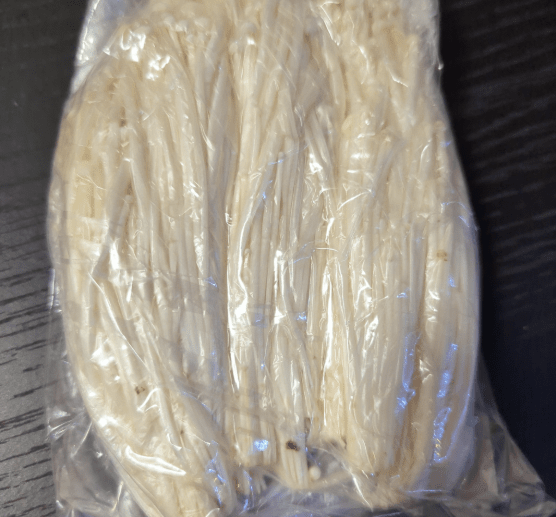
Freeze for extra benefits: 3 unexpected ingredients that get more nutritious in the freezer.
Most of us assume food is best eaten fresh, but some ingredients actually become more bioavailable after freezing. Tomatoes, blueberries, and enoki mushrooms, especially, undergo structural and compositional shifts that work in their favor when frozen.
This isn’t just about keeping food longer—freezing changes cell structure in ways that affect how your body absorbs nutrients. The same ingredient can hit differently depending on how you store and prepare it.
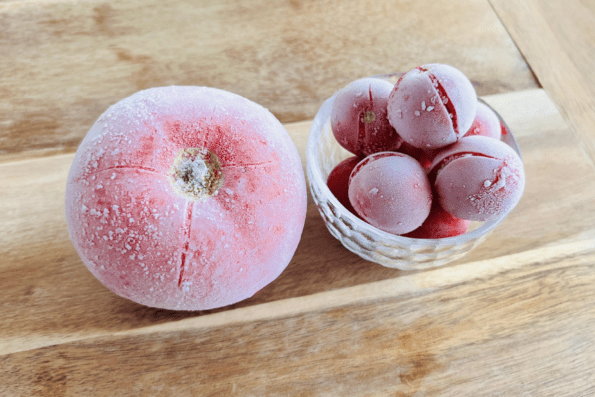
Tomatoes: freezing cracks cell walls, making lycopene easier to absorb.
Tomatoes are rich in lycopene, a powerful antioxidant that’s tucked inside cell walls and only partly available when you eat them raw. Freezing disrupts those cell walls and helps release more lycopene.
Eating tomatoes after they’ve been frozen can boost how much lycopene your body actually takes in. And if you cook them after thawing, absorption goes up even more. That makes freezing a strategy for enhancing nutrient use, not just preservation.
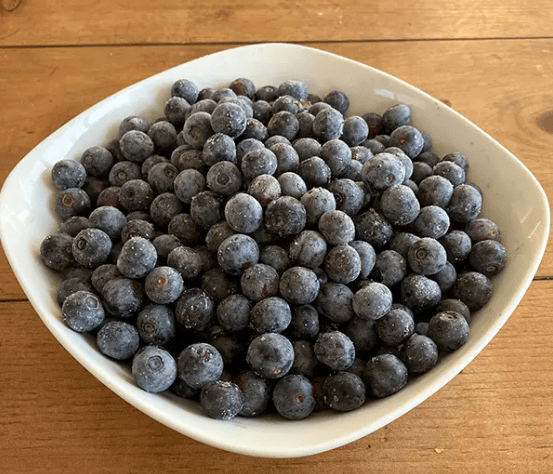
Blueberries: tiny breaks in the skin unlock antioxidants.
Blueberries pack anthocyanins in their skins. These antioxidants are potent, but the skin’s toughness can limit how much your body uses when you eat them whole.
Freezing causes micro-tears in the skin that let those compounds out more easily. That means your body can use a higher proportion of the antioxidants—especially if you eat them right after thawing or blend them into smoothies.
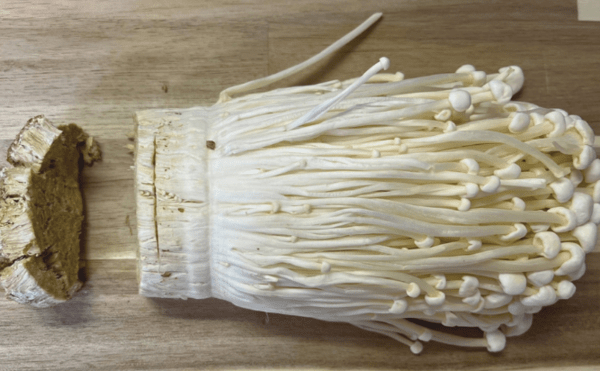
Enoki mushrooms: freezing softens cell walls and improves digestion.
Enoki mushrooms have cell walls made of chitin, which can be tough to break down. Freezing weakens that structure and softens the mushrooms.
As a result, their nutrients become easier to access. Dietary fiber and various functional compounds are more available to the body, and cooking after thawing further boosts absorption.
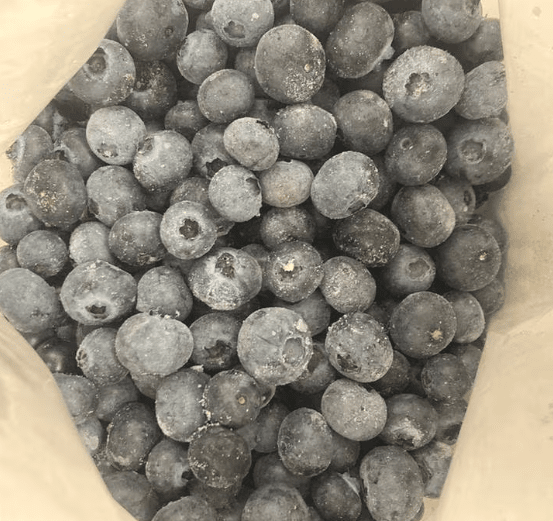
Freezing isn’t just storage—it’s a structural makeover.
These three foods all share one thing: freezing alters their cellular structure. That change creates conditions that make nutrients easier to access.
In short, freezing can increase nutrient bioavailability rather than simply extending shelf life. The same ingredient can affect your body differently depending on its state.
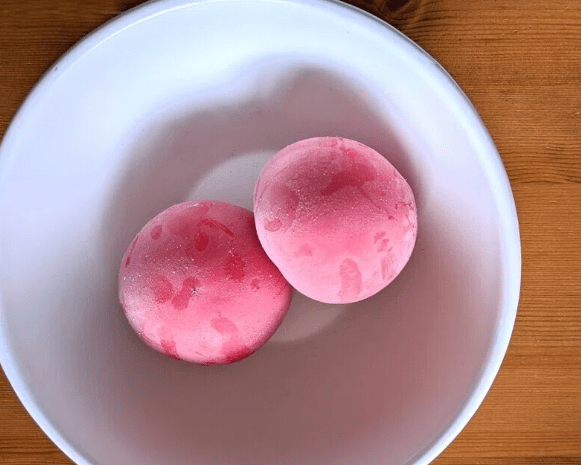
Use the right method to get the benefits.
After freezing, it’s often best to eat or cook foods while they’re partially thawed rather than fully defrosted. Leaving them too long can cause moisture loss and a poor texture.
Freeze in small portions and take out only what you need—it’s the most efficient way. Ultimately, storage and preparation matter: small differences can have a big impact on how your body uses nutrients.











Most Commented