
Translation result
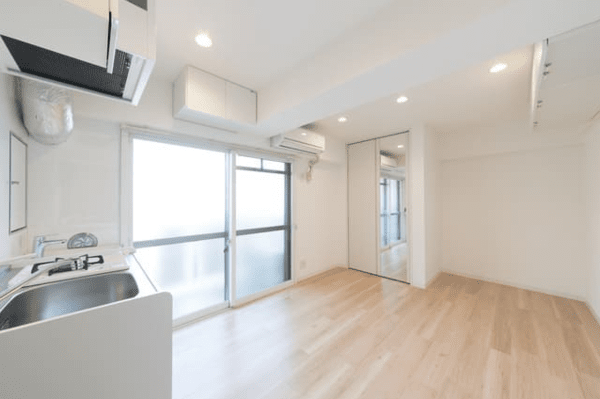
Number one renovation regret: your floors make or break the whole home — how to choose the right material.
When people buy a home, they often get hung up on wallpaper or lighting — the obvious, pretty stuff. But the thing that really determines how happy you’ll be living there long-term is the flooring. Once it’s installed, swapping it out is expensive and disruptive, so picking the wrong material usually leads to the biggest regrets.
Flooring affects heating efficiency, scratch resistance and how it feels underfoot, so choosing purely for looks is a risky move. That’s why pros always emphasize flooring first. Knowing the right criteria will change how satisfied you are with daily life in the space.
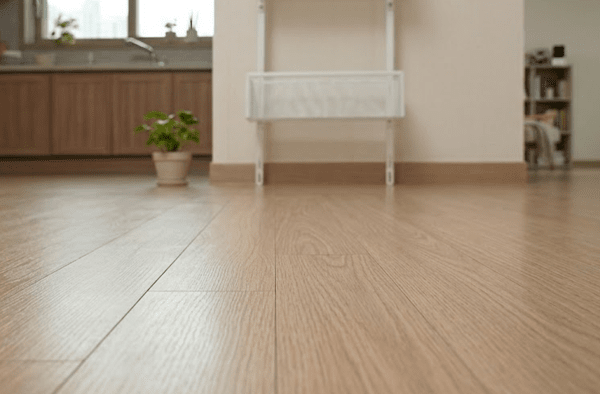
For heating efficiency, engineered wood flooring (often called “gangmaru”) is the most practical choice.
Engineered wood conducts heat relatively well, so underfloor heating reaches the surface quickly. In homes that use ondol-style heating, how fast the floor warms up has a huge impact on everyday comfort.
Very thick floors take longer to heat, but engineered wood’s moderate thickness and layered build let warmth move through faster. That can also shave your winter energy bills. For most people living in a space, this is one of the most noticeable differences.
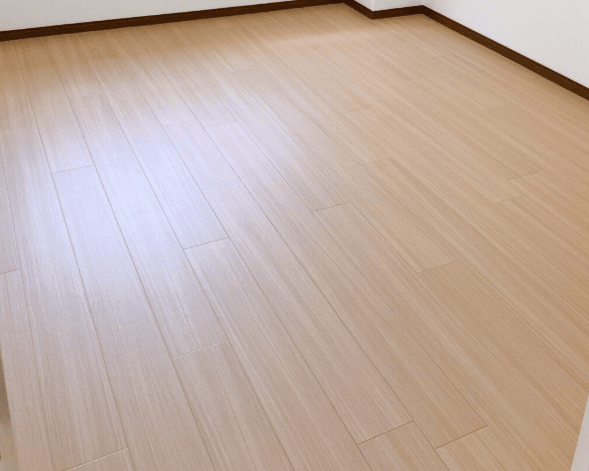
Scratch resistance and durability are what separate a floor you’ll love now from one you’ll resent later.
Floors get walked on every day, so scuffs and wear are inevitable. Engineered wood usually has a protective surface coating that stands up well to everyday scratches.
Solid hardwood looks luxe but is more easily nicked and demands more upkeep. If you have kids or pets, durability becomes a top priority. Ultimately, how the floor holds up over time matters far more than how pristine it looks on day one.
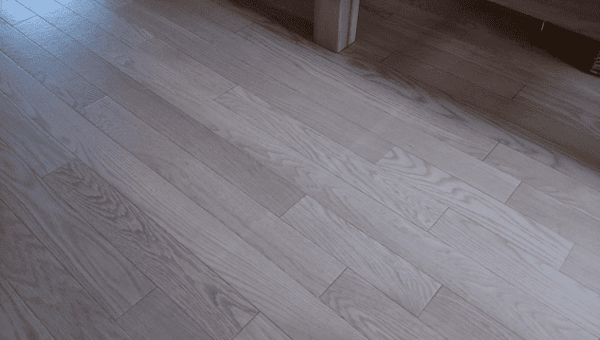
Feel matters — and you notice it every time you walk barefoot around your home.
If you spend a lot of time barefoot, the texture and give of the floor should factor into your decision. Engineered wood delivers a pleasant amount of cushioning without feeling overly hard. Tile can feel cold and rigid, and vinyl might be softer but often lacks the same durability.
Look for a balance between comfort and toughness. Since these are the surfaces you live on every day, perceived comfort strongly influences overall satisfaction.
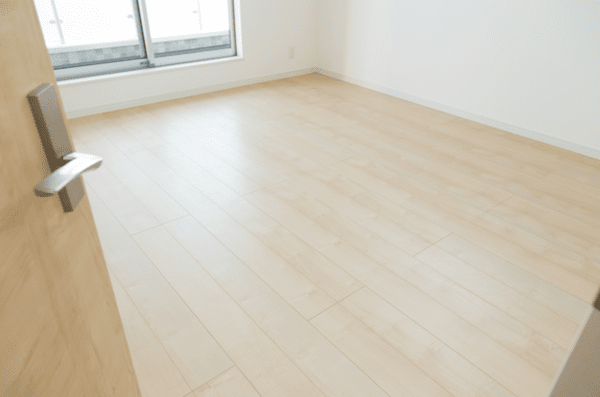
Practical care and real-world performance beat pretty patterns when it comes to long-term happiness.
At first, color and pattern draw the eye, but over time ease of maintenance becomes what really matters. Colors that show every smudge or materials that are hard to clean turn into daily stressors.
Engineered wood is relatively low-maintenance and can handle mopping without much fuss. In real use, comfortable, easy-care materials are the ones that keep you satisfied the longest.
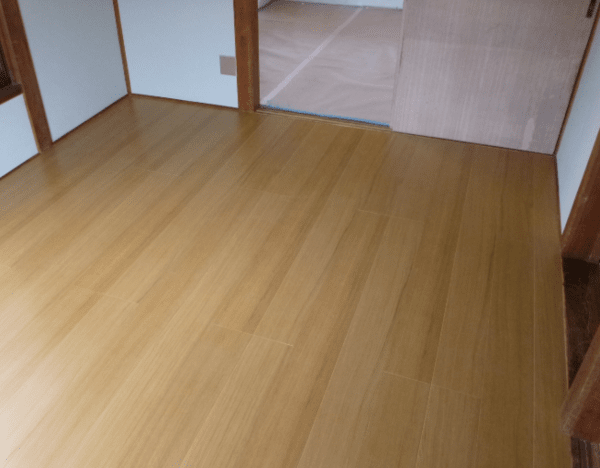
Bottom line: engineered wood (gangmaru) is the most well-rounded option.
Weighing heating performance, durability, feel and maintenance, engineered wood is the most practical, balanced choice for most homes. That said, using tile or solid wood in specific zones is still a smart move depending on the space. For whole-home flooring, balance beats trendiness every time. At the end of the day, pick flooring that fits your lifestyle, not just your Instagram aesthetic — one choice will shape how you feel about your home for years.














Most Commented