
Is the 4-Minute Microwave Egg Rice Recipe the Ultimate Breakfast Solution for Busy Professionals?
Daniel Kim Views
Translation result
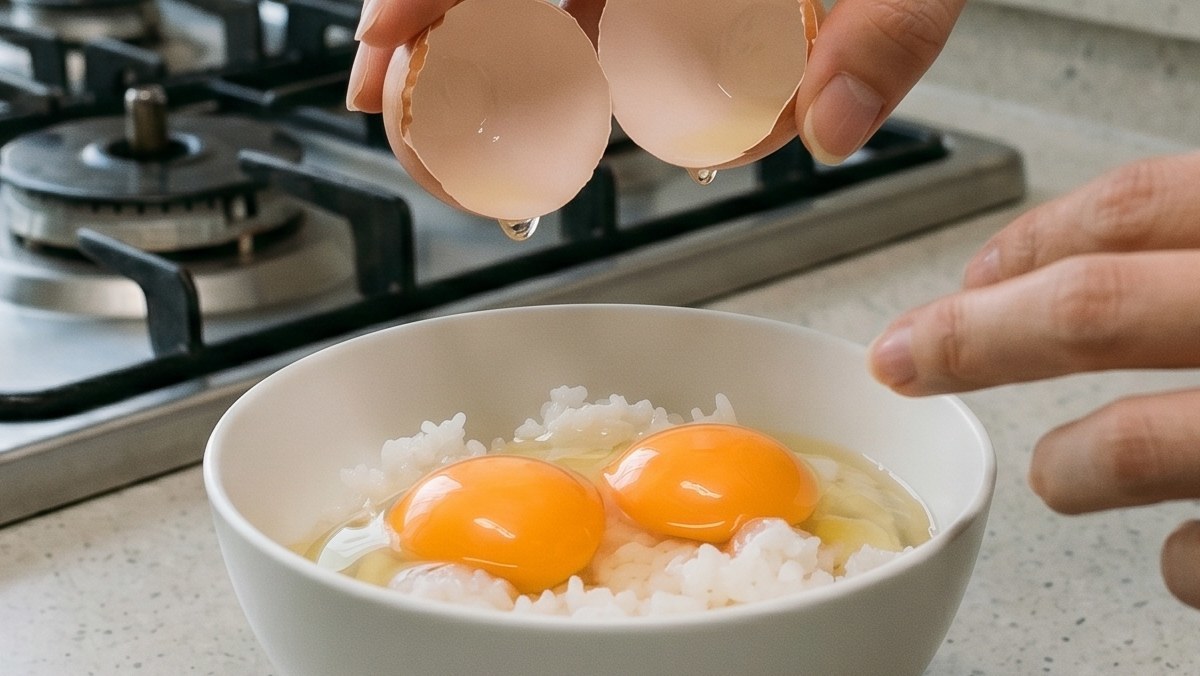
On hectic mornings—whether you’re an office worker clinging to coffee or someone who avoids cooking at all costs—a little kitchen miracle is trending. It promises a seriously satisfying meal without fancy gadgets or long ingredient lists, and people are eating it up.
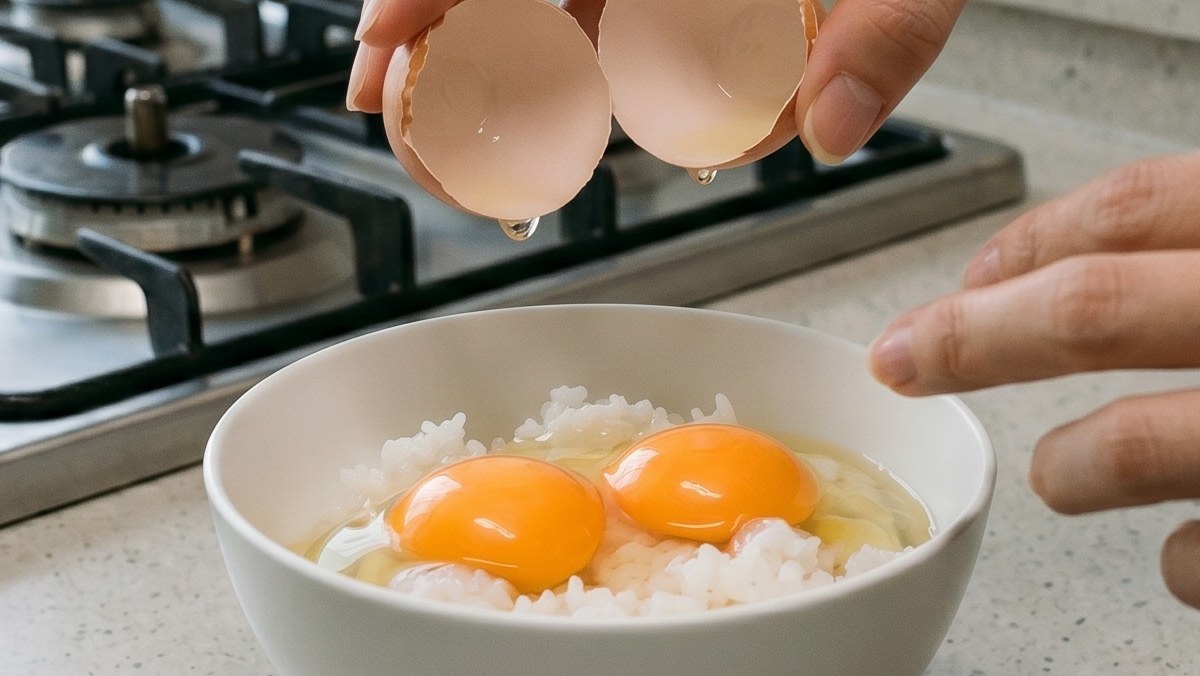
The star is the so-called ultra-simple microwave egg rice. A clip from the minimalist cooking channel yuziman—hailed as the essence of minimalist cooking, not just a quick way to fill your stomach—has exploded past 5.46 million views, proving its staying power.
Cold rice remixed in the perfect ratio — ready in just 1 minute

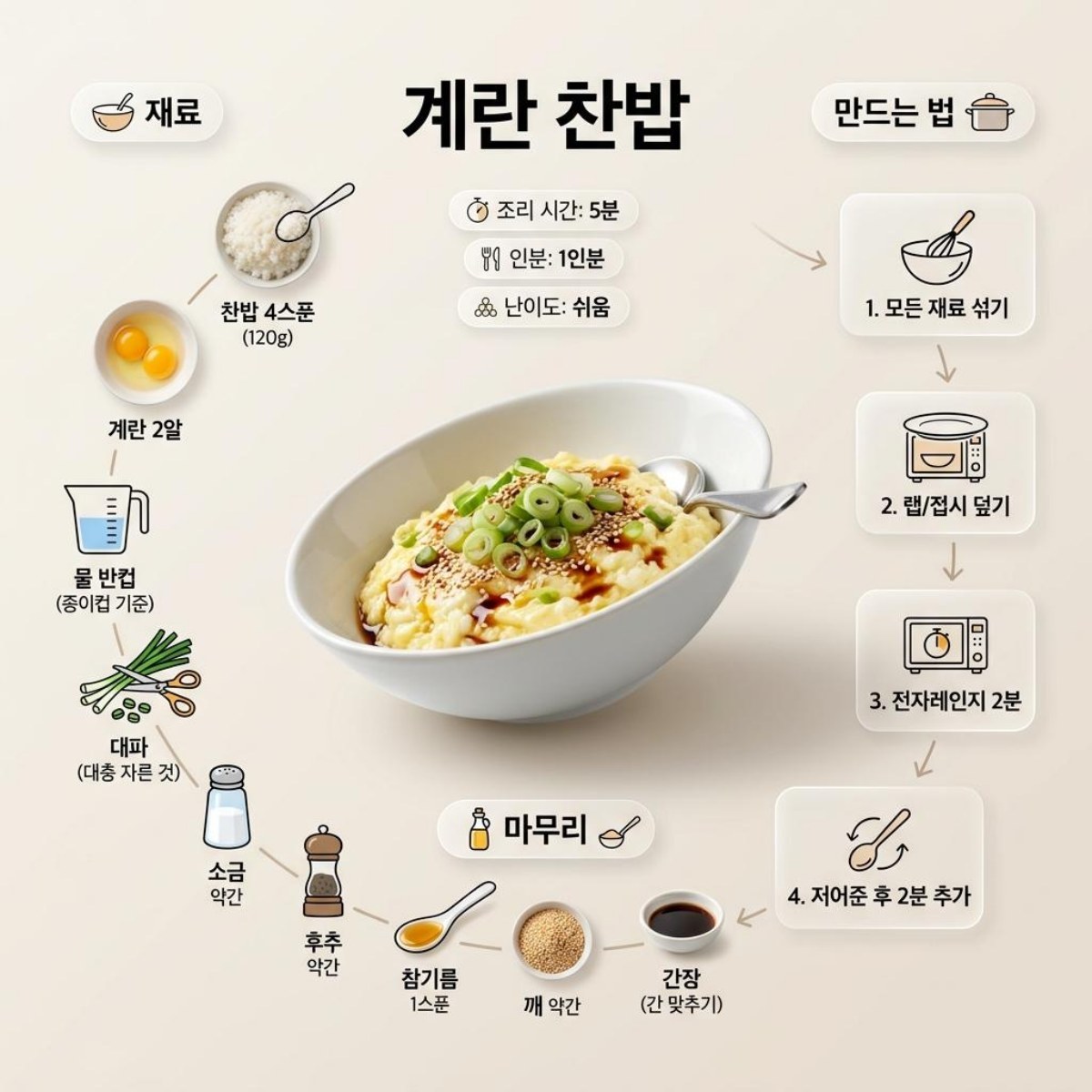
This recipe’s runaway popularity comes down to realism and efficiency. The whole thing centers on just four tablespoons of cold rice (about 120 g) and two eggs. Add half a cup of water, roughly chopped scallion snipped with scissors—no cutting board required—and a pinch of salt and pepper. That’s it. The outcome is better than you’d expect.
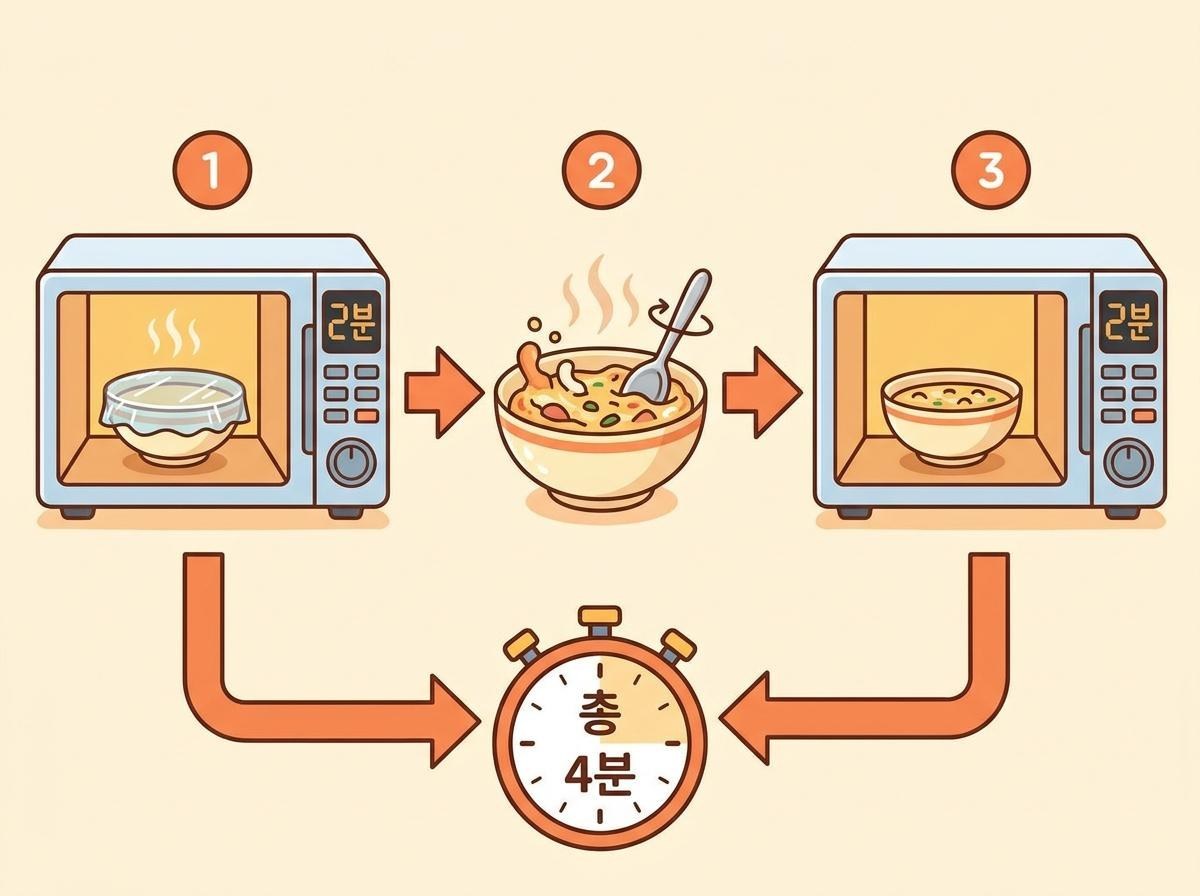
The method is ridiculously simple. Cover the mixed ingredients with a plate or plastic wrap and pop them in the microwave. Heat for 2 minutes, stir so everything cooks evenly, then heat another 2 minutes — the easy “2+2” trick. Finish with a spoonful of sesame oil and a sprinkle of sesame seeds for toasty depth, and add soy sauce to taste. That’s the exact dish 5.46 million fell in love with.
This is real soul food — viewers are swooning

Viewers couldn’t hide their delight. Comments ran the emotional gamut: “How is this so easy and still look this good?” “Perfect for when I have zero appetite,” and “As a steamed-egg fiend, this is peak.” Others were decisive: “Saved — I’ll eat this every day,” “Making it tomorrow morning for sure,” and “If this feels like too much, you’re just being lazy!” Parents, in particular, praised its practicality.
“My kids love mixing rice with steamed egg—this seems ideal for breakfast,” one parent wrote, suggesting the recipe is moving from viral fad to everyday solution.
Recipe evolves through crowdsourcing — from imitation crab to oatmeal
The comments section doubled as a test kitchen. One viewer suggested replacing salt and pepper with fish sauce for a bolder kick. Another recommended tossing in imitation crab when you add the eggs to ramp up the flavor. For calorie-conscious folks, someone suggested swapping white rice for oatmeal to make it diet-friendly. One fan even wrote that a spoonful of chicken stock plus kimchi made an unexpectedly perfect pairing.
On nights when you have no appetite or zero energy to cook, this 4-minute microwave egg rice delivers more than convenience. It captures the core of what cooking should be: fast, unfussy, and comforting. Expect it to stay a hot online food pick for a while.

Why eggs have taken over Korean breakfast tables
The video’s viral leap past 5.46 million views isn’t just about convenience. It highlights eggs’ impressive nutritional profile. Eating eggs for breakfast is a smart move for busy modern lives.
First, eggs are a top-quality protein source, offering all the essential amino acids in balanced amounts. As the first thing you eat after an empty stomach, eggs help prevent muscle loss and kickstart metabolism. In diets that often skimp on protein, two eggs at breakfast supply a meaningful share of daily protein and deliver more satiety than a carb-heavy meal. That fullness helps curb overeating at lunch, acting as a natural appetite suppressant—very handy if you’re watching your weight.

Eggs are also bona fide brain food. The yolk is rich in choline, which helps make acetylcholine, a neurotransmitter tied to memory and learning. For professionals and students who need mental sharpness, eggs are an efficient source of focus-friendly energy. Lecithin in the yolk supports healthy brain-cell membranes and may help preserve cognitive function across the lifespan.
Eggs benefit eye health, too. Yolk pigments lutein and zeaxanthin support macular pigment and help shield the retina from UV and blue light from screens. Research suggests regular egg consumption can lower the risk of age-related eye conditions like macular degeneration and cataracts.
Plus, eggs are one of the few natural food sources of vitamin D. For people who spend most of their time indoors and face vitamin D shortfalls, eggs help support bone health and immune function. Pairing eggs with veggies like the scallion in this recipe adds vitamin C and fiber, filling gaps eggs alone don’t cover. With low cost, fast prep, and proven benefits, eggs are a practical, powerful breakfast choice for busy lives.
That said, no food is perfect, and moderation matters. One yolk contains roughly 185–200 mg of cholesterol. For healthy adults, dietary cholesterol has limited impact on blood cholesterol levels according to recent studies. But people with diabetes, high blood lipids, or other chronic conditions should be cautious. In some individuals, eating more than one yolk a day may raise cardiovascular risk, so tailor your intake to your health profile.
Eggs are rich in protein and fat but contain no vitamin C or dietary fiber. If you rely on eggs alone over the long term—without the scallions or other vegetables this recipe suggests—you risk nutritional imbalance. Very high-protein diets can also put strain on the kidneys. Rather than leaning on a single “perfect” food, aim for variety so your meals are both satisfying and nutritionally complete.















Most Commented