
Translation result

As buzz builds around weight-loss injections like Wegovy and Mounjaro, there’s a cheap, everyday ingredient that can actually help with weight management—no expensive shot required.
Meet the cucumber, which comes into season in April. At roughly 12 kcal per 100 g (about 3.5 oz), cucumbers are mostly water and fiber, so they fill you up without piling on calories. Pair them with buckwheat noodles for a combo that’s both flavorful and nourishing.

What one cucumber can do
About 95% of a cucumber is water. When temperatures climb in April and sweating increases, eating cucumbers regularly helps prevent dehydration and replenish fluids. Because cucumbers are cooling, they can lower body temperature and ease symptoms of heat stress. They also contain mild diuretic compounds that help flush waste and reduce puffiness in the face or legs. Rich in vitamin C and antioxidants, cucumbers can soothe sun-stressed skin—people even lay thin slices directly on their skin. They also supply potassium, magnesium, and vitamin K, which help replace electrolytes lost through sweat.
How to make cucumber-buckwheat mixed noodles

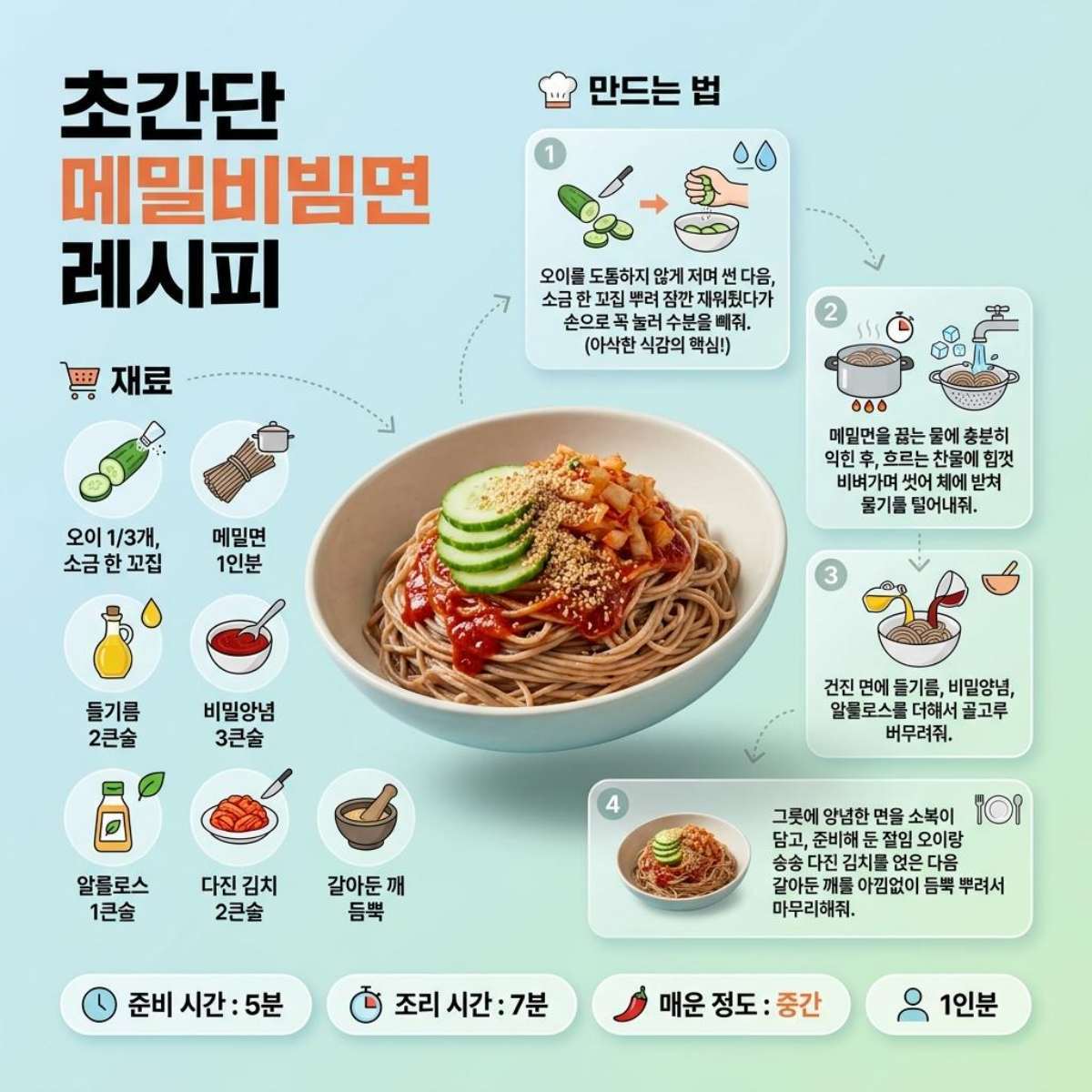
Preparing the ingredients is simple. Slice the cucumber thinly, sprinkle with a pinch of salt, let it sit briefly, then squeeze it by hand to drain the excess water. This step keeps the cucumber crisp. Cook the buckwheat noodles thoroughly in boiling water, then rinse them vigorously under cold running water while rubbing to remove excess starch; drain them in a colander. Toss the drained noodles with perilla oil, the sauce, and allulose until everything is evenly coated. Allulose is a low-calorie sweetener that has less impact on blood sugar than regular sugar, so it’s often used as a sugar substitute in diet-friendly recipes. Serve the seasoned noodles, top with the salted cucumber and finely chopped kimchi, and finish with a sprinkle of toasted sesame seeds. Because the sauce and toppings determine the dish’s total calories and nutrient balance, cut back on high-sodium seasonings and boost the veggie ratio to keep it more diet-friendly.
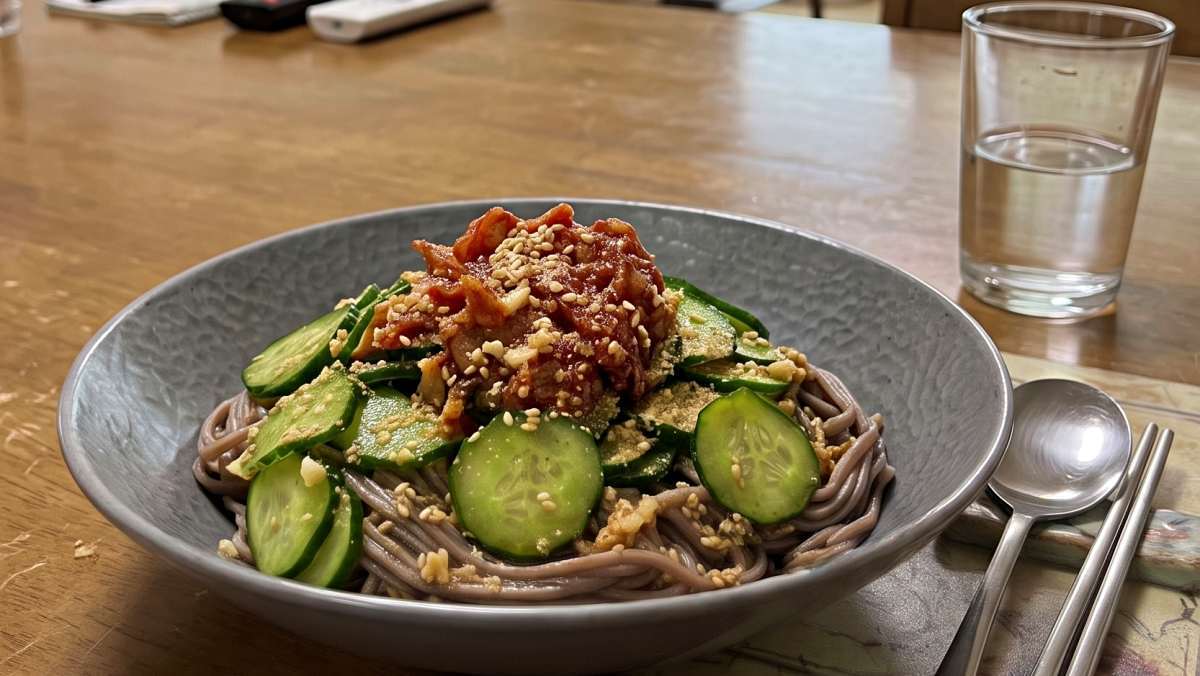
How buckwheat noodles differ from regular wheat noodles
Choosing buckwheat noodles changes the nutritional profile. Buckwheat noodles usually contain more protein than typical wheat noodles and provide a fuller mix of essential amino acids. They also have a lower glycemic index (GI), so they raise blood sugar more slowly—helpful for people tracking blood sugar. Buckwheat contains rutin, a compound linked to stronger blood vessels and potential blood pressure benefits. It’s also high in fiber, which supports digestion and gut health. Pure buckwheat is gluten-free, making it an option for those sensitive to wheat.
That said, many store-bought buckwheat noodle products contain only about 20–40% buckwheat, with wheat flour making up the rest. If you’re choosing buckwheat for health reasons, look for products with at least 50% buckwheat to see a real difference. Calories aren’t dramatically lower than regular noodles, so portion control still matters.














Most Commented