
Discover the Health Benefits of Bangpung Greens: Your Ultimate Guide to Spring Recipes
Daniel Kim Views
Translation result.
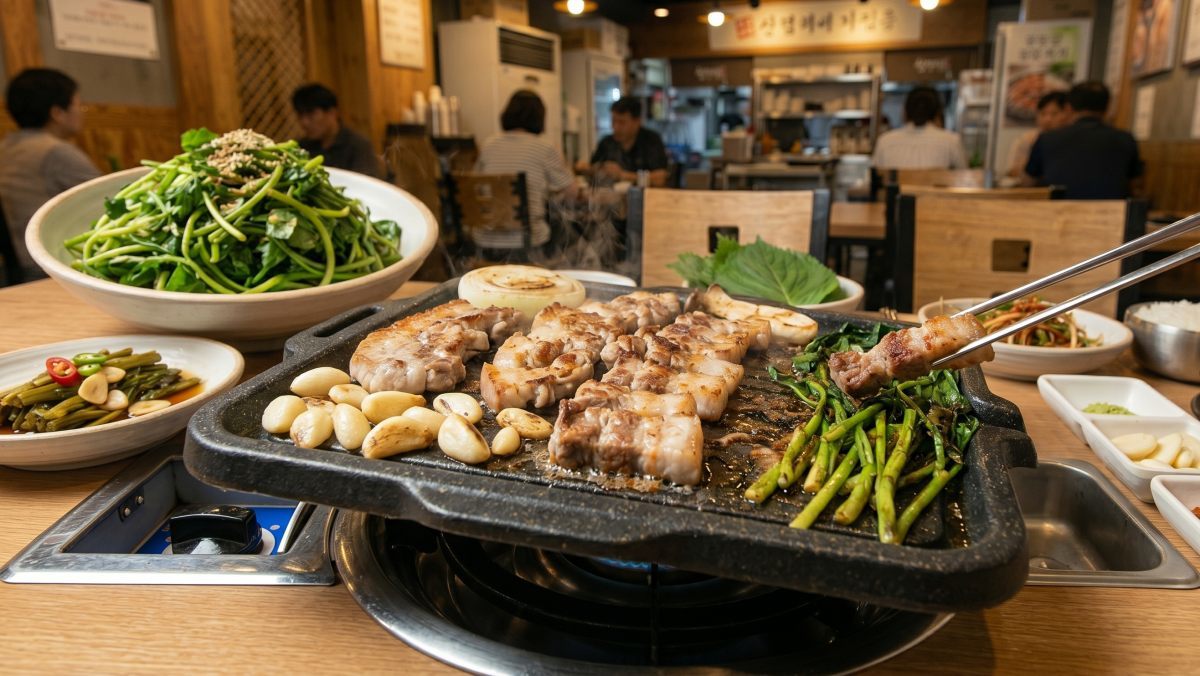
When warm breezes start to blow and trees push out fresh buds, our bodies are always the first to sense the seasonal shift. You might feel a sleepy spring slump and notice your appetite changing — and the first thing that pops up at farmers’ markets and grocery aisles is a wave of vibrant green spring greens.
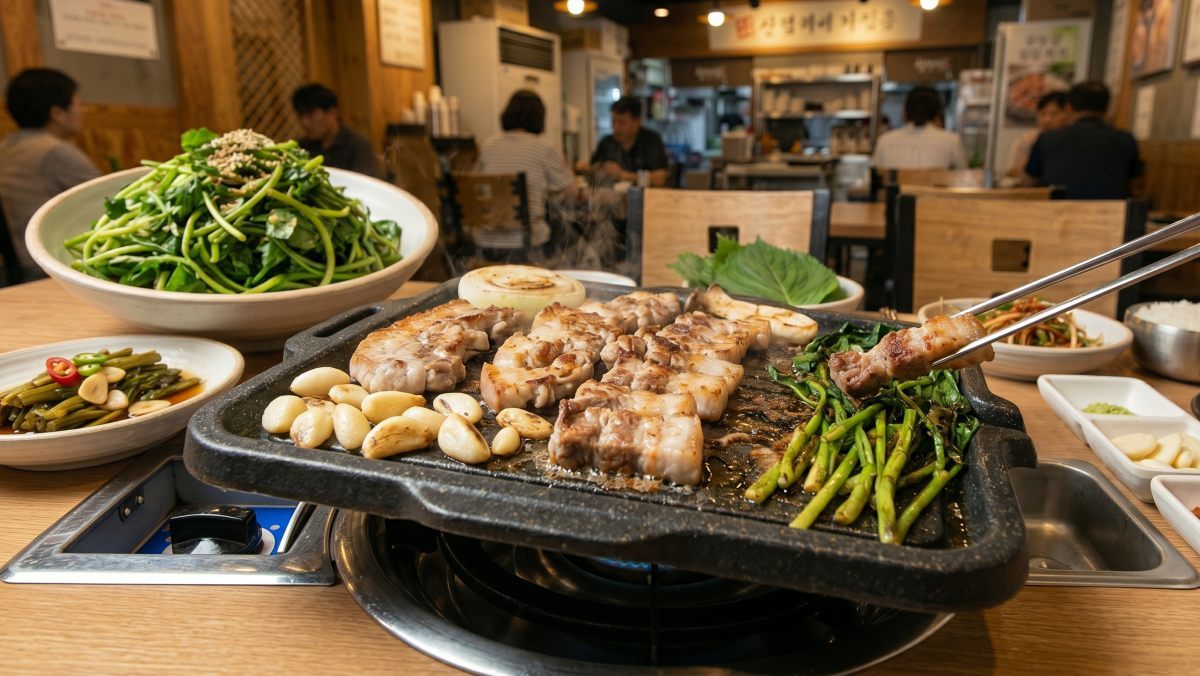
One standout this season is bangpung, a Korean spring green loved for its pleasant bitterness, subtle sweetness, and distinctive aroma. Its name comes from an old belief that the plant could ward off ailments associated with “wind,” which made it a prized ingredient. Nowadays, it’s celebrated not just for health benefits but for its crisp texture and full-bodied scent — and from April onward, there are plenty of delicious ways to enjoy it.
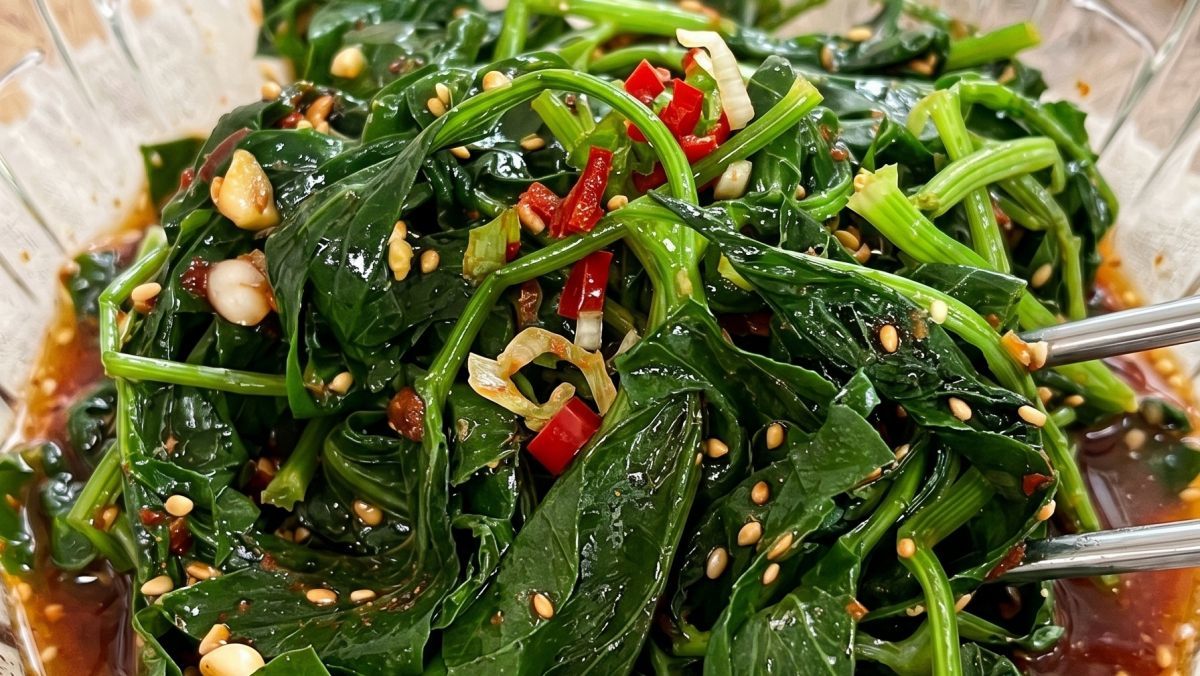
The easiest place to start is with a doenjang-based dressing. Bangpung leaves are thicker and the stems sturdier than many other greens, so instead of eating them raw, blanch them briefly. Bring plenty of water to a boil, add a tablespoon of salt, drop in the tough stems first and then the leaves, and blanch for 1–2 minutes. Rinse immediately in cold water, squeeze out the excess, and toss with a dressing made from doenjang (fermented soybean paste), gochujang, minced garlic, maesil syrup (plum extract), and sesame oil. The warm, savory doenjang mellows the greens’ natural bitterness and turns them into an irresistible side dish.
If you love meat, try bangpung with samgyeopsal — it’s a match made in heaven. A quick jangajji (soy-pickled greens) brings a bright, palate-cleansing tang that offsets fatty pork. Simmer soy sauce, sugar, vinegar, and water, pour the hot brine over prepared greens, and let them marinate for about a day. The pickling softens the texture and adds a lively acidity that keeps each bite feeling fresh.
For kids or anyone who’s put off by strong bitterness, make jeon — Korean-style pan-fried pancakes. Frying turns the greens’ assertive scent into a gentle, toasty flavor and amps up the savory notes. Wash and shake dry the greens, chop them into bite-sized pieces, and mix with a batter made from pancake mix and cold water. Stir in dried shrimp or finely chopped squid for extra umami, if you like. Spoon thin rounds into a hot skillet with plenty of oil and fry until golden and crisp on both sides — perfect as a snack or a shareable bar bite.
Want something a little more special? Try cooking rice with bangpung. Pile plenty of fresh greens over washed rice, use a touch less water than usual, and let the rice steam so the greens’ fragrance infuses every grain. When it’s done, drizzle a little perilla oil around the top and let it rest; the aroma when you lift the lid is pure spring. Mix in a simple soy-based sauce with sliced wild chives or green onions and you’ve got a satisfying bowl that needs no side dishes.
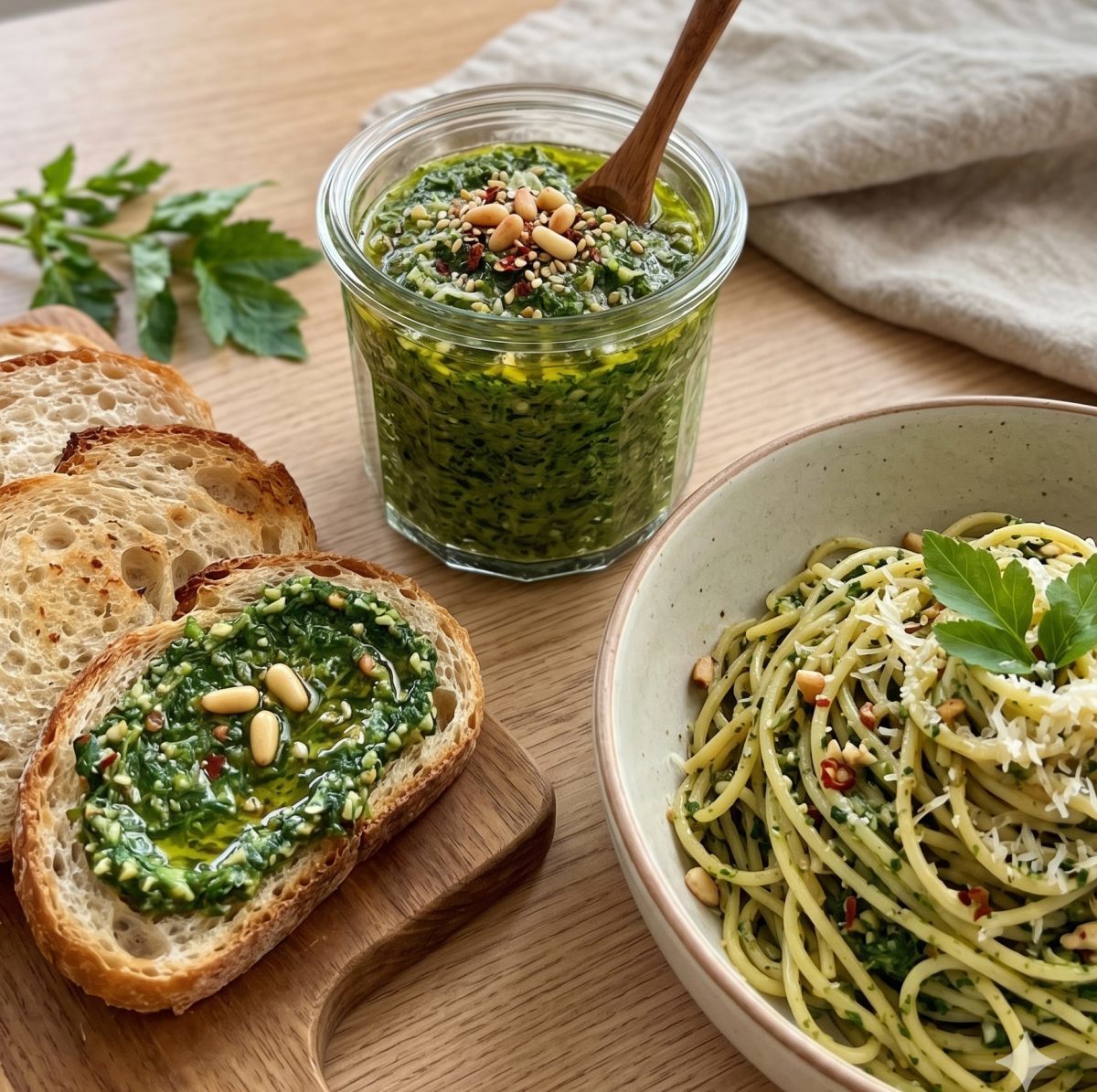
For a Western twist, blend a bangpung pesto. Squeeze the water from blanched greens, then pulse them in a blender with toasted nuts, olive oil, garlic, and grated cheese. Spread it on toast or toss it with pasta for a bright, herb-forward dish. The familiar nuttiness of olive oil meets the greens’ Korean aroma for an unexpectedly elegant flavor.
When selecting bangpung, choose bunches with fresh leaves and stems that aren’t overly thick to avoid toughness. Store it unwashed, wrapped in paper inside a plastic bag in the refrigerator; to keep it longer, blanch briefly, squeeze dry, and freeze. These spring greens push up through winter’s chill with a strong, lively spirit. Their pleasant bitterness can actually perk you up — so this season, bring some bright green bangpung dishes to your table and let a little springtime energy revive your routine.











Most Commented