
Translation result
The landscape of South Korea’s department store scene is shifting.
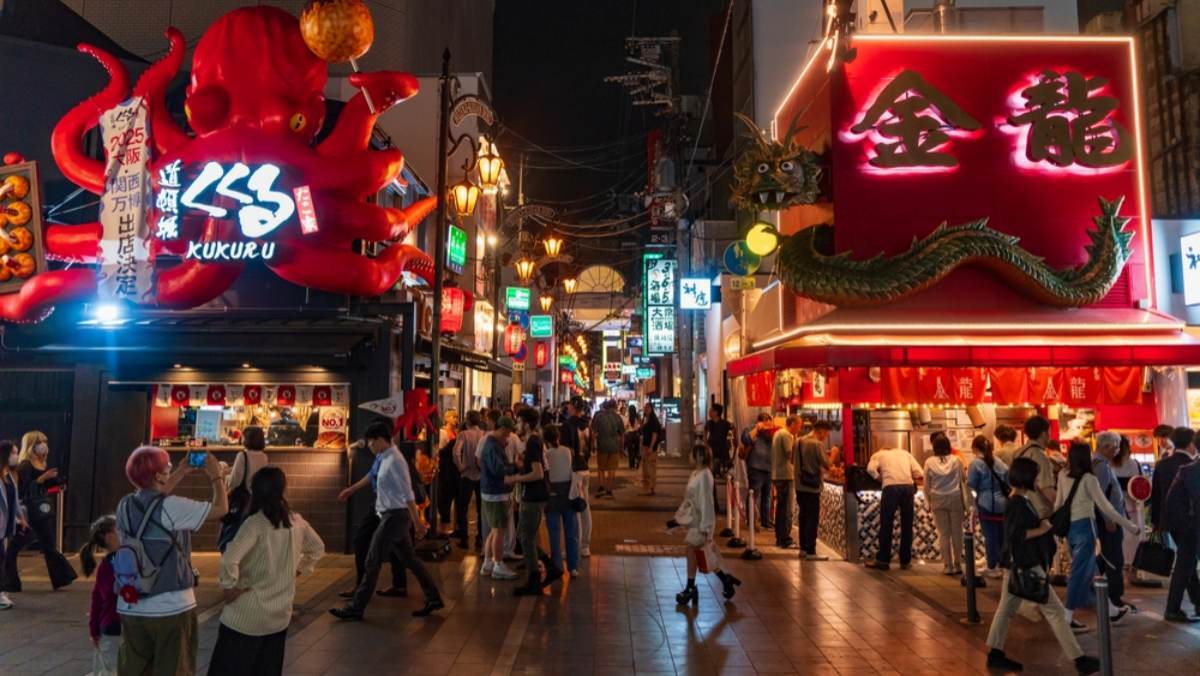
Gone are the days when stores only mimicked a generic Japan-inspired vibe. Retailers are now bringing Japan’s hottest local brands directly to Korea. Pop-up stores from well-known Japanese restaurants and dessert brands have emerged as a powerful weekend draw, becoming a fresh formula for retail success.
Hyundai and Shinsegae massively expand Japan pop-ups… “They’ve become a surefire draw”
Hyundai Department Store’s recent moves have caught attention. Over roughly five months through March, Hyundai hosted five pop-ups featuring Japanese food brands — a dramatic jump from just one during the same period a year earlier. Analysts say the strategy of putting Japanese content front and center during the holiday and Lunar New Year shopping season paid off.
At flagship locations like The Hyundai Seoul and the Apgujeong main store, well-known names lined up — Pie Mania, Imoya Kinjiro, Blank Donut, Denko Seka, and Fukuya. Pie Mania, famed in Japan for its long lines, drew about 6,000 visitors during a two-week event, underscoring explosive demand.
Shinsegae Department Store has been equally aggressive in courting Japanese brands. It introduced sought-after F&B names that often require queuing in Japan, such as Snows, Tokyo Milk Cheese Factory, and Sugar Butter Tree. The Snows pop-up at House of Shinsegae in Cheongdam sold out early every morning. Shinsegae says its buyers scouted Japan in person, increasing the number of Japanese pop-ups from one last year to three this year.
Why now? The “No Japan” era faded, while the weak yen and nearby travel boom took over
There are multiple reasons behind this trend beyond a simple taste shift. First, consumer sentiment has changed. The “No Japan” boycott atmosphere that once stiffened the market has largely faded, easing psychological resistance to Japanese brands.
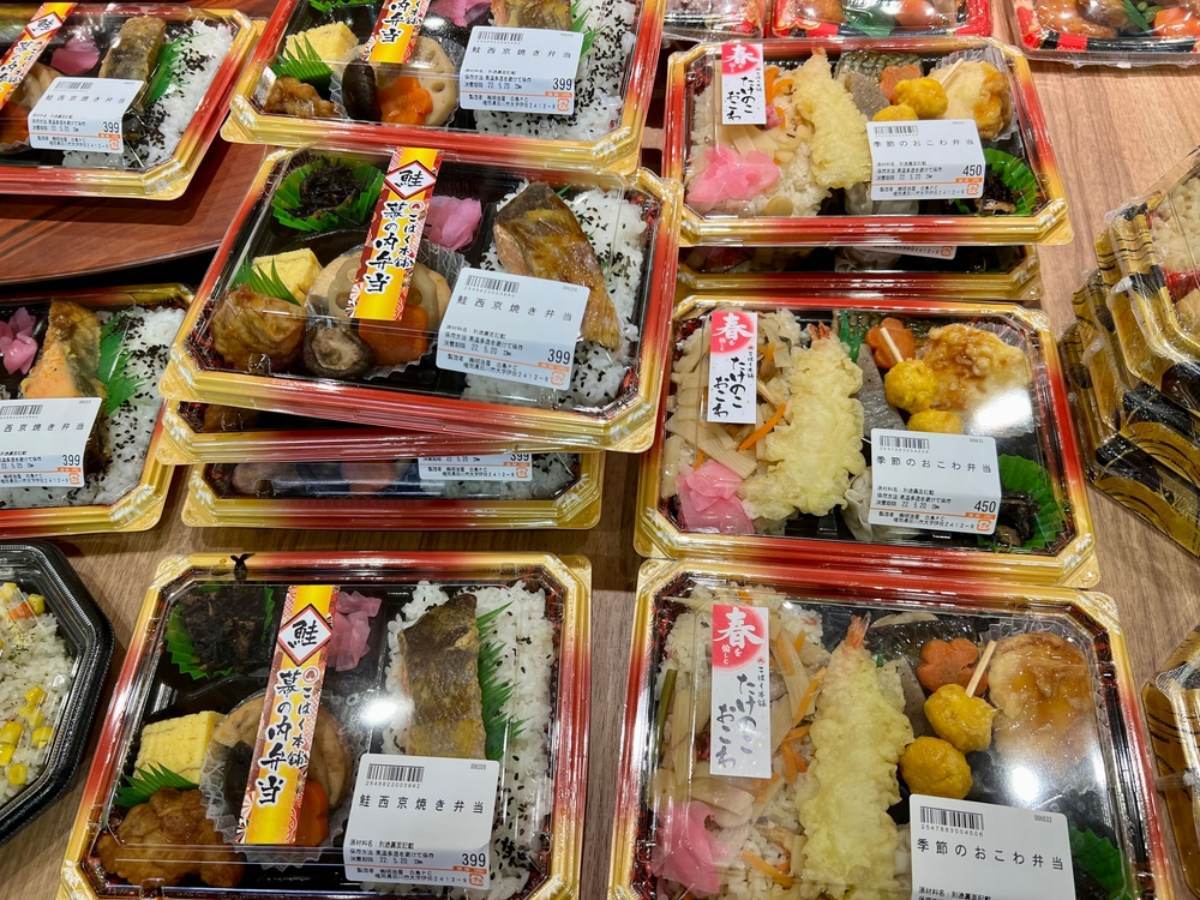
That shift has coincided with a record-weak yen and the normalization of easy, short trips to Japan. As more Koreans travel to Japan, they want to recreate the flavors they tasted abroad when they return. Consumers now seek authentic Japanese brands themselves, not just Japan-inspired styles, and department stores have been quick to respond with differentiated offerings.
In fact, the growing “foodie travel” trend among Millennials and Gen Z has turned department store food halls into mini Japans. From the konbini convenience-store craze to omakase, yakitori, and kushikatsu specialty dining, shoppers are chasing increasingly refined and niche Japanese flavors.
Japanese companies revise strategy: “Korea, not China, is the land of opportunity”
A shift in Japanese firms’ overseas strategy is another hidden driver. China used to be the biggest market for many Japanese companies, but recent geopolitical tensions and a deteriorating business environment there have pushed them to view Korea as an alternative.
Politics played a decisive role. After Prime Minister Sanae Takaichi mentioned possible intervention in a “Taiwan contingency” last November, China applied both overt and subtle pressures on Japanese brands — a trend dubbed restrictive measures against Japan. With growth hampered in China, Japanese food companies have turned to Korea, which shares cultural affinities and closely follows Japanese trends.
For Japanese brands, Korea is more than a sales market — it’s a testbed for global expansion. Success here can signal potential across Asia and beyond, so popular local brands are using department store pop-ups to gauge Korean consumers’ reactions.
Scarcity and authenticity are deciding who wins foot traffic
Retail experts expect competition to source Japanese brands to heat up. In an era when online shopping is the norm, brick-and-mortar department stores need exclusive, in-person experiences that customers can’t get anywhere else.
Pop-ups that recreate the exact taste and atmosphere of the original stores deliver a strong draw. They offer a cultural experience, not just a product. A department store official said, “Brands that combine scarcity and authenticity increase customers’ dwell time and encourage related purchases.”
Ultimately, the current craze for Japanese brands is the result of recovering consumer demand, strategic choices by Japanese companies, and Korean department stores’ push for standout content. The retail industry expects Japan’s footprint in Korea to expand beyond desserts into alcohol, apparel, and lifestyle brands.
Your personalized daily horoscope—how will your day go?











Most Commented