
Translation result
Once a humble sidekick on the dinner table, cabbage is stealing the spotlight.
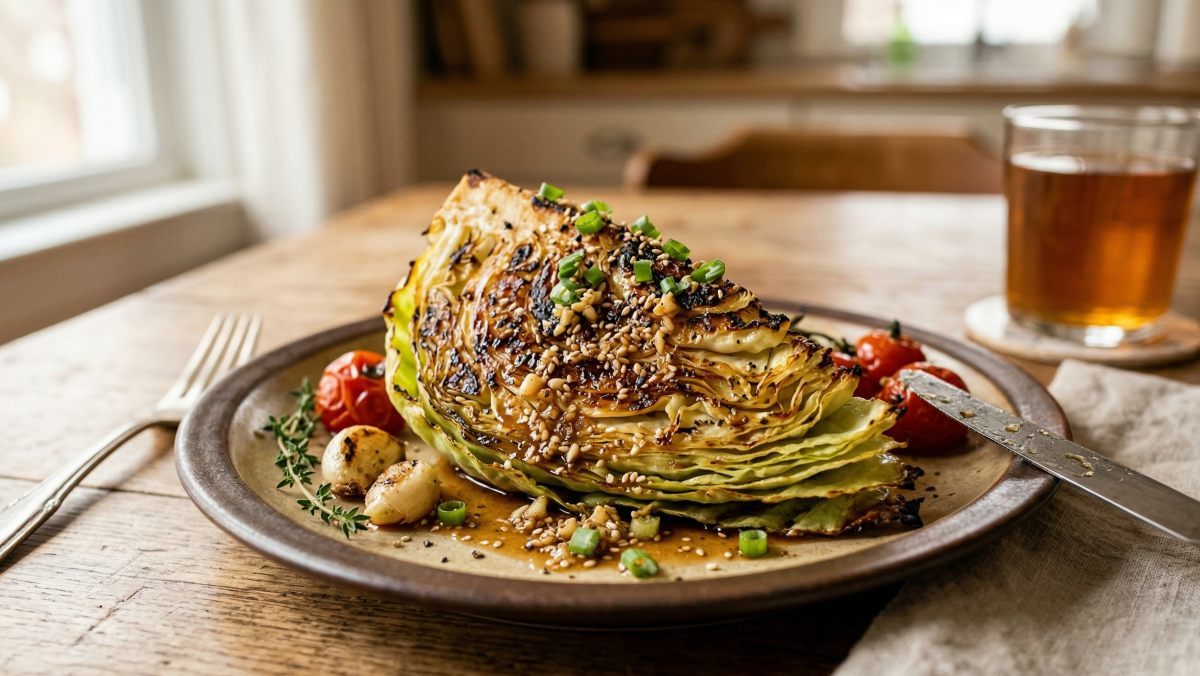
Health-minded foodies have been obsessing over the so-called “cabbage steak” — thick rounds of cabbage seared in a hot pan. The trend caught on because cabbage is inexpensive and easy to find, yet when prepared this way it tastes surprisingly elevated. The finishing touch for many cooks is a Japanese salt-based seasoning called shiotare, which amps up umami and transforms an ordinary vegetable into a memorable dish.
A basic veggie gets a glam makeover: pan-seared cabbage
Cabbage is usually eaten raw for crunch in salads or steamed as a wrap. Pan-searing changes everything. Heat softens cabbage’s sharpness and teases out a hidden sweetness. The result: a crisp exterior and a tender core that can even feel satisfyingly meaty.
Its rise in popularity makes sense: cabbage is packed with beneficial nutrients but low in calories, so you can eat a lot without the guilt. It’s rich in compounds that support stomach health, which makes it a favorite for anyone who often feels bloated. High in fiber, it also fills you up quickly. For people bored of the same old preparations, the grilled approach delivered a delightful surprise.
The flavor linchpin: what is shiotare sauce?
The finishing sauce can make or break grilled cabbage. Of the many options, shiotare pairs perfectly with the vegetable’s natural sweetness. The name combines shio (salt) and tare (sauce) and refers to a Japanese, salt-forward seasoning.
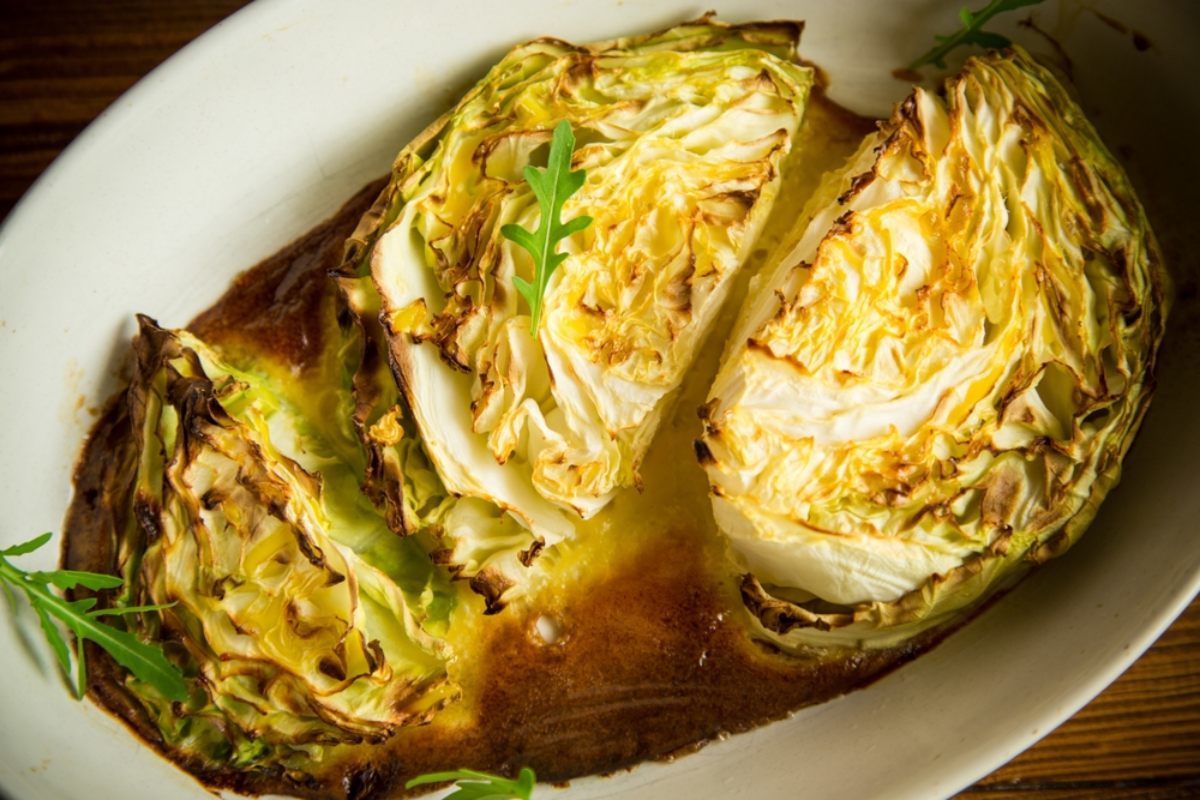
Soy-based sauces tend to be bold and dark, but shiotare is clear and clean, letting the cabbage’s sweetness shine. The salty base highlights that natural sugar, and when you add garlic and sesame oil, the dish fills your mouth with savory depth. It’s not aggressive — just quietly addictive.
How to make shiotare cabbage steak at home
Even kitchen novices can pull this off in about 10 minutes. Below is an easy, step-by-step method anyone can follow.
1. Prepare the cabbage
Slice the cabbage into thick rounds, keeping the core intact. Leaving the core prevents the leaves from falling apart and helps the wedge hold its steak-like shape. Aim for about 2–3 centimeters (roughly 0.8–1.2 inches) thick for the best texture.
2. Sear until golden in a pan
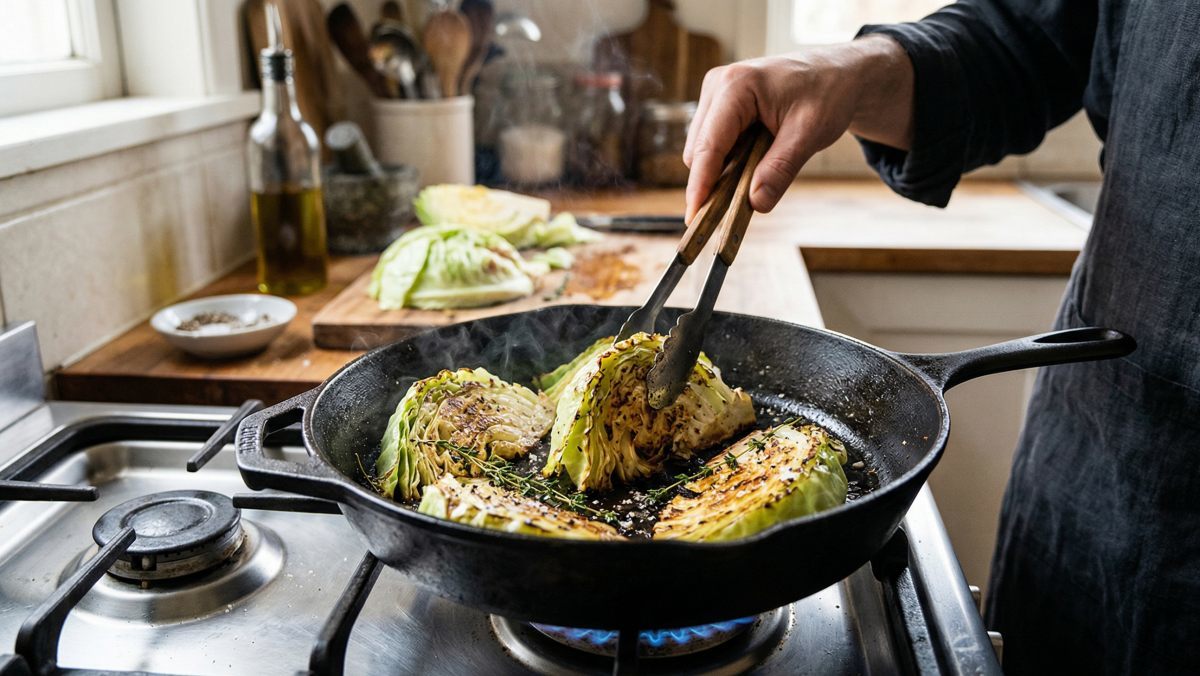
Heat a pan and add a generous drizzle of oil, then lay the cabbage wedges in the pan. Resist the urge to flip them constantly — let one side develop a deep golden brown. A slight char brings out a toasty, savory flavor. When that side is done, carefully flip and brown the other side.
3. Cook through until tender
Because the wedges are thick, the outside can brown before the center softens. Add a spoonful or two of water to the pan and briefly cover it. The steam will gently finish cooking the core. After about 1–2 minutes, the cabbage should look slightly translucent and be tender all the way through.
4. Make and drizzle the shiotare sauce
While the cabbage cooks, mix the shiotare: 1/2 tablespoon salt, 1 tablespoon minced garlic, 1 tablespoon sesame oil, and a pinch of black pepper. Crushing and adding sesame seeds amps up the nuttiness. Just before you turn off the heat, drizzle the sauce evenly over the cabbage. As the salt melts and the garlic aroma blooms, switch off the heat and serve.
Tips to enjoy it even more
Grilled cabbage is delicious on its own, but a few add-ons can take it to the next level.
First, serve with grilled bacon or thin-sliced pork belly. If plain veggies feel a little light, sear thin slices of meat alongside the cabbage — the rendered fat will soak into the cabbage and deepen the flavor.
Second, add cheese. A handful of shredded mozzarella added near the end will melt over the cabbage, marrying shiotare’s saltiness with creamy cheese for a kid-friendly, craveable snack.
Finally, pair it with a cold beer or a refreshing drink. The salty, savory shiotare cabbage makes an excellent bar snack and a lighter alternative to heavier fried options.
Check your daily personal horoscope! How will your day go?










Most Commented