
Translation result
A surprising bibimbap shortcut that cuts out the tedious slog of sautéing and seasoning greens—and gets everything done in just 3 minutes—has gone viral. The YouTube channel ‘Our Home Today’s Cooking’ unveiled a healthy method that uses no oil and relies solely on a steamer to concentrate the vegetables’ natural flavors. It’s the perfect, low-fuss option for busy people who want convenience and a gentle, waist-friendly meal.
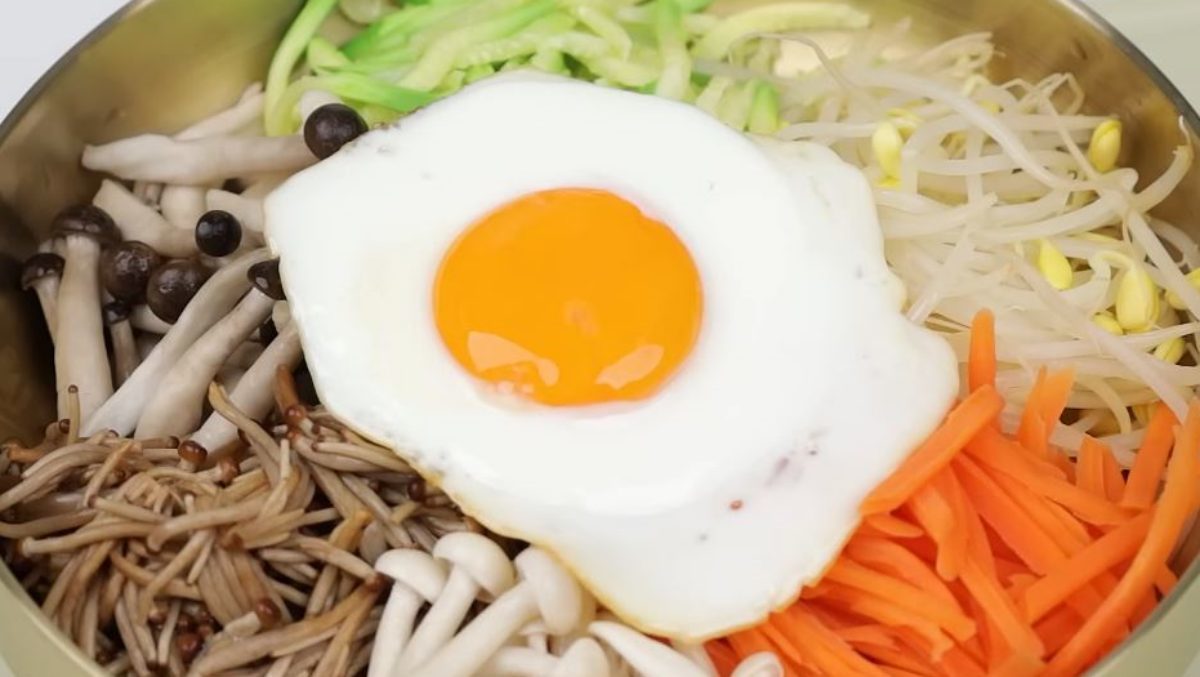
3-minute steaming that preserves texture and nutrients
This recipe makes two servings. Julienne half a zucchini and half a carrot (about 100 g / 3.5 oz each). Rinse 100 g (3.5 oz) of bean sprouts and drain them. Lightly rinse 200–300 g (7–10 oz) of mushrooms—enoki or golden needle mushrooms work well—depending on your preference. Put all the prepared vegetables into a steamer and steam for 3 minutes once the water reaches a boil.
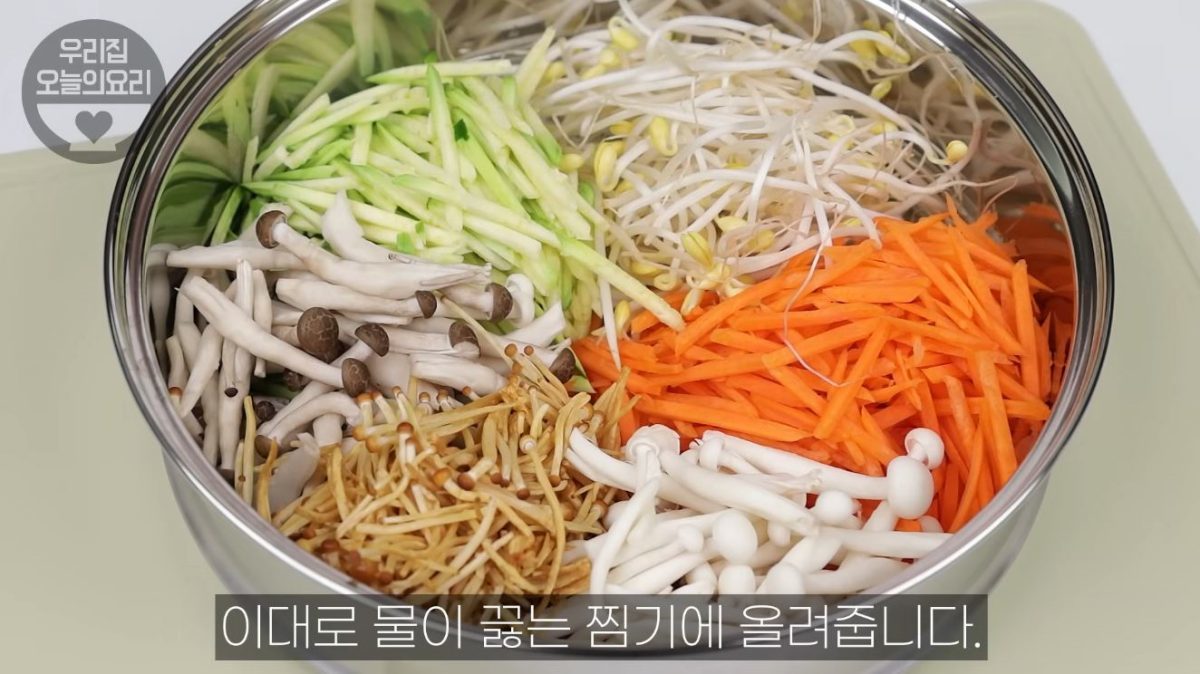
The key is not to salt the vegetables while steaming. Salt draws out moisture through osmosis, which can make the vegetables soggy. Steaming them plain preserves their natural sweetness and crisp bite. Because steaming brings out more sweetness than stir-frying, you’ll often find you don’t need to add sugar to the sauce.
![[Illustration] Vegetables steaming in the steamer. AI-generated stock image.](https://contents-cdn.viewus.co.kr/image/2026/04/CP-2022-0028/image-edd3e7af-db8c-4487-b2a2-9fbe42abd334.jpeg)
Sauce that amps up the ingredients’ natural sweetness
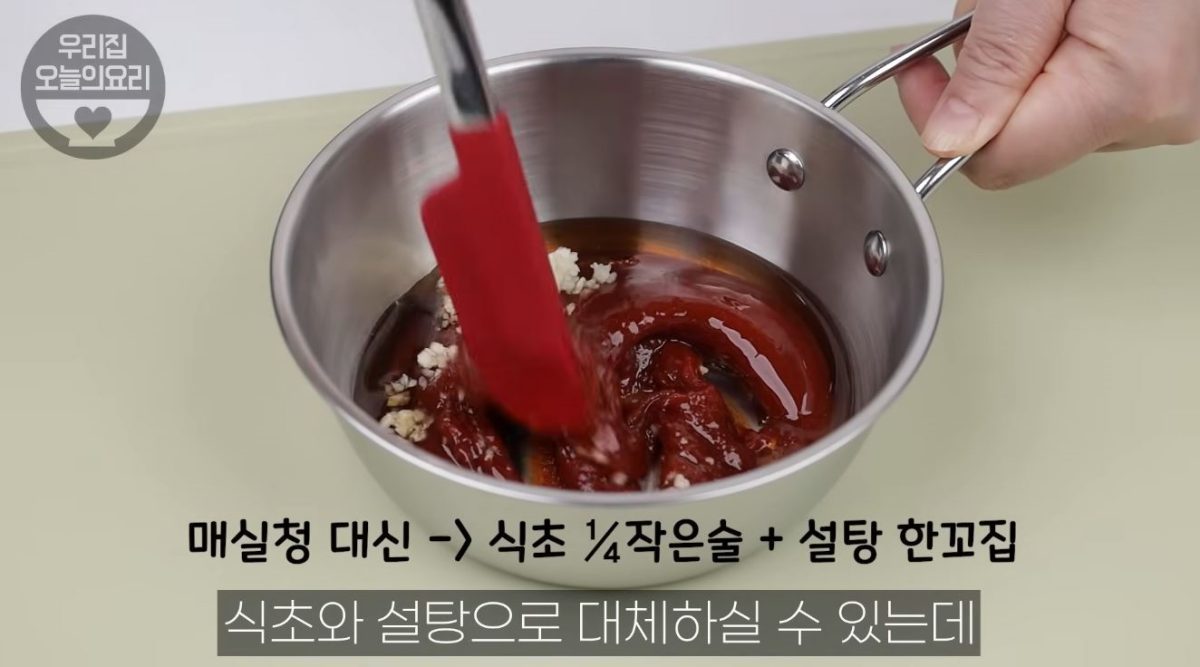
The sauce that defines this bibimbap blends 3 tablespoons of gochujang, 1 teaspoon minced garlic, 1/2 teaspoon soy sauce, 1/2 teaspoon maesil-cheong (plum syrup), and 1 tablespoon sesame oil. If you don’t have maesil-cheong, replace it with a tiny splash of vinegar plus a pinch of sugar. Stirring sesame oil into the sauce ahead of time helps it coat the vegetables evenly when you mix everything, creating a smoother, more harmonious flavor.
![[Illustration] Making the signature sauce. AI-generated stock image.](https://contents-cdn.viewus.co.kr/image/2026/04/CP-2022-0028/image-4822e2a7-5180-4a3c-8107-b4d43a3b9e02.jpeg)
Finishing tip: control moisture to boost the final result
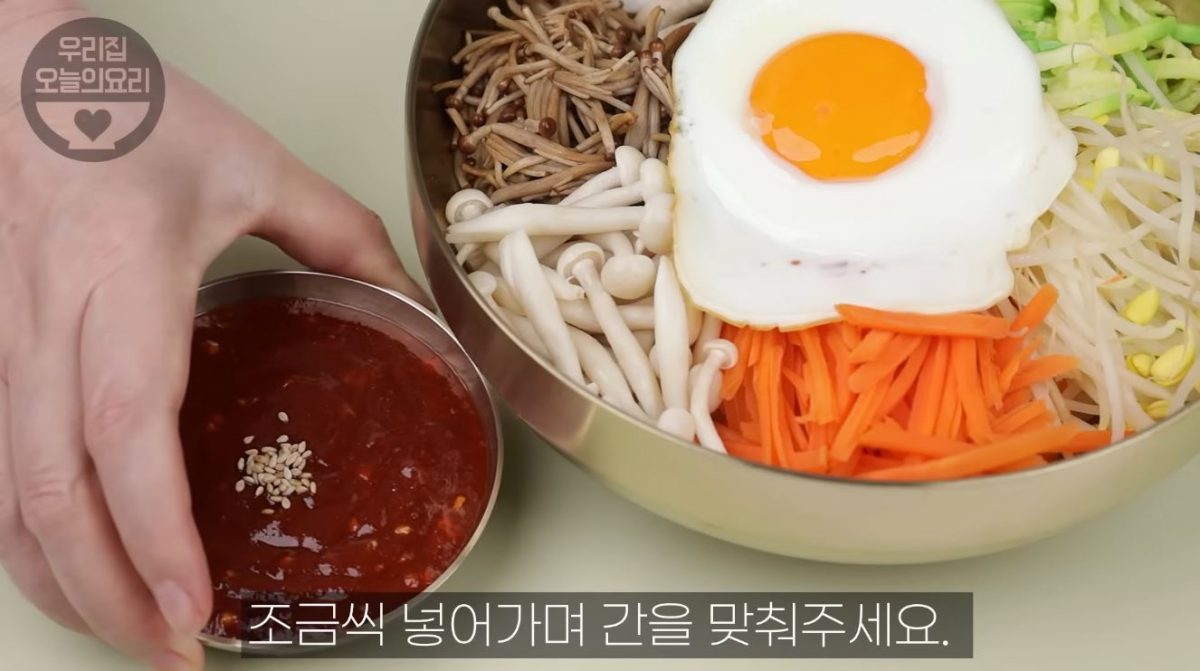
When the vegetables are done, remove them from the steamer and let them cool briefly. If you pile steaming-hot vegetables directly onto rice, the extra moisture will soak into the grains and make them soggy. Arrange the steamed vegetables over rice and top with an egg if you like. Add the sauce gradually, tasting and adjusting as you go. This streamlined method is fast, delivers a clean, oil-free taste, and makes for a comforting, easy-to-digest meal.
A bowl of harmony: bibimbap, Korea’s beloved comfort food
Bibimbap is a classic Korean dish of rice mixed with various vegetables and seasonings. Its name literally fuses “to mix” (bibida) and “rice” (bap). It’s one of the most familiar and cherished dishes on Korean tables. People love bibimbap not only for its flavor but for the layered, rich taste that comes from combining diverse ingredients.
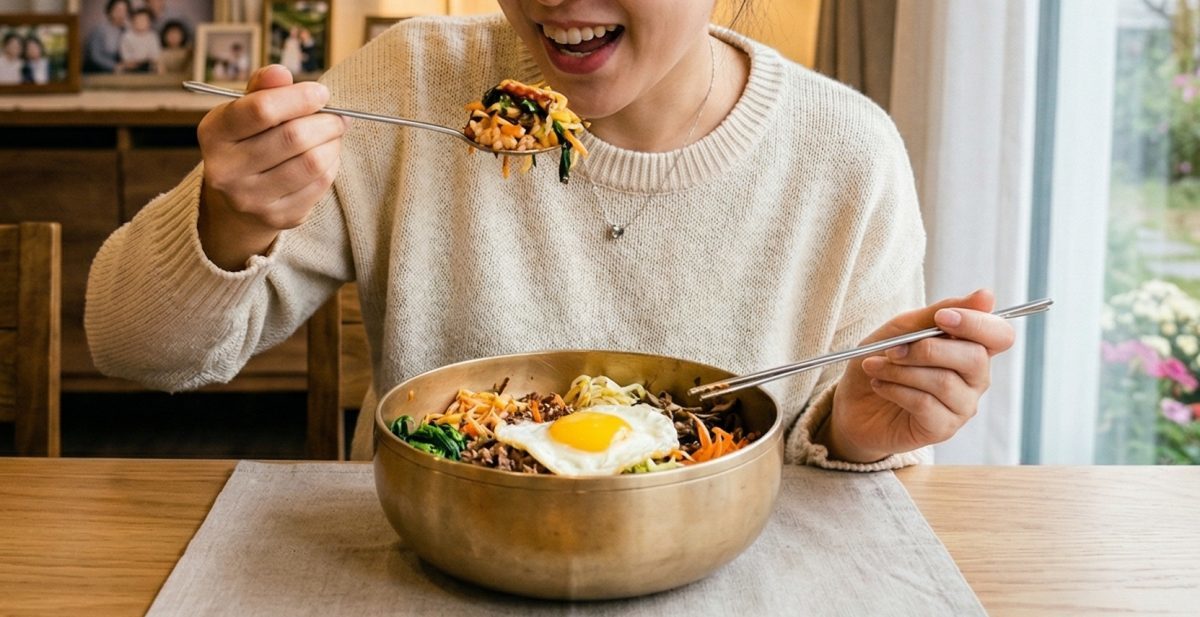
The biggest appeal of bibimbap is its harmony of flavors. Spicy gochujang, nutty sesame oil, and crunchy vegetables combine in the mouth to create a complex, savory experience. Bibimbap also delivers balanced nutrition: rice provides carbs, vegetables supply vitamins and fiber, and an egg or meat adds protein—together they make a satisfying, wholesome meal.
Bibimbap also reflects Korea’s warm communal culture. Families gathering to mix rice in a big bowl and share it is a familiar scene. That accessibility has helped bibimbap become not only a beloved home dish but also a popular in-flight meal worldwide. Its mild, healthy flavor appeals to all ages, which is why it’s been a favorite for generations.
Get your daily personal horoscope—what will your day bring?












Most Commented