
Translation result.
Kongnamuljeon (bean-sprout pancake) is a classic side dish found in Korean home cooking. Its ingredients are simple, but it delivers both nutrition and flavor—which is why it becomes especially popular in spring.
The main ingredient, bean sprouts, are low in calories and rich in protein, vitamins, and minerals, so they support weight management and overall health. Bean sprouts are also high in asparagine, which can help blood circulation and ease fatigue, making them an ideal choice for replenishing energy in the spring.
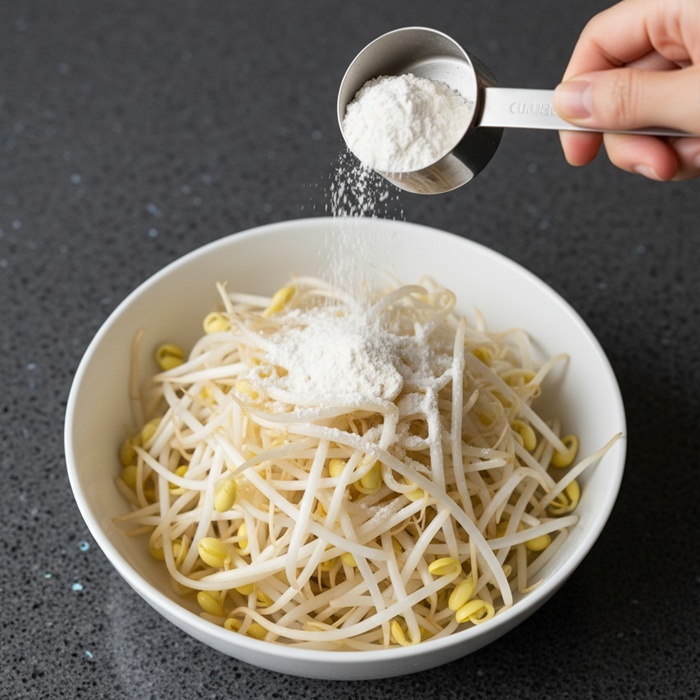
Making kongnamuljeon is straightforward, and it’s an easy way to prepare a nutritious side at home. You basically need bean sprouts, flour or Korean pancake mix (buchim-garu), eggs, salt, and cooking oil. Add vegetables like cheongyang peppers, carrots, or chives to boost flavor and texture. After removing some of the sprouts’ moisture, mix them with the pancake mix and eggs, then fry in a pan to get a crispy outside and tender inside. Using minimal oil while frying keeps the calorie count down.
The dish’s nutritional value isn’t limited to the sprouts. Adding eggs raises the protein content, so kongnamuljeon works well for growing kids, active adults, and older adults alike. The dietary fiber in bean sprouts supports gut health, making the pancake a gentle, easy-to-digest breakfast option. Keep salt to a minimum and serve with a simple dipping sauce—soy sauce, a splash of vinegar, and minced garlic—for flavor without excess sodium.
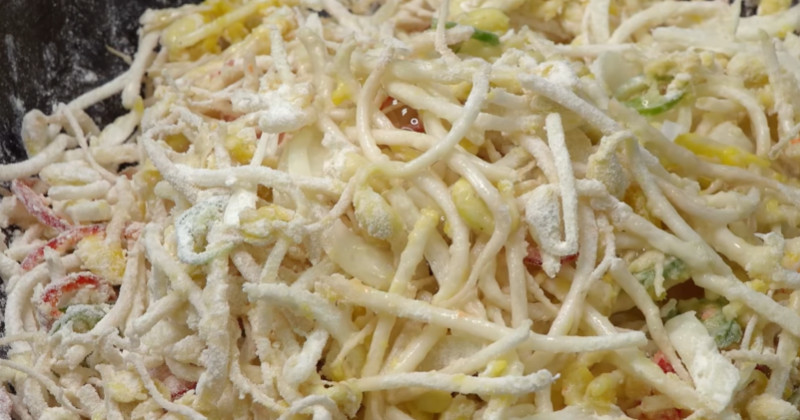
Kongnamuljeon is easy to vary by season and ingredient. In spring, pair it with mugwort, wild chives, or other seasonal greens for a fragrant lift. In summer, add water-rich vegetables like tomatoes or zucchini for a refreshing twist. In winter, frozen bean sprouts work fine—toss in onions or bell peppers for color and crunch. Combining different vegetables can turn the pancake into a well-balanced meal on its own.
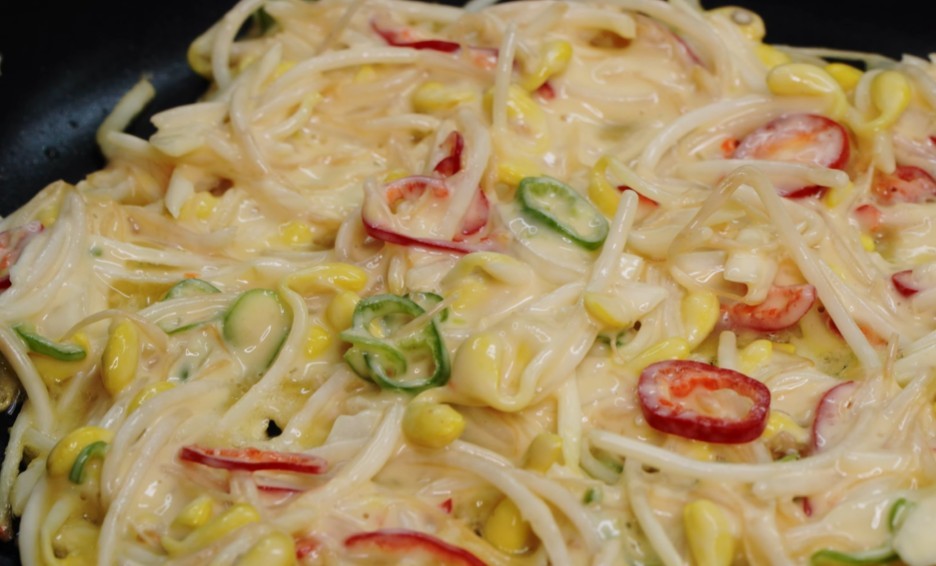
From a health perspective, kongnamuljeon scores well. Bean sprouts are rich in vitamin C, which supports immunity, and their isoflavones have antioxidant properties that research suggests may help slow aging. Because they’re low in calories yet filling, bean-sprout pancakes are a smart choice for people watching their weight. Controlling the amount of oil when frying keeps calories low without sacrificing that nutty, savory flavor—making kongnamuljeon a reasonable option even for diet plans.
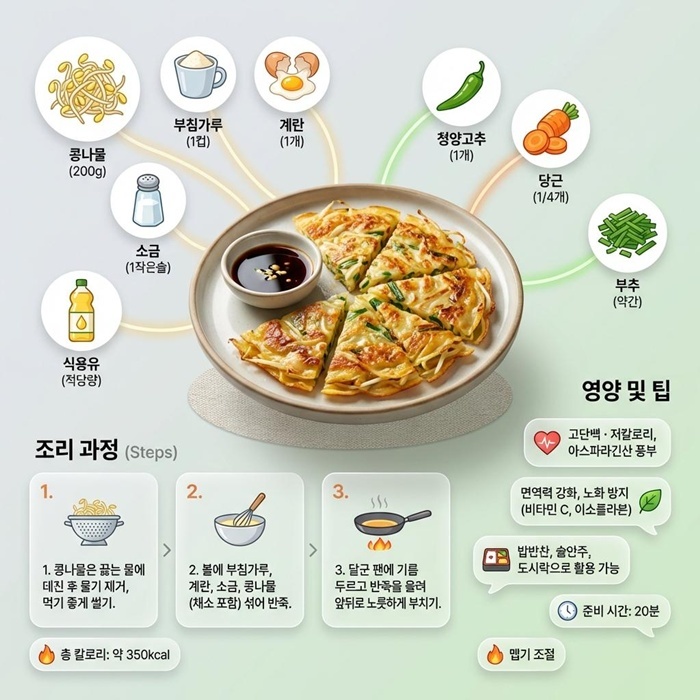
Beyond taste and health, kongnamuljeon is appealing because it lets you get creative in the kitchen. Play with the length and amount of sprouts, tweak the egg-to-flour ratio, swap in different vegetables, or adjust seasonings to match your household’s preferences and fitness goals. Making it with young kids—letting them help wash and chop veggies, mix batter, and fry under supervision—builds cooking skills and gently teaches healthier eating habits.
It’s not just a side dish, either. Kongnamuljeon makes a simple, satisfying bar snack—especially with a cold beer, when the crisp, savory flavors really shine. For lunchboxes, cut the pancake into bite-sized pieces and briefly reheat them in a lightly oiled pan to restore texture. Leftovers freeze well—thaw and reheat for a quick, convenient meal that fits busy modern life.
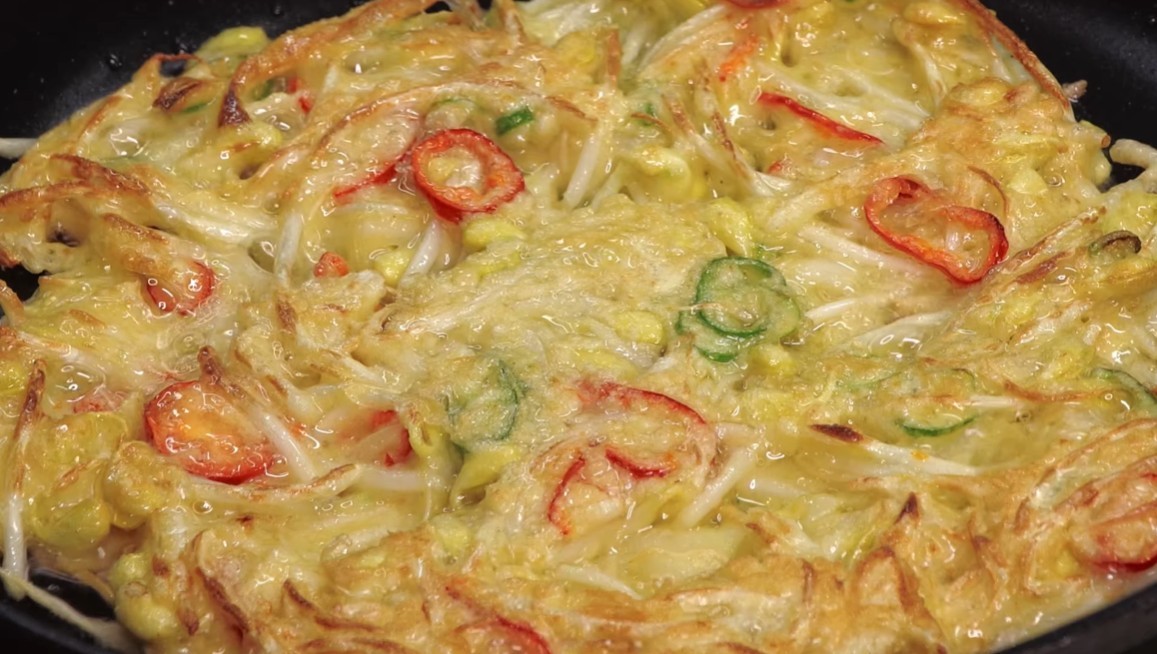
There are a few pitfalls to watch for when cooking kongnamuljeon. If the sprouts release too much water, the pancake can fall apart or turn soggy. To prevent that, blanch the sprouts or squeeze out excess moisture before mixing, and use the right proportions of pancake mix and eggs. Also, avoid over-seasoning with salt or heavy sauces to keep the dish healthier.
In short, kongnamuljeon is a healthy, versatile side—low in calories, high in protein, and rich in vitamins and fiber—that people of all ages can enjoy. It adapts to seasonal ingredients, suits everyone from kids to seniors, and works as a side, lunchbox item, or snack. Its simple ingredients and easy preparation make it an especially convenient dish to cook at home.
Your daily personalized horoscope report! Wondering how your day will go?











Most Commented