
죽토자 vs. Other Spring Greens: What Makes This Uljin Delicacy a Must-Try for Health Enthusiasts?
Daniel Kim Views
Translation result.
One of Ulleungdo’s prized spring greens, grown on the island and considered a seasonal luxury, juktoja has started appearing on tables again this year.
Raised in Ulleungdo’s pristine natural environment, juktoja is treasured locally for its rarity and distinctive aroma. It’s especially special because it’s available only in spring. The green’s scent and texture shine on their own, so a quick blanch or a light sauté is enough to bring out its full flavor. Locals have long enjoyed it as a restorative spring dish that jump-starts the appetite.
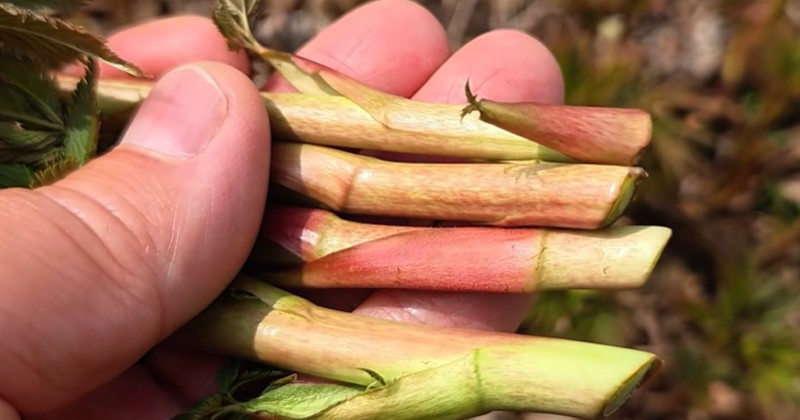
What makes juktoja stand out is its firm yet tender bite and its subtle fragrance. Compared with other spring greens, it has a sturdy texture that releases a toasty, nutty flavor as you chew—making it perfect as a table side or a seasoned vegetable dish. Thanks to Ulleungdo’s clean soil and sea breeze, locals say juktoja outshines similar greens from other regions in both taste and nutrition. Unlike other spring picks like stonecrop or aster greens, juktoja keeps its pleasant chew longer and has almost no bitterness or off-note, so everyone from kids to grandparents can enjoy it.
There are plenty of ways to prepare it. The simplest is a quick blanch, then dress it with cho-gochujang (spicy chili dipping sauce), salt, or sesame oil to preserve the green’s natural aroma and texture. For a stir-fry, toss it briefly with a little garlic and neutral oil or sesame oil to amplify its sweetness and fragrance. Lately, cooks have been using juktoja in doenjang (soybean paste) soup, bibimbap, rolled omelets, and more—and you’ll even find it on upscale Korean restaurant menus.
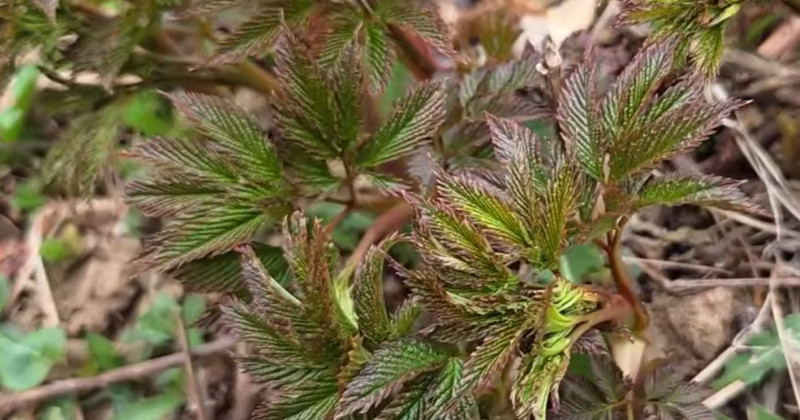
Nutrition is another edge for juktoja. It’s rich in vitamins A and C, calcium, iron, and antioxidants, which can help boost immunity and ease spring fatigue. Its iron and calcium help with anemia prevention and bone health, while its dietary fiber supports digestion and gut health. These benefits help explain why Ulleungdo residents have cherished juktoja for generations.
When selecting juktoja, pick leaves that look fresh and glossy. Fresh bunches have firm stems and leaves that don’t crumble easily, and they give off a gentle, clean aroma. Trim off the roots and cut the stems and leaves to size before cooking. If you blanch it, add a pinch of salt to boiling water and cook for just 1–2 minutes—this keeps the texture and aroma alive. Overcooking makes the leaves soft but dulls their flavor and chew.
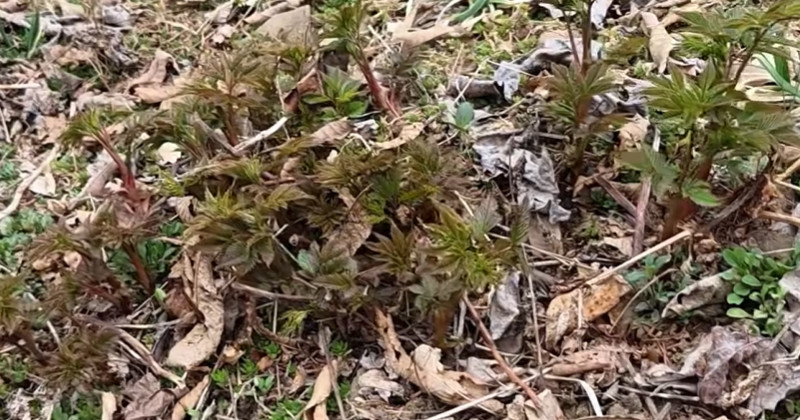
Because juktoja already offers a natural sweetness and aroma, keep seasonings light. A little salt, sesame oil, garlic, and a splash of soy sauce are often all you need. Whether prepared as a stir-fry or a seasoned side, it works beautifully as a meal accompaniment or a snack with drinks. Recently, juktoja has been sold in premium side-dish sets and health-food formats, which are popular with Ulleungdo visitors and people buying greens as gifts.
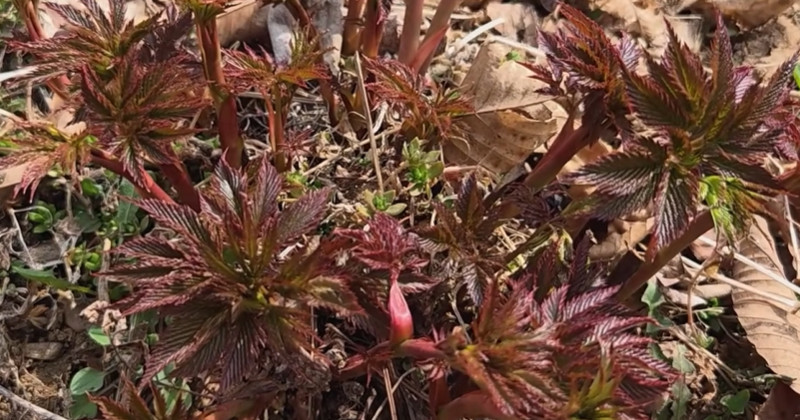
In spring, it’s common to see residents climbing Ulleungdo’s slopes to harvest juktoja. For locals, gathering greens in the island’s clean nature is both a long-standing cultural practice and a way to care for their health. The harvested greens make their way to local restaurants and home tables, supporting the island’s economy. Visitors can buy fresh juktoja on-site or try dishes made with it to experience its distinctive aroma and flavor.
As more recipes featuring juktoja spread, it’s gaining nationwide attention as a premium spring green. Beyond simple seasoning or stir-frying, chefs are using it in dishes like juktoja bibimbap, juktoja pancakes, and juktoja mixed rice—showing it’s a versatile ingredient that delivers both taste and health perks. Visually, its fresh green hue and subtle texture also elevate the look of a dish, making meals feel more complete.
Your daily personal horoscope report! How will your day go?











Most Commented