
Translation result
When you want an easy, satisfying meal at home, kimchi fried rice is always a winner.
All you need is kimchi and rice, but one small extra step makes a huge difference: making scallion oil first. Scallion oil does more than add aroma. Gently frying scallions in oil releases a toasty scent and savory depth that define the dish. Without it, kimchi fried rice can taste a bit flat.
The ingredient list is delightfully simple: fresh scallions, well-fermented kimchi, rice, a neutral oil or sesame oil, soy sauce, a pinch of sugar, and black pepper. Toss in ham, bacon, an egg, or whatever vegetables you have on hand to bulk it up and boost the nutrition. Look for kimchi that’s a little aged so its sweet-and-sour balance adds more complexity to the dish.
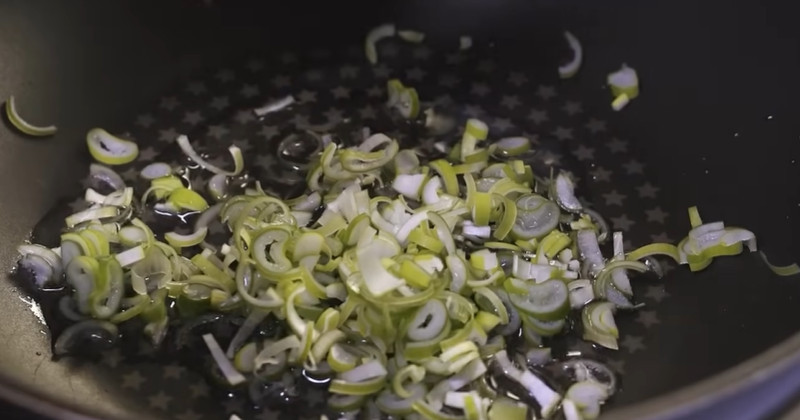
The first, most important step is making scallion oil. Heat your pan with oil, add finely chopped scallions, and sweat them over low heat. As the scallions lose moisture, their flavor infuses the oil and the pan fills with a gentle, savory aroma. That oil is what lets the rice, kimchi, and vegetables soak up scallion flavor during the stir-fry. When the scallion and oil meld perfectly, the whole dish takes on a richer, nuttier profile.
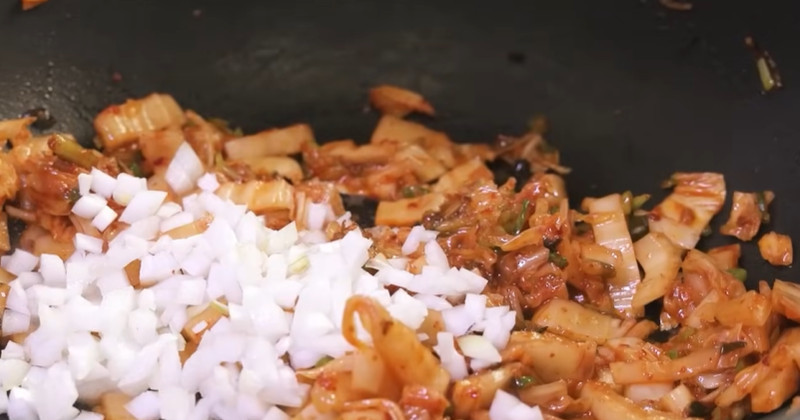
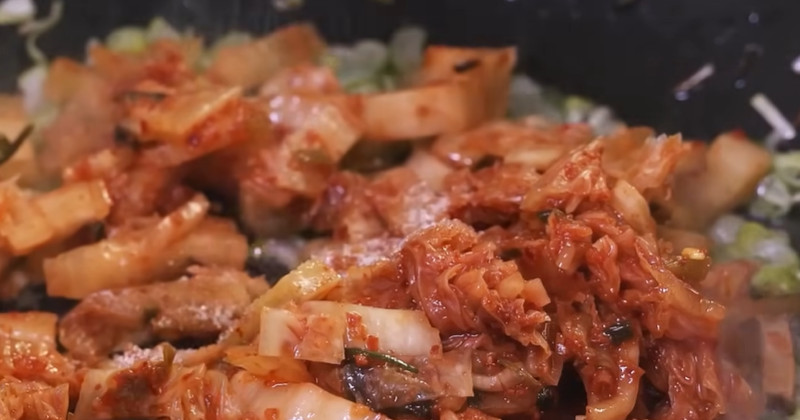
Once the scallion oil is ready, add your ingredients in order and stir-fry. Chop the kimchi to bite-sized pieces and add diced ham or bacon, onion, and carrot if you like. Cook veggies just until they soften—you want them to stay slightly crisp. Fry the kimchi long enough for its sweet and tangy notes to bloom, then fold in the rice so everything blends and the flavors pop.
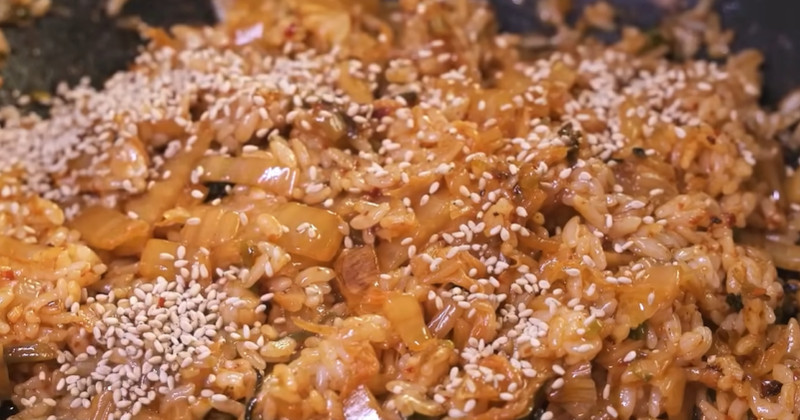
When you add the rice to the pan with kimchi, veggies, and scallion oil, keep the heat at medium and stir slowly so the seasoning distributes evenly. Adjust flavor with soy sauce, sugar, and pepper—soy sauce brings color and umami, sugar tames kimchi’s acidity, and pepper adds a gentle warmth and aroma. Finish with a drizzle of sesame oil for extra toasty richness and a sprinkle of toasted sesame seeds for texture.
Scallion oil matters because it doesn’t just scent the dish—it lifts every ingredient. When scallion flavor soaks into each grain of rice, the fried rice develops that deep, savory quality you crave. That simple step turns humble ingredients into something that tastes much more refined. Scallion oil also softens kimchi’s sharpness, making the dish easier and more enjoyable to eat.
The whole process takes about 15–20 minutes, but with the right scallion oil and ingredient balance you can make an impressively flavorful meal at home. Top it with a fried egg or a sprinkle of crushed seaweed for extra texture and visual flair. Fried rice is also perfect for using up leftovers, cutting down food waste while delivering a quick, satisfying meal.
Nutritionally, kimchi fried rice has perks. Kimchi is packed with probiotics and vitamins that support gut health and immunity, and scallions contain allicin, which can help circulation and recovery from fatigue. Add ham or eggs for protein, and you’ve got a balanced plate. Use oil sparingly and mix ingredients evenly to keep it lighter.
Kimchi fried rice is simple but full of flavor, and tiny details make a big difference. Start with scallion oil, follow the right stir-fry order, season thoughtfully, and finish with sesame oil and toppings—then you’ve got restaurant-level kimchi fried rice at home. It’s the perfect quick, nourishing choice for busy schedules.
At its core, kimchi fried rice proves that a few basic ingredients and a short cook time can deliver a truly satisfying meal. Making scallion oil first adds aroma and umami to the rice and mix-ins, so even at home you can enjoy deep, layered flavor. With kimchi, rice, vegetables, and a couple of optional add-ins, you can create a balanced dish that’s ideal for busy professionals or solo diners. A little care and one extra step can elevate ordinary kimchi fried rice into a cozy, standout home-cooked meal.
Get your daily horoscope report—what will today bring?











Most Commented