
How to Make Gochoo Jang-Durup Pickles: A Step-by-Step Guide for a Delicious Side Dish
Daniel Kim Views
Translation result
As one of spring’s signature wild greens, dureup (Korean angelica shoots) is often preserved as jangajji — and a version made with gochujang instead of soy sauce is gaining attention as a bold, refreshing twist.
While jangajji is typically soy sauce–based, gochujang brings a spicy, fermented depth that pairs beautifully with dureup’s distinctive aroma. It also mellows the shoots’ natural bitterness, turning them into a flavorful, crave-worthy side for rice.
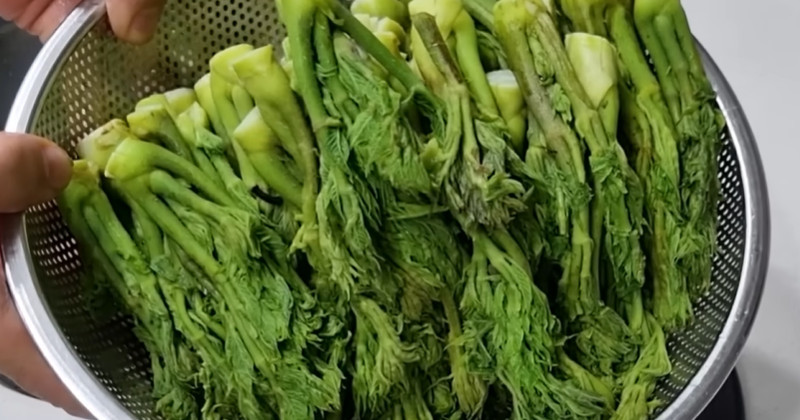
The main perk of gochujang-based dureup jangajji is its balanced flavor. Soy-based pickles lean on salty and sweet notes, whereas gochujang — a blend of fermented soy and chili — delivers umami, heat, and a touch of sweetness in one. That mix tames bitterness while kick-starting your appetite. And because gochujang is thick, it clings to the shoots so the flavor stays consistent over time.
Prep matters. Trim off the tough base, peel any loose outer skin, and rinse the shoots under running water. Bring a pot of water to a boil, add a pinch of salt, and blanch the shoots for about 30 seconds to 1 minute. Blanching reduces bitterness and softens the texture. Immediately dunk them in cold water to lock in color, then drain thoroughly.
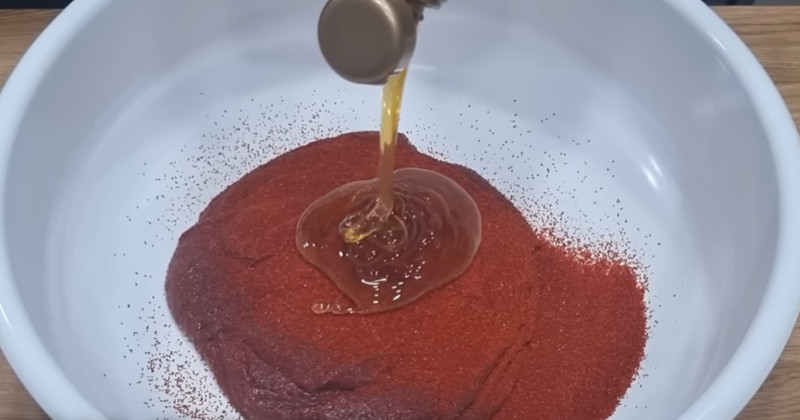
For the sauce, mix gochujang with soy sauce, vinegar, sugar, minced garlic, and corn syrup. A common ratio is 3 tablespoons gochujang, 1 tablespoon soy sauce, 2 tablespoons vinegar, 1 tablespoon sugar, and 1 tablespoon corn syrup. A little extra minced garlic and red pepper powder deepens the flavor. Vinegar adds acidity for better shelf life, while sugar and corn syrup round out the heat.
Pat the blanched shoots completely dry, then gently fold them into the sauce so they don’t break. Once the seasoning is evenly coated, transfer everything to an airtight container and refrigerate. Let it rest for about a day so the flavors develop — it’s best from day two or three onward.
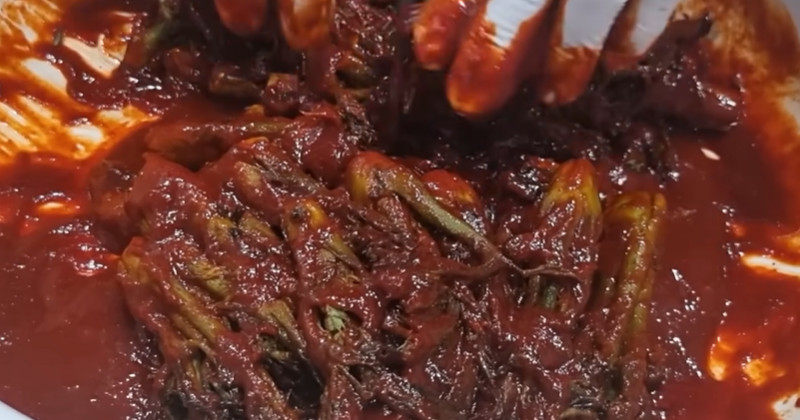
Watch the timing when blanching — overcooking will make the shoots limp and dull their aroma. Remove moisture well; a watery sauce can dilute flavor and increase the risk of spoilage. Taste as you go: because gochujang already contains salt, be cautious about adding too much soy sauce.
Storage is key. Keep gochujang dureup jangajji in an airtight container in the fridge and minimize air exposure to slow spoilage. Use clean chopsticks when serving and don’t return used sauce to the jar. With this care, it should stay fresh for about 1–2 weeks.
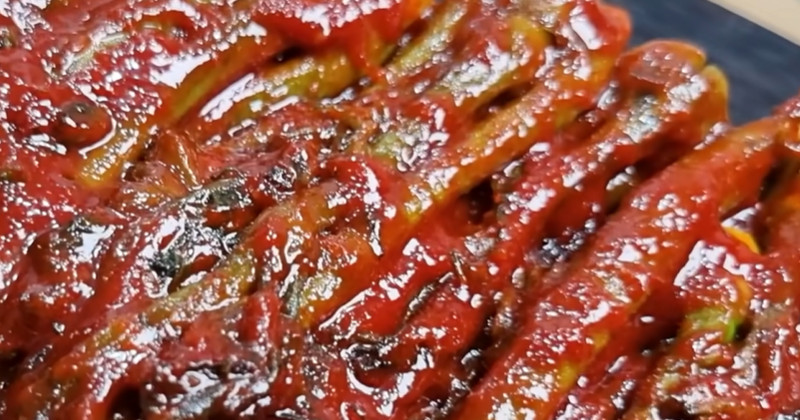
If you want to keep it longer, briefly boil the sauce and let it cool before using; heating reduces microbial activity and improves shelf life. Note that this can mellow some of gochujang’s fresh brightness, so decide based on your taste.
Gochujang dureup jangajji isn’t just a great rice side — it’s versatile. Chop it for bibimbap, serve it with grilled meats to amp up flavor, or use it to cut through rich, oily dishes.
For a seasonal spring ingredient like dureup, gochujang jangajji is a smart, flavorful way to extend its life. Its distinct charm offers a fun change from soy-based pickles. With the right prep, seasoning, and storage, you can enjoy duraep’s aroma and taste long after spring has passed.
Your daily personal horoscope — what’s in store for you today?










Most Commented