
Translation result
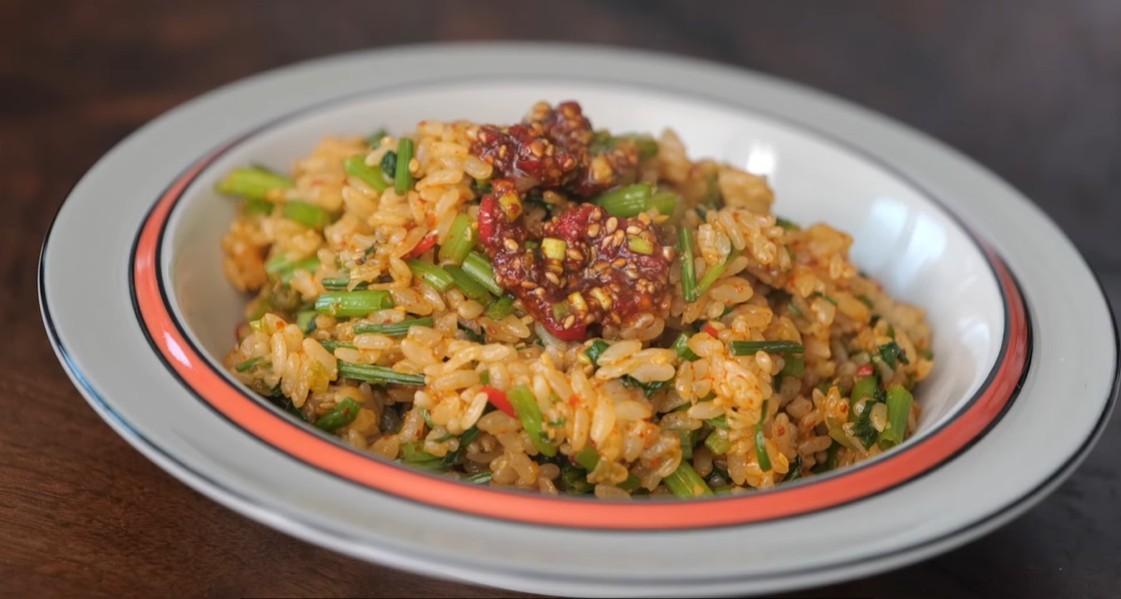
Spring’s fragrant, in-season herb ‘Minari Rice’ is getting noticed as a healthy, satisfying meal. With its bright aroma and tender bite, minari rice brings bold flavor on its own and is simple enough to make at home.
Minari comes into season in early spring and grows near water, which gives it a clean, refreshing scent. Its subtle aroma and crisp texture work well in many dishes, and when cooked with rice the flavor softens and unfolds beautifully. Because the ingredient shines without heavy seasoning, it’s increasingly popular as a health-forward choice.
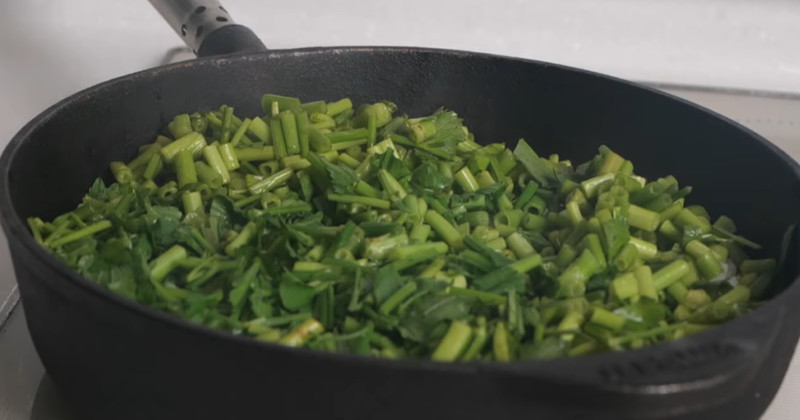
The biggest perk of minari rice is how easy it is to make while still tasting elevated. The core ingredients are rice, minari, and just a touch of seasoning. Rinse the rice well, soak it for about 30 minutes, then drain it in a sieve—this step helps keep the grains’ texture nice and separate.
Wash the minari several times under running water to remove dirt and grit, then cut it into 3–4 cm (about 1.2–1.6 in) lengths. Use both stems and leaves to capture the full aroma. If the stems are very thick, slice them in half or remove them so the texture isn’t tough.
When cooking, use slightly less water than usual—minari releases moisture, and too much water can make the rice soggy. Spread the prepared minari evenly over the soaked rice and cook as you normally would. A rice cooker works fine, but cooking it in a pot can give you a firmer, slightly drier texture.
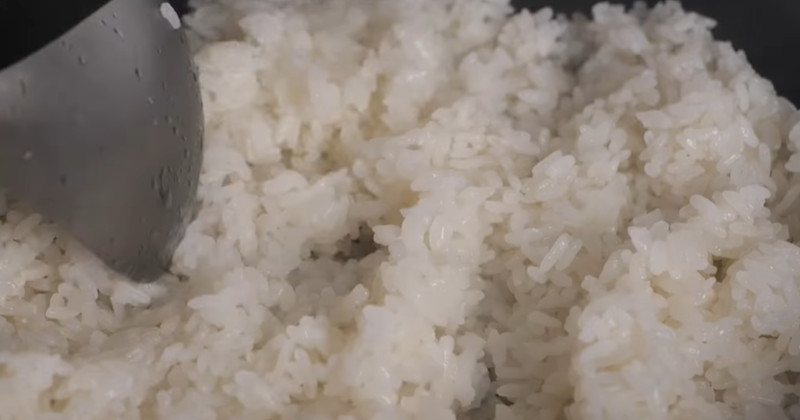
Once the rice is done, let it rest briefly, then gently fold it so you don’t flatten the minari or lose its crispness. Light, careful mixing helps the minari scent spread evenly through the grains while keeping a delicate bite.
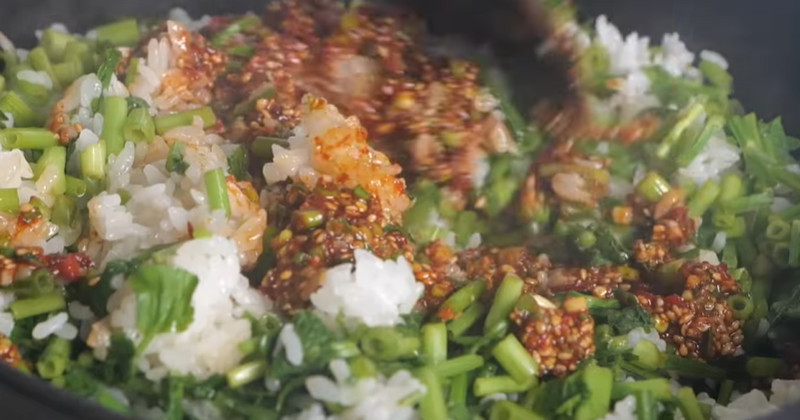
A simple sauce brightens the dish. Mix 2 tablespoons soy sauce, 1/2 tablespoon minced garlic, 1 teaspoon sesame oil, a pinch of red pepper flakes, and toasted sesame seeds for a basic dressing. For heat, stir in chopped hot peppers. Toss the sauce into the minari rice and the savory boost will make this a complete meal without extra side dishes.
Minari rice pairs well with many ingredients. Add beef or pork for protein, or toss in clams or shrimp for a light, briny depth. In spring, minari rice with clams is especially popular for its seasonal flavor.
From a nutrition standpoint, minari rice supports a balanced diet. Minari is rich in vitamins and minerals that can help with fatigue and immune support. It’s also high in fiber, which aids digestion and refreshes the palate after richer foods.
With more people focusing on healthful eating, dishes that highlight natural flavors with less seasoning are gaining ground. Minari rice fits that trend: minimal seasoning delivers deep flavor, making it a versatile home-cooked staple. Restaurants are also featuring minari in seasonal pot-rice and bibimbap-style dishes during spring to tempt diners.
When choosing minari, look for stems that aren’t too thick, a bright green color, and leaves that aren’t wilted. A fresh, grassy scent is a good indicator of quality. To store it, remove excess moisture, wrap the minari in a paper towel, and refrigerate to keep it fresh.
Minari’s short spring season means you have only a brief window to enjoy it at its best. How you use it can reveal different charms, but cooking it with rice remains the simplest way to experience the herb’s aroma fully. With minimal effort, minari rice captures the season and earns its place as a spring table favorite.
Your daily horoscope report! What will today bring?











Most Commented