
Translation result
Spring’s seasonal bracken makes for an unexpected, approachable meal— ‘Bracken Pasta’—that anyone can enjoy if you prep it right and balance the flavors.
Bracken is one of the quintessential spring greens, reaching its softest and most fragrant stage around April. New shoots that appear after winter stay tender rather than tough, so they’re perfect for cooking. At this point the fibers aren’t overly coarse, and the fern’s earthy, nutty notes come through, making it versatile in many dishes. Freshly foraged bracken from the mountain is especially juicy and nutrient-rich, with a far softer texture than dried, rehydrated bracken.
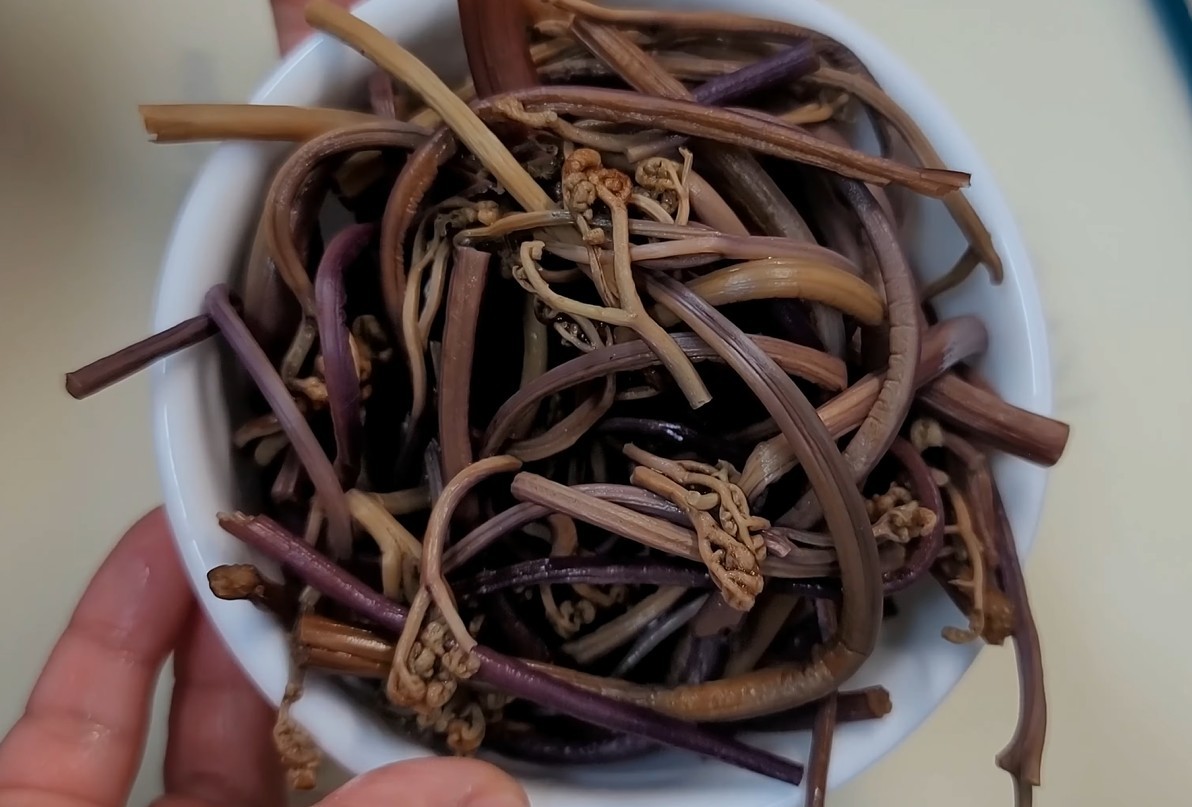
While bracken traditionally appears in Korean banchan, soups, and bibimbap, it’s lately been turning up in Western dishes like pasta—and for good reason. Bracken’s pleasantly chewy yet soft texture pairs surprisingly well with noodles. For first-timers, the main worry is any lingering off flavors: if it’s not cleaned and prepared properly, earthiness or bitterness can remain and put people off.
The first defense is thorough prep. Always blanch fresh bracken: add a bit of salt to boiling water and cook for about 5–7 minutes, then rinse several times in cold water to remove impurities. Soak it for at least an hour to draw out bitterness and any leftover smells. For dried bracken, rehydrate for about a day, then boil and soak again. These steps help the fern integrate smoothly into a pasta dish.
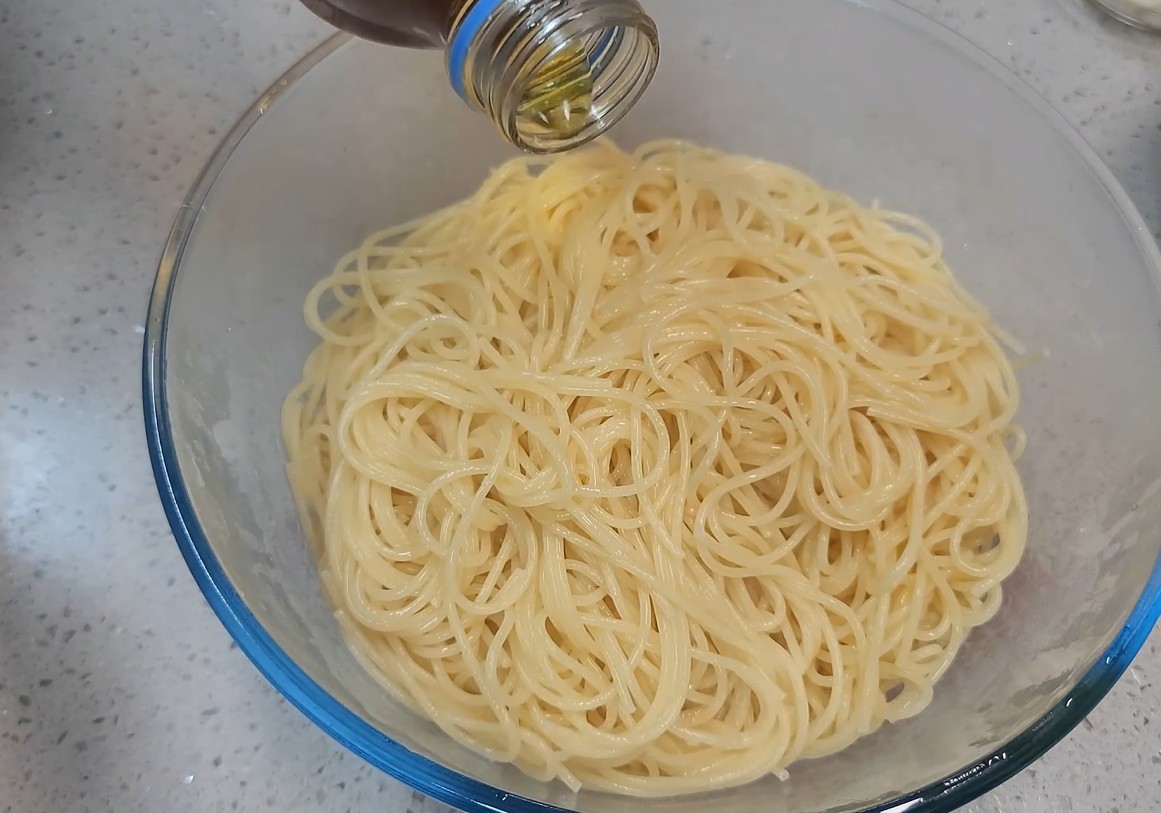
The second key is fat and aromatics. Bracken mellows beautifully when it meets oil. Start by sautéing garlic in olive oil or butter to release its fragrance, then add the bracken and cook it well—this tames the earthier notes. Finish with freshly cracked black pepper or a pinch of peperoncino to cover any residual off-odors and to round out the flavor.
The cooking sequence is basically standard pasta technique. Boil your pasta in salted water. Meanwhile, heat olive oil in a pan and sauté garlic until fragrant, then add the prepared bracken and cook over medium heat. A tiny splash of soy sauce or just a pinch of salt during cooking will lift the bracken’s own flavor without overpowering it.
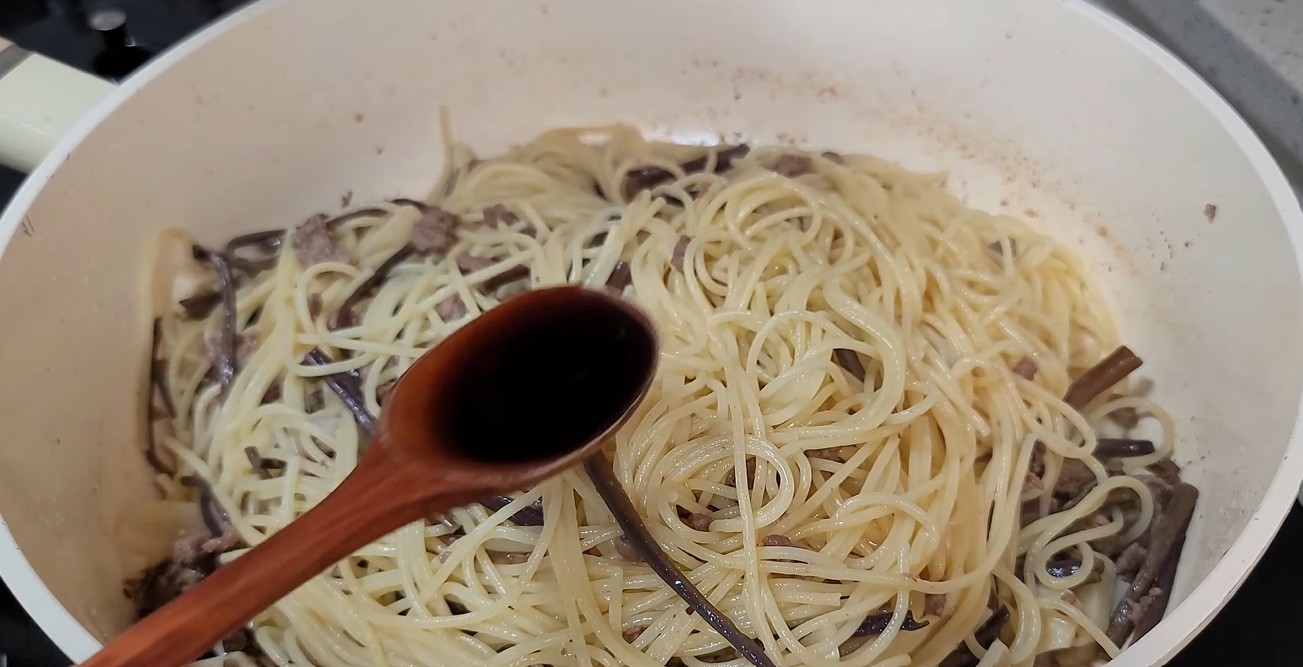
Then add the drained pasta to the pan and toss everything together, adding one or two ladles of the starchy pasta cooking water. That liquid helps the sauce cling and keeps the bracken and noodles from feeling disconnected. Finish with another drizzle of olive oil or a pat of butter to gently coat the strands.
If you want bolder flavor, try an Asian-leaning soy version: combine soy sauce, minced garlic, and a touch of sugar—think a light bulgogi-style seasoning—and toss it with the bracken so the flavors marry. Or switch to a cream sauce to mellow the fern’s aroma, which makes the dish extra approachable for beginners.
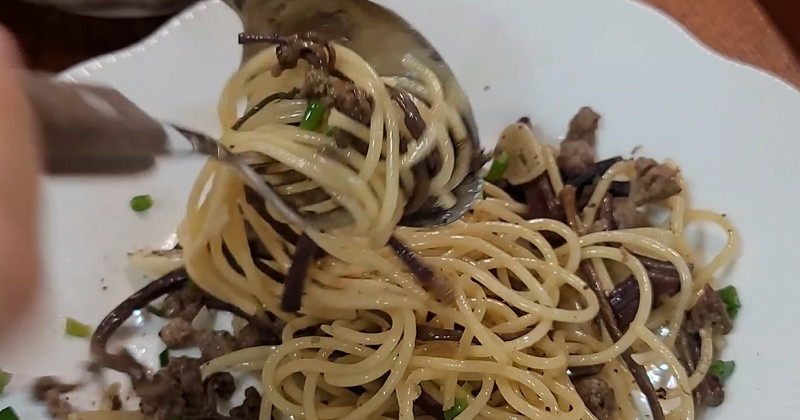
Bracken pasta scores on both health and satisfaction. Bracken is rich in dietary fiber, which aids digestion, and its chew delivers a sense of fullness even in modest portions. It also brings plenty of umami without meat, making it a smart pick for lighter, veggie-forward meals.
To store prepared bracken, blanch it once more, drain well, and refrigerate—you can use it for 2–3 days. Pasta made with bracken is best eaten right away; leftovers tend to soften as they sit.
At first glance, bracken pasta might seem like an odd pairing, but it’s actually a clever combination that highlights each ingredient’s strengths. Tender, in-season bracken with pasta opens up fresh possibilities for your spring table. Before the season ends, take advantage of bracken’s peak and enjoy it in a delightfully unexpected way.
Get your daily personal horoscope report! What will today bring?










Most Commented