
Why Seaweed Stir-Fry is the Healthier Alternative to Crispy Seaweed: A Simple Recipe Guide
Daniel Kim Views
Translation result
Stir-fried seaweed, easier to make than gimjaban and boasting a softer texture, is gaining attention as an effortless home-cooked side dish.
When you think of go-to homemade side dishes, gimjaban often comes to mind. Its crisp, nutty crunch keeps it a favorite at the table, but it surprisingly takes effort to prepare—you need to get the sheets perfectly crisp and flip them carefully so they don’t break. By contrast, miyeok-bokkeum (stir-fried seaweed) requires far less prep and cooking time while delivering a tender, deeply satisfying flavor, making it a popular alternative lately.
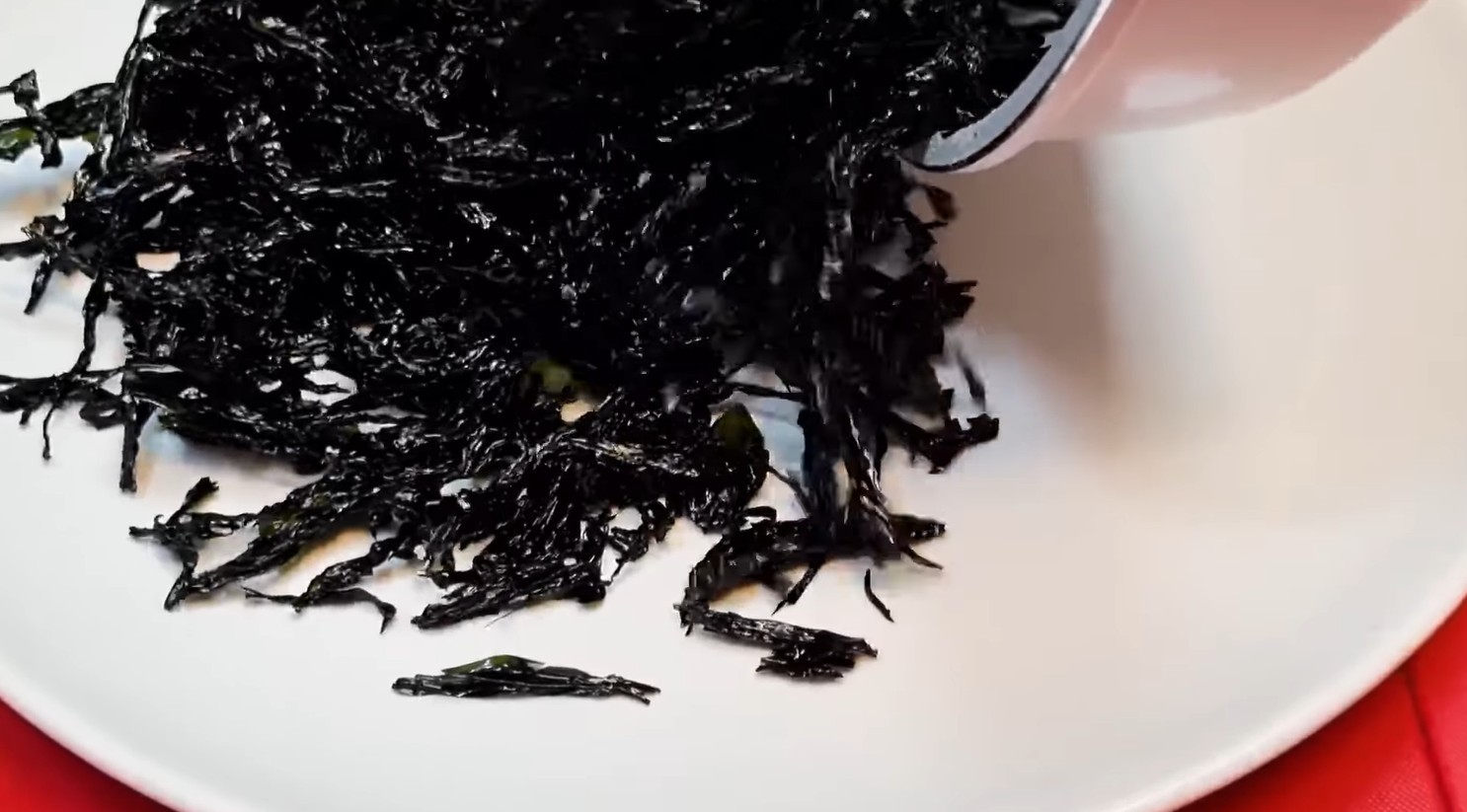
The biggest perk of miyeok-bokkeum is that it’s hard to mess up. Gimjaban can easily burn or go soggy if the timing’s off, but seaweed behaves more predictably during cooking. Since you basically just stir-fry pre-soaked seaweed, the technique is simple—anyone can pull it off.
The key steps are soaking the seaweed properly and squeezing out excess water. Soak dried seaweed in cold water for about 10 minutes, then rinse thoroughly to remove any grit. Press or squeeze out as much water as you can—if it’s too wet, the seaweed becomes limp and the flavors dilute while you fry it. Slice it into bite-size lengths and you’re ready to cook.
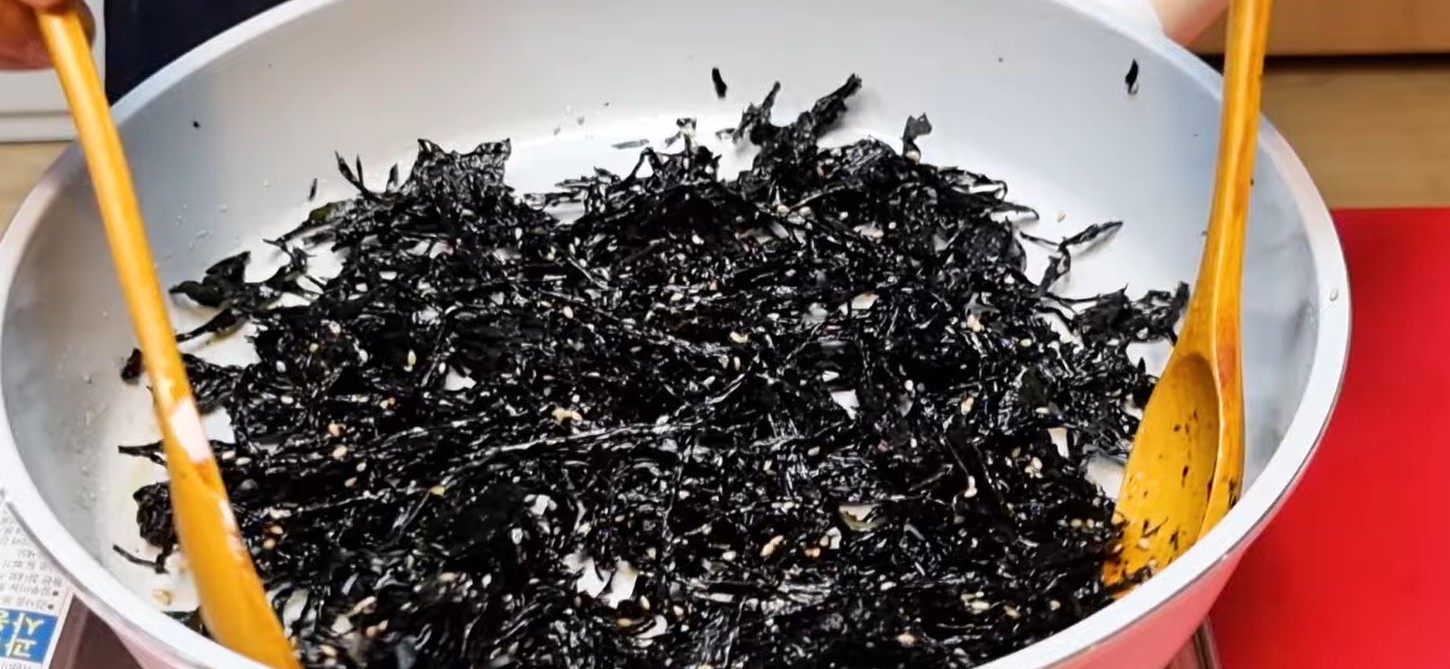
Heat perilla oil or a neutral oil in a pan, then sauté minced garlic first to bring out its aroma. Add the prepared seaweed and stir over medium heat. Season lightly with gukganjang (soup soy) or regular soy sauce, and add a splash of water if needed so the seaweed just wilts. Finish with a drizzle of sesame oil and a sprinkle of toasted sesame seeds to boost the savory notes.
What makes this side dish so appealing is its soft texture. If gimjaban is all about crunch, miyeok-bokkeum practically melts in your mouth and feels effortless to eat. That makes it perfect for young kids and older family members with sensitive teeth, so it works well as a family-friendly side.
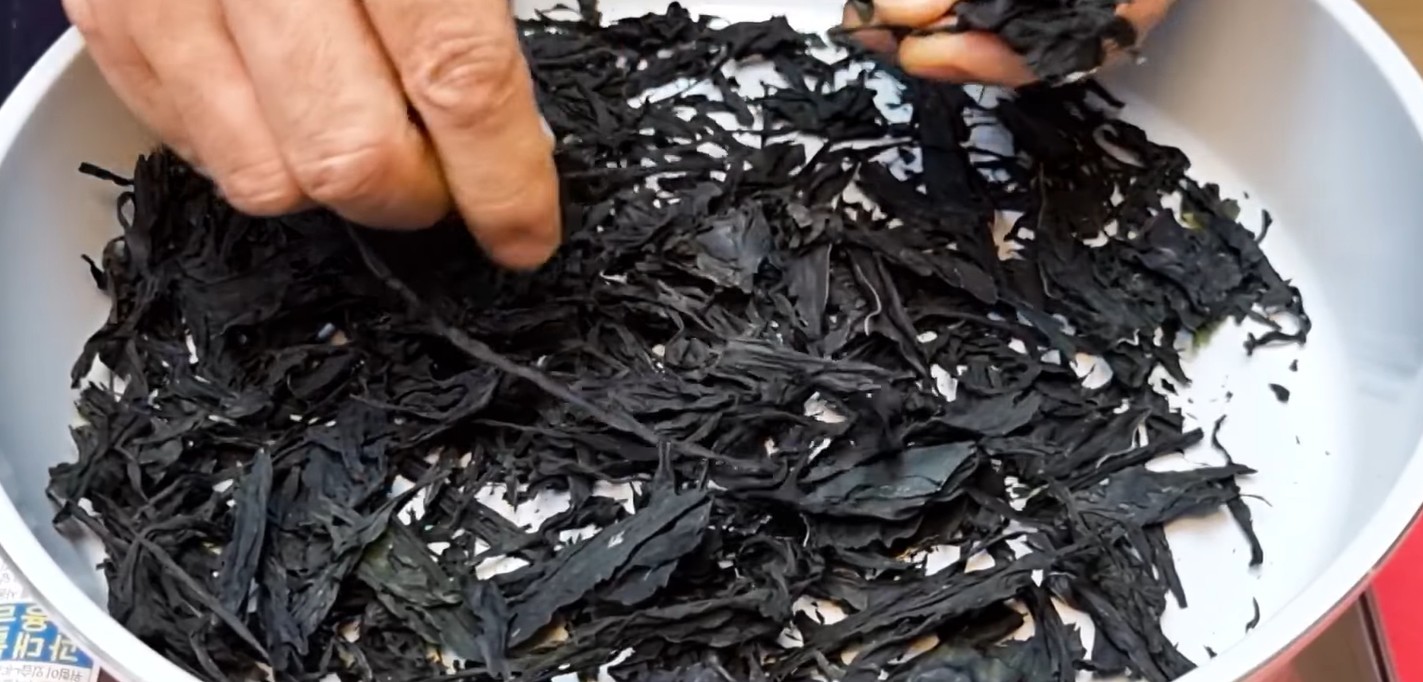
There are definite nutritional upsides, too. Seaweed is a fiber- and mineral-rich sea vegetable that supports gut health and circulation. Its high iodine content can also help support thyroid function. Because you don’t need a lot of oil, it tends to be a relatively light and wholesome option.
Versatility is another bonus. Stir in a bit of beef for extra depth, swap soy sauce for doenjang (fermented soybean paste) for a heartier, earthier flavor, or use onions instead of garlic for a touch of sweetness. Add chili for heat if you like. A simple base recipe opens the door to a lot of tasty variations.
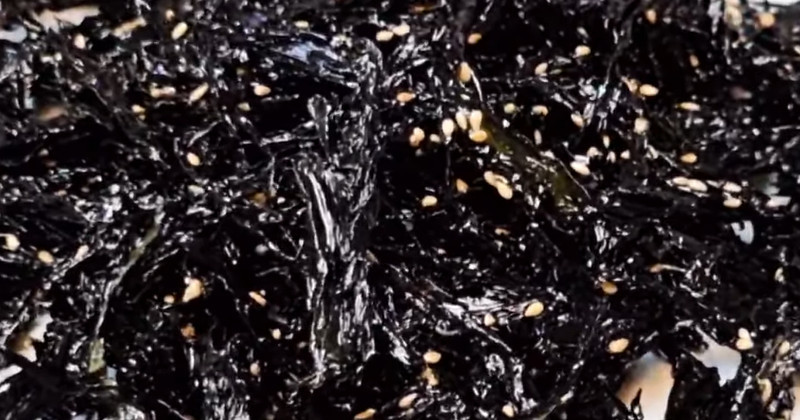
Storage is easy, too. Kept in the fridge, miyeok-bokkeum is fine for about 2–3 days and doesn’t get as soggy as gimjaban. Sometimes the flavors even deepen as it sits. Still, if stored too long it can develop a fishy note, so it’s best enjoyed while fresh.
With more people leaning toward lighter, healthier home cooking, traditional sides like miyeok-bokkeum are enjoying a comeback. It uses simple ingredients and cooks quickly, yet offers both nutrition and flavor—making it a practical pick for busy households.
If gimjaban feels like too much hassle, miyeok-bokkeum is a great alternative. Choosing tender over crunchy can change the mood at your table. Easy to make and full of satisfying flavor, miyeok-bokkeum is carving out its place as a reliable everyday side dish for hectic lives.
Your daily personal horoscope report! How will your day go today?











Most Commented