
Translation result.
Meet buchu jjim, a steamed garlic-chive dish that brings big flavor without any oil—an easy, healthy side that perks up spring appetites.
Garlic chives, known as buchu in Korea, are a classic spring vegetable with a distinctive aroma and tender bite. While they commonly show up in pancakes or dressed salads, steaming them has started to steal the spotlight. Steaming, rather than frying or pan-searing, preserves the ingredient’s natural flavor and keeps the dish light and effortless.
The trick with buchu jjim is simplicity. You don’t need elaborate sauces or long cook times—the dish is ready fast. Because buchu wilts quickly and loses its aroma if overcooked, steaming is the perfect method to protect its bright color and fresh scent.
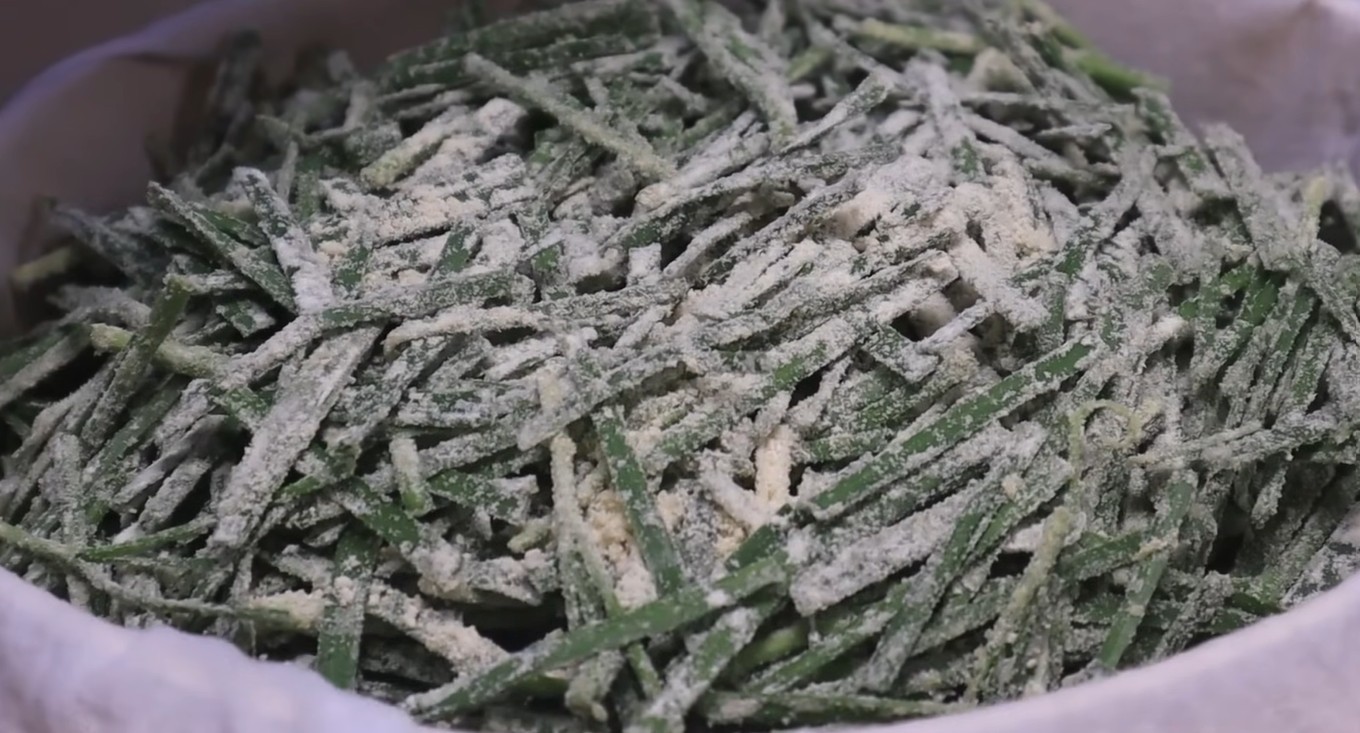
It’s also a nutritional win. Buchu is packed with vitamins, minerals and dietary fiber, making it a great little boost during the slower-energy days of spring. The compounds that give buchu its scent also help stimulate appetite and support digestion, and when paired with richer foods, the chives can help cut through greasiness.
The method is straightforward, but a few details elevate the result. Start with fresh buchu and rinse it several times under running water to remove dirt and grit. Shake off excess moisture, then cut into 5~6cm lengths (about 2–2.4 in). If the pieces are too long they’re awkward to eat; too short and they lose their pleasant texture.
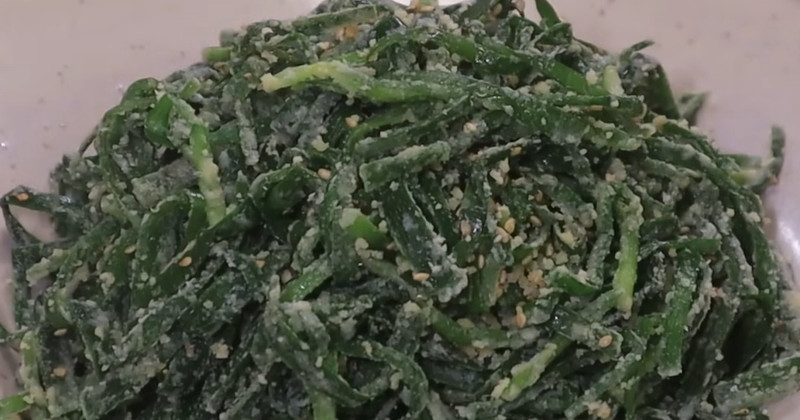
Bring water to a boil in your steamer and, once it’s producing steam, place the buchu in and steam for just 1–2 minutes. Don’t overdo it—extra time will dull the color and turn the texture limp—so pull them quickly. After steaming, transfer to a plate to cool. Some people briefly dunk them in cold water to lock in color, but letting them cool naturally better preserves the aroma.
Seasonings can be tailored to your taste. A classic dipping sauce mixes soy sauce, minced garlic, sesame oil and a pinch of red pepper powder. A splash of vinegar adds brightness, and toasted sesame seeds bring nuttiness. Instead of tossing the chives in sauce, serve the sauce on the side for dipping to prevent the buchu from becoming soggy.
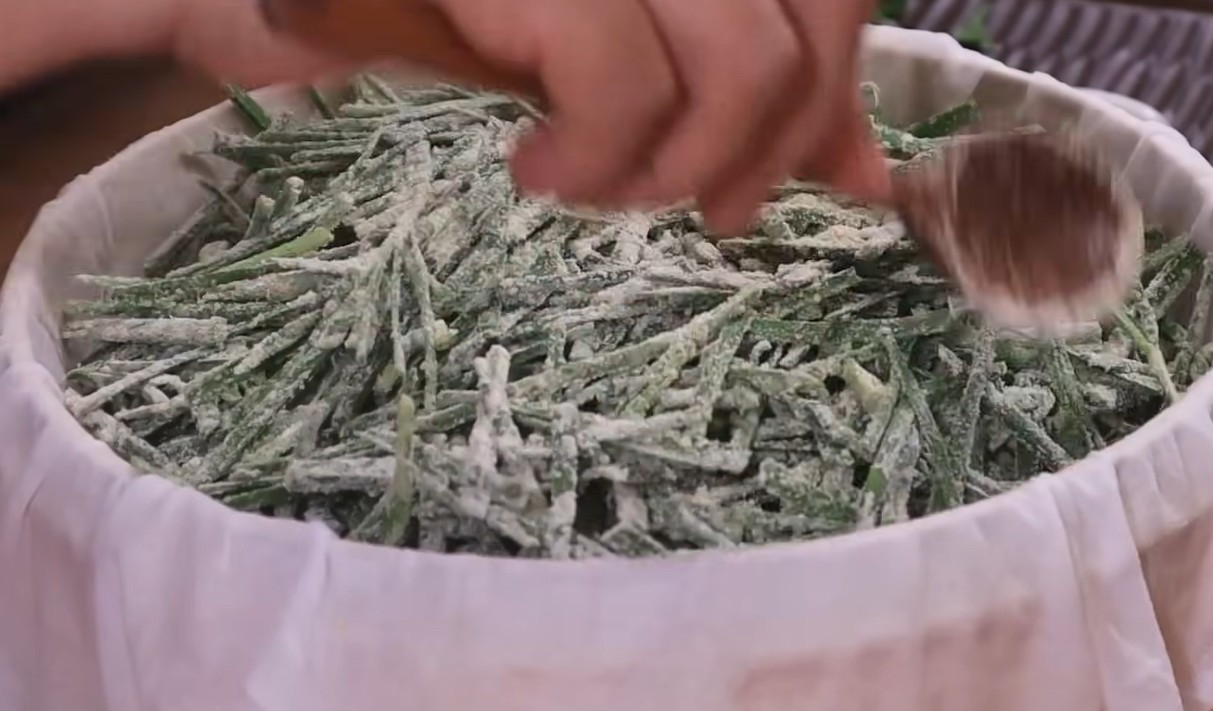
You can get creative, too. Lay thin slices of pork or tofu on top of the buchu and steam them together for a more substantial side. If you use samgyeopsal (pork belly), the rendered fat soaks into the chives for deeper flavor while actually tempering the meat’s greasiness.
A note on storage: buchu holds a lot of moisture and has a delicate structure, so it softens quickly. Serve it soon after steaming. If you refrigerate leftovers, eat within a day, and add sauces just before serving to avoid excess liquid.
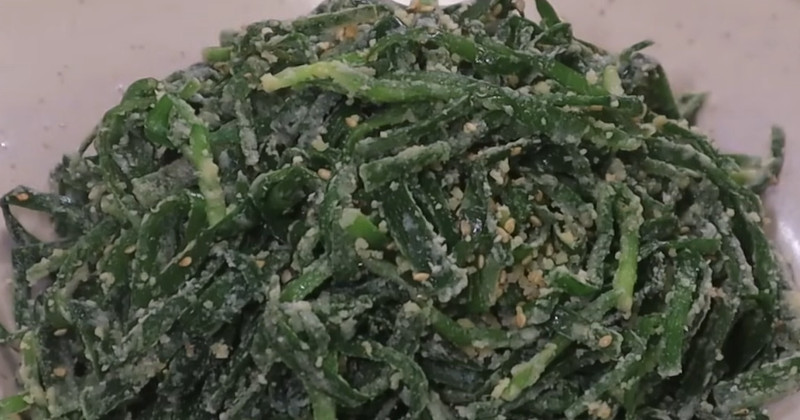
Right now, food trends are leaning toward meals that feel light but satisfying, and buchu jjim fits that vibe perfectly. It skips the oil, highlights the ingredient’s natural personality, and delivers clean, fresh flavor.
At its heart, buchu jjim is all about balance: a quick burst of gentle heat that brings out the best in the ingredient and relies on minimal seasoning to shine. It’s a realistic, delicious option for keeping meals healthy—even when life gets busy.
Easy to make and even easier to enjoy, buchu jjim is one of the simplest ways to bring the season to your table.
Your daily horoscope report—what’s in store for you today?











Most Commented