
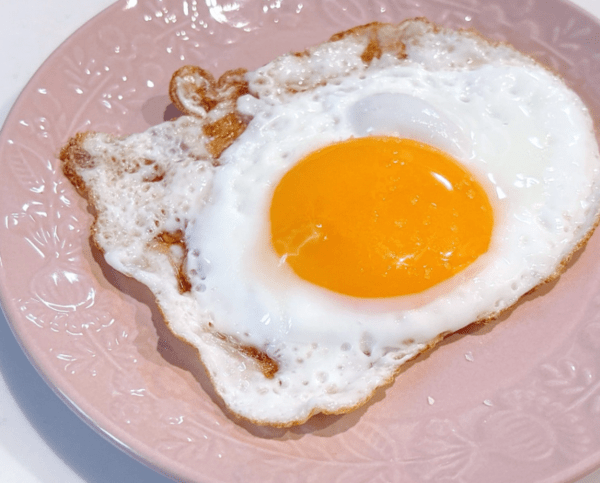
Mornings are short on time. You know you should eat something, but hauling out a skillet, turning on the stove, and babysitting it feels like too much. That’s why people skip a fried egg altogether. Luckily, the microwave can shave that routine way down.
This isn’t just about convenience — once you understand how the cooking works, you can make a dependable fried egg every time. Stick to a few key tips and you’ll get a satisfying result without touching the stovetop.
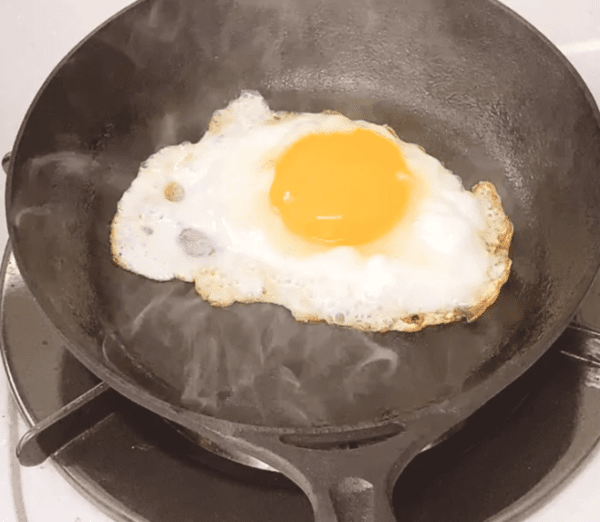
The microwave heats from the inside out.
A skillet cooks eggs by transferring heat from its surface up. That’s why flame control and timing the flip matter. Microwaves, on the other hand, generate heat through the food’s internal moisture.
That difference affects the final texture. Microwaves cook quickly, but if moisture escapes, the egg can go dry and rubbery fast. So it’s not just about the clock—you also need to keep the egg’s moisture in check.

Cooking oil isn’t just lubricant — it’s a protective coating.
Lightly oiling the dish is nonnegotiable. It stops the egg from sticking and helps heat spread evenly.
Skip this step and you risk the egg clinging to the bowl or cooking unevenly. Even a thin, even coat makes a noticeable difference in the final texture.
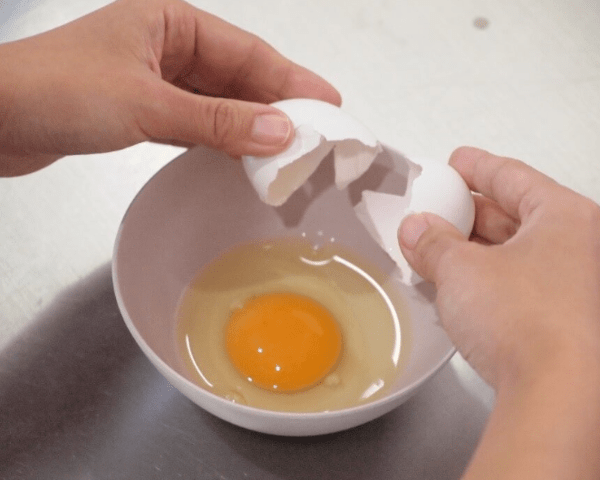
Pierce the yolk to release pressure.
The yolk is the riskiest part when microwaving an egg. Its moisture heats rapidly and can build pressure inside.
If you don’t vent it, the yolk can burst mid-cook. Poking the yolk beforehand releases that pressure, making the process safer and the result more even.
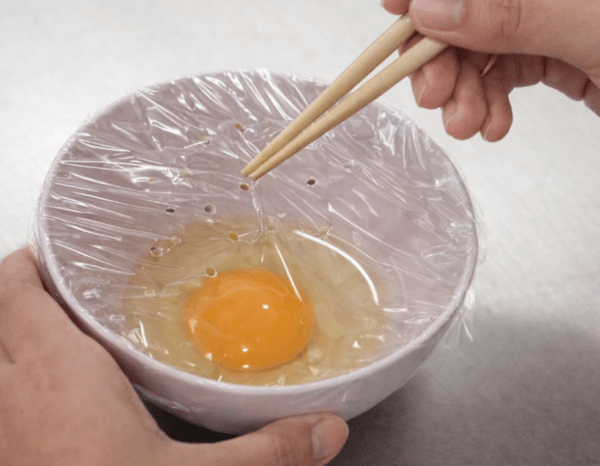
Plastic wrap plus a vent hole manages moisture and pressure together.
Covering the dish with plastic wrap helps trap steam. Microwaves evaporate water fast, so you need something to hold that moisture in.
But sealing it completely can raise pressure, so poke a tiny hole to let excess steam escape. That balance keeps the egg moist and stable while it cooks.
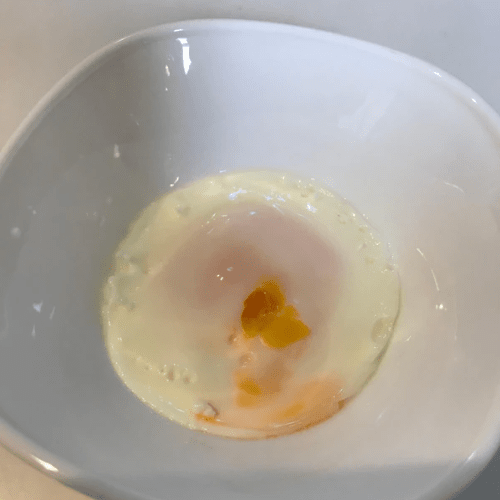
About 1 minute 30 seconds is your sweet spot.
Cooking time makes or breaks it. Too little and the white’s runny; too much and everything gets rubbery.
Roughly 1 minute 30 seconds is a reliable baseline. Microwave power varies, so tweak by a few seconds if needed, but starting here cuts the chance of disaster. At the end of the day, it’s not rocket science — it’s understanding the process and following the steps.













Most Commented