Quick access to main page (top) Direct access to main contents Quick access to main page (bottom)

Do-Dari vs. Gangdo-Dari: What You Need to Know About This Spring Delicacy

Daniel Kim Views  

Translation result

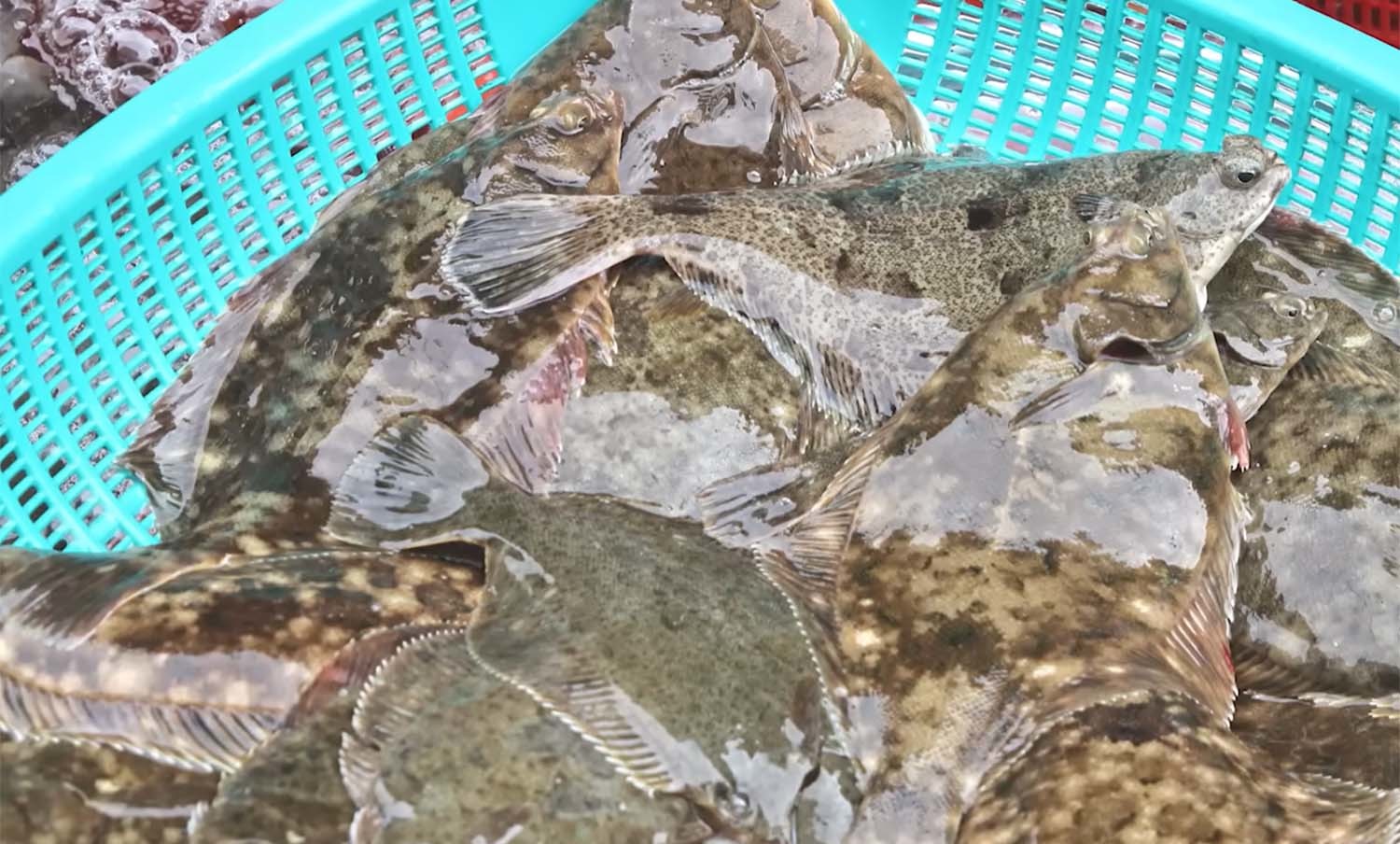
    The real flounder, the munchi gajami (true flatfish). / \'Memories of a Bite TV\'
  The real flounder, the munchi gajami (true flatfish). / ‘Memories of a Bite TV’

There’s one dish that reliably pops into mind when spring rolls around: flounder. Every year, seafood markets and sashimi places hang signs advertising “spring flounder sekkoshi” — the ultra-thin sashimi. But pause for a second: was the spring flounder you ate actually the real thing?

YouTuber and seafood expert Kim Ji-min, who runs the channel \”Memories of a Bite TV,\” investigated the spring flounder scene. His findings are eye-opening. More than 90% of what’s sold as spring flounder at restaurants, supermarkets, and online shops is actually farmed kangdori — an estuarine flounder raised in aquaculture.
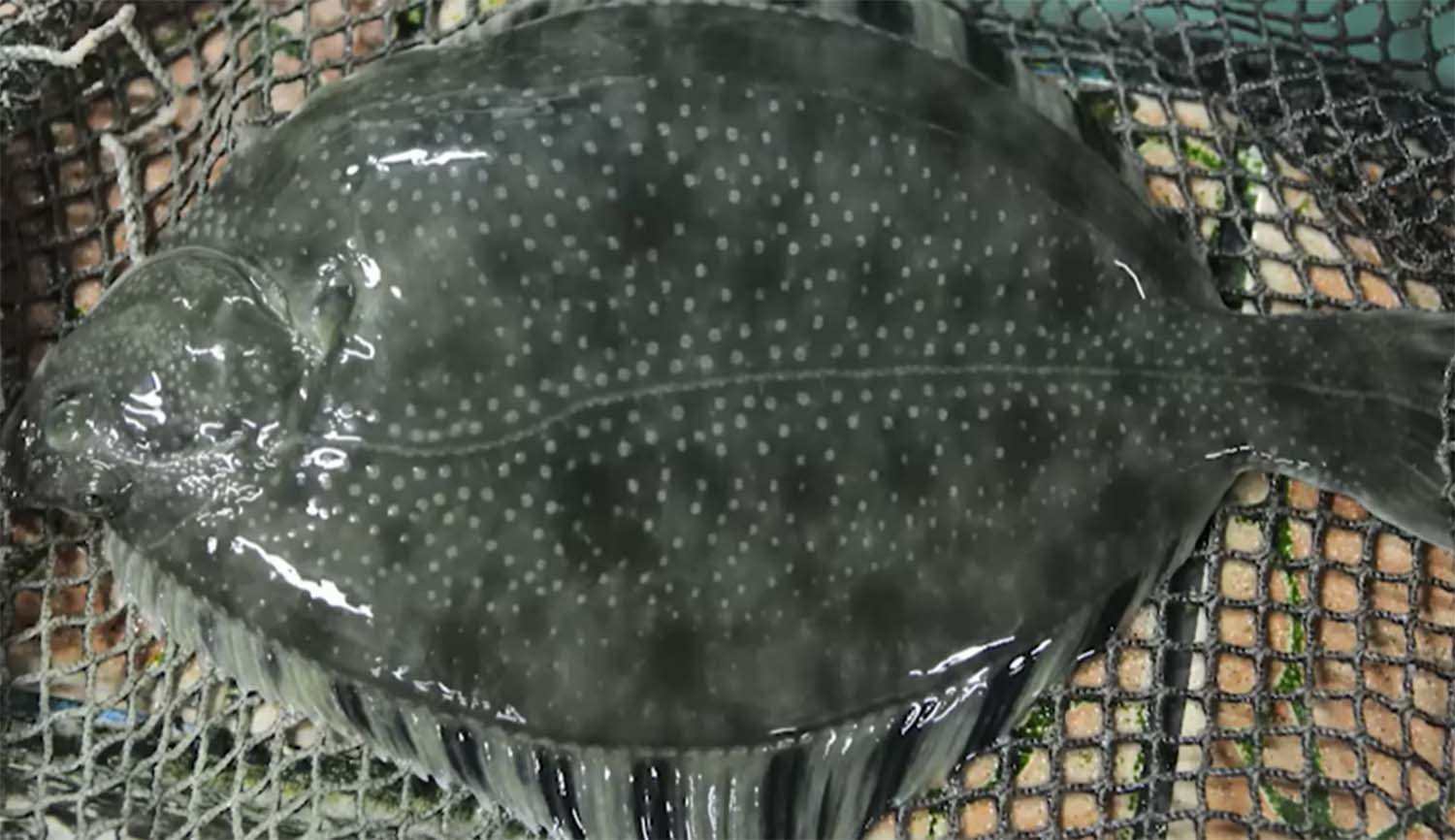
     Kangdori (estuarine flounder). / \'Memories of a Bite TV\'
  Kangdori (estuarine flounder). / ‘Memories of a Bite TV’

First, let’s clear up what people have been calling “spring flounder.” The fish traditionally used for spring sekkoshi and flounder soup is the true flounder, known as munchi gajami. In southern Korea, it’s long been called the “true flounder.” Today, though, most of what’s labeled simply as flounder is kangdori. Despite the similar names, kangdori is a different species. It lives in brackish waters where rivers meet the sea — hence the name — and it’s now produced on a large scale through aquaculture.

Is this fraud? Kim says not technically. The official or common names can include “flounder,” so from a legal or scientific standpoint the labeling isn’t false. The issue is more about consumer expectation: most people expect munchi gajami when they hear “flounder,” but kangdori also carries the flounder label. Legally fine, but a little misleading.

True spring flounder, the munchi gajami, hasn’t been commercialized in farms beyond experimental trials. The ones you see in markets are wild-caught. They’re mostly sold in southern markets, with very limited supply reaching Seoul and the greater capital area — meaning you’re more likely to find them at high-end Japanese restaurants than at your neighborhood fishmonger.

Try searching Naver Shopping for “spring flounder” or “flounder sekkoshi” and you’ll see the same pattern: eight or nine out of ten listings are farmed kangdori. If you really want the munchi gajami, search specifically for “munchi gajami” or “wild munchi gajami.”

Kim also shared easy ways to tell them apart. Start with the eye rule: when you look at a flatfish head-on, if the eyes are on the left it’s typically an olive flounder; if they’re on the right it’s usually a flounder or related gajami species. Kangdori is a quirky exception — though it’s part of the gajami group and would be expected to have right-sided eyes, it uniquely has them on the left. You can also spot it by the mottled spots on its fins. A more hands-on method is the mouth test: if you put a finger in and it bleeds, you’re likely dealing with an olive flounder; if it doesn’t, it’s a flounder or gajami. Olive flounder have sharp teeth and a big mouth, while flounder and gajami have thicker lips and smaller, cuter mouths.
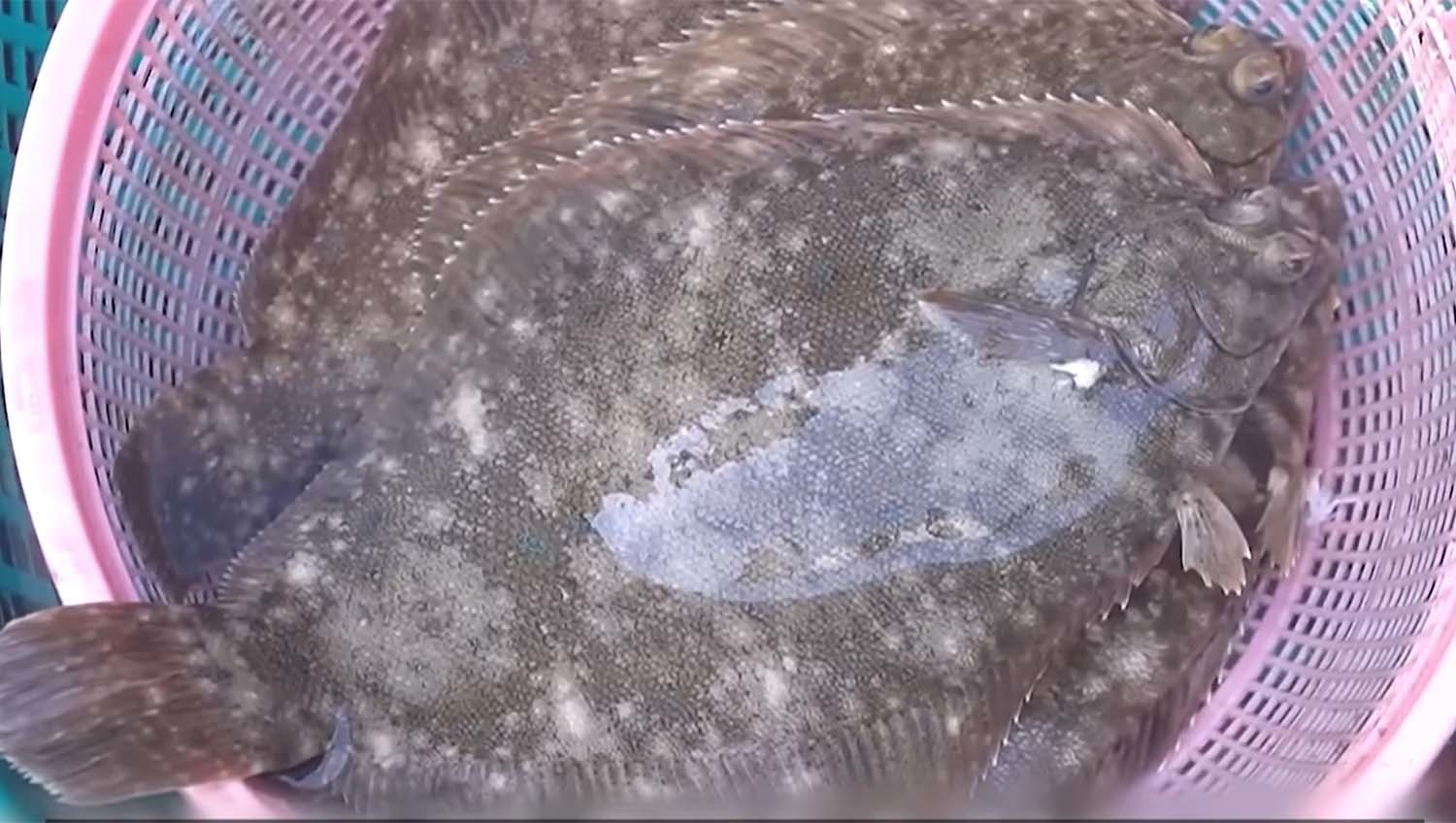
    The real flounder, the munchi gajami (true flatfish). / \'Memories of a Bite TV\'
  The real flounder, the munchi gajami (true flatfish). / ‘Memories of a Bite TV’

We also need to rethink the common belief that spring is the peak season for flounder. Kim points out that munchi gajami really fattens up after May and June. Early-spring fish tend to be leaner and haven’t reached optimal flavor yet. Fish from the West Coast (the Yellow Sea) are typically about a month behind southern catches, so the best taste shows up in April or May for southern fish and a bit later for western ones. In fact, munchi gajami often reaches peak fattiness from July through September. Kangdori, by contrast, doesn’t have a strong seasonal peak. Producers just concentrate shipments in spring because demand spikes then — but a thick, meaty kangdori eaten in summer or fall can be just as satisfying.

For sekkoshi, smaller fish are best. Bigger flounder develop tougher bones and are harder to chew; small, plump fish deliver the signature delicate texture. At market auctions, small but meaty munchi gajami can fetch nearly ₩40,000–₩50,000 per kg — roughly $30–$37.50 per kg (about $13.61–$17.01 per lb) — because of that premium quality.

So should you insist on wild munchi gajami? Kim’s conclusion surprised many. In blind taste tests, the difference is minimal — a sliver, not a dramatic gap. A fresh, meaty farmed kangdori can be delicious. Because sekkoshi is typically dipped in ssamjang (savory dipping paste) or chojang (spicy vinegar sauce), extreme differences are harder to notice. In the end, freshness, size, and how plump the flesh is matter far more than species or whether the fish is wild or farmed.

Check your daily horoscope! How will your day go?

Daniel Kim
content@tenbizt.com

[Food] Latest Stories

  • Eat Like a Local: 5 Best Hidden Gem Noodle Spots in South Korea
    Eat Like a Local: 5 Best Hidden Gem Noodle Spots in South Korea
  • Stop Making Plain Toast — The Viral Milk Trick That Changes Everything
    Stop Making Plain Toast — The Viral Milk Trick That Changes Everything
  • South Korea’s Ediya Coffee Launches Massive 1L Summer Bottles
    South Korea's Ediya Coffee Launches Massive 1L Summer Bottles
  • Forget Chunky Potatoes: This Viral ‘Flat’ Method Is a Game Changer
    Forget Chunky Potatoes: This Viral 'Flat' Method Is a Game Changer
  • Is Your Minced Garlic Actually Safe? The Hidden Danger in Your Fridge
    Is Your Minced Garlic Actually Safe? The Hidden Danger in Your Fridge
  • Stop Boiling Your Octopus: The One Simple Tweak for a Gourmet Result
    Stop Boiling Your Octopus: The One Simple Tweak for a Gourmet Result

Weekly Best Articles

  • Choi Dong-seok’s Family Bond: How a Simple Engraving Reveals Deep Love for His Children
  • Kwak Sun-hee’s Stunning Wedding Photos: A Celebration of Love and Courage
  • Is ‘I Am a Natural Person’ Just a Big Lie? Comedian Yoon-taek Reveals Shocking Secrets!
  • Health Scare: Why Fans Are Worried About Go Ji Yong’s Dramatic Weight Loss
  • Discover the Winter Gongju Chestnut Festival: A Taste of Korea at H-Mart in the USA!
  • 2026 Spring Wildfire Prevention: How Gyeryong City is Cutting Response Time to 30 Minutes!

You May Also Like

  • 1
    Trump Slashes AI Review Window to 30 Days Amid National Security Debate

    Politics 

    Trump Slashes AI Review Window to 30 Days Amid National Security Debate
  • 2
    Ukraine’s EU Bid Surges as Hungary Drops Opposition Amid Russian Attacks

    Politics 

    Ukraine’s EU Bid Surges as Hungary Drops Opposition Amid Russian Attacks
  • 3
    Trump Backs Colombia's 'El Tigre' — What It Means for U.S. Relations

    Politics 

    Trump Backs Colombia’s ‘El Tigre’ — What It Means for U.S. Relations
  • 4
    Trump Backs Colombia's Far-Right Outsider—What's at Stake?

    Politics 

    Trump Backs Colombia’s Far-Right Outsider—What’s at Stake?
  • 5
    12.5% Tariff Hit: South Korea Faces New U.S. Trade Penalties

    Politics 

    12.5% Tariff Hit: South Korea Faces New U.S. Trade Penalties

Popular Now

  • 1
    12.5% Tariff Alert: Why the U.S. Is Targeting South Korean Imports

    Politics&nbsp

  • 2
    Marta Kostyuk Makes History at French Open Amid Ukraine Crisis

    Politics&nbsp

  • 3
    37 Years in Exile: The Tiananmen Leader Who Just Wants to Go Home

    Politics&nbsp

  • 4
    South Korea's Cheongju Airport Faces Crisis as Passenger Numbers Explode

    Politics&nbsp

  • 5
    Nuclear Submarine Race: South Korea's High-Stakes Bid for U.S. Fuel

    Politics&nbsp

Weekly Best Articles

  • Choi Dong-seok’s Family Bond: How a Simple Engraving Reveals Deep Love for His Children
  • Kwak Sun-hee’s Stunning Wedding Photos: A Celebration of Love and Courage
  • Is ‘I Am a Natural Person’ Just a Big Lie? Comedian Yoon-taek Reveals Shocking Secrets!
  • Health Scare: Why Fans Are Worried About Go Ji Yong’s Dramatic Weight Loss
  • Discover the Winter Gongju Chestnut Festival: A Taste of Korea at H-Mart in the USA!
  • 2026 Spring Wildfire Prevention: How Gyeryong City is Cutting Response Time to 30 Minutes!

Must-Reads

  • 1
    Trump Slashes AI Review Window to 30 Days Amid National Security Debate

    Politics 

    Trump Slashes AI Review Window to 30 Days Amid National Security Debate
  • 2
    Ukraine’s EU Bid Surges as Hungary Drops Opposition Amid Russian Attacks

    Politics 

    Ukraine’s EU Bid Surges as Hungary Drops Opposition Amid Russian Attacks
  • 3
    Trump Backs Colombia's 'El Tigre' — What It Means for U.S. Relations

    Politics 

    Trump Backs Colombia’s ‘El Tigre’ — What It Means for U.S. Relations
  • 4
    Trump Backs Colombia's Far-Right Outsider—What's at Stake?

    Politics 

    Trump Backs Colombia’s Far-Right Outsider—What’s at Stake?
  • 5
    12.5% Tariff Hit: South Korea Faces New U.S. Trade Penalties

    Politics 

    12.5% Tariff Hit: South Korea Faces New U.S. Trade Penalties

Popular Now

  • 1
    12.5% Tariff Alert: Why the U.S. Is Targeting South Korean Imports

    Politics 

  • 2
    Marta Kostyuk Makes History at French Open Amid Ukraine Crisis

    Politics 

  • 3
    37 Years in Exile: The Tiananmen Leader Who Just Wants to Go Home

    Politics 

  • 4
    South Korea's Cheongju Airport Faces Crisis as Passenger Numbers Explode

    Politics 

  • 5
    Nuclear Submarine Race: South Korea's High-Stakes Bid for U.S. Fuel

    Politics