
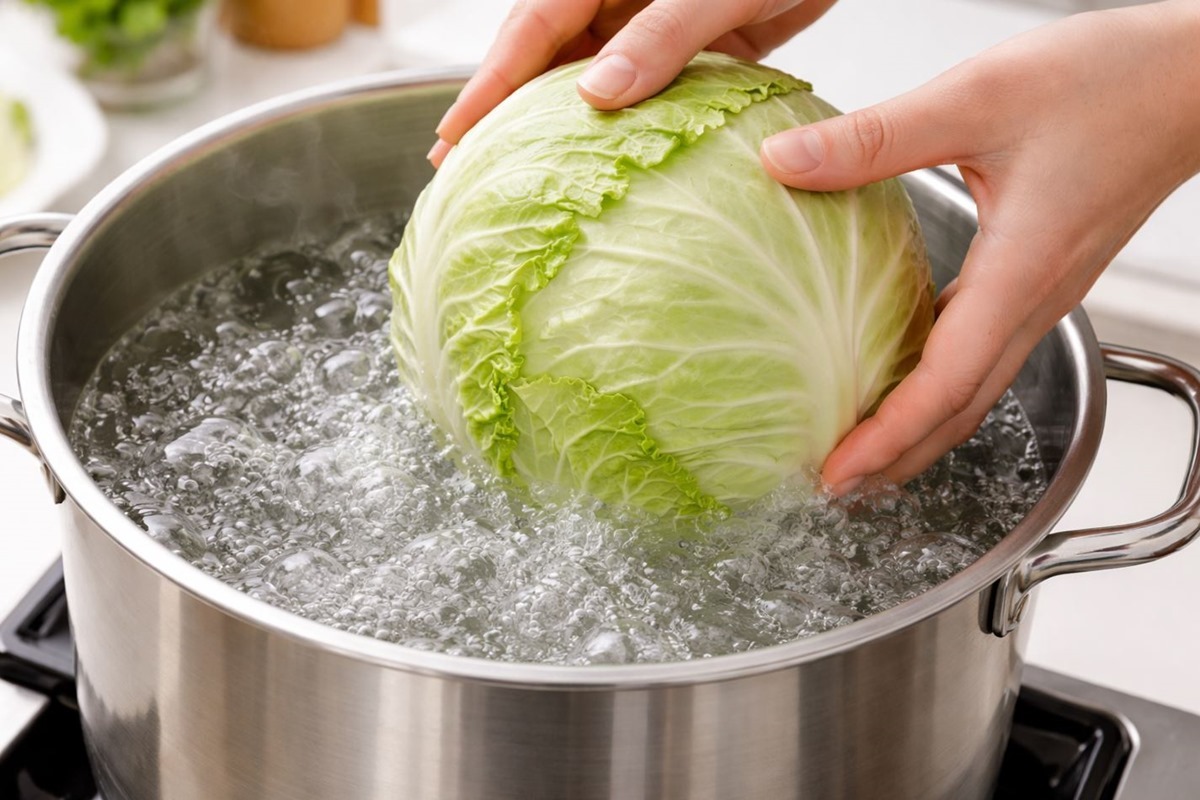
Quickly blanching cabbage gives you an immediate perk: a noticeably softer, more enjoyable texture. Raw cabbage is crisp and refreshing, but some people find it tough or experience bloating after eating it.
By contrast, a brief dunk in boiling water loosens the fibers so the cabbage is easier to chew and gentler on the stomach and gut. That makes boiled cabbage a smart pick if raw veggies upset you, if spicy food on an empty stomach feels harsh, or if you need a soothing, easy-to-eat side when you’re tired.
Warm, tender cabbage feels more comforting than cold, coarse greens and can make the whole meal feel softer and more balanced.
Lightly cooking cabbage also collapses its volume, so you can eat a larger portion more easily. Raw leaves look bulky and are harder to finish, but blanching wilts them, making it simpler to get more of the fiber and nutrients onto your plate.
When a meal leans on spicy or fatty dishes, boiled cabbage helps restore balance. It refreshes the palate between bold bites and tones down the overall intensity.
Cooking brings out cabbage’s gentle, natural sweetness, so you don’t need heavy seasonings to enjoy it.
The trick is to cook it just enough—not too long. Overcooking turns the texture mushy, dulls the aroma, and increases the loss of water-soluble nutrients.
That’s why a quick blanch in boiling water is better than a long simmer. If you’re cooking individual leaves, 30 seconds to 1 minute 30 seconds is usually enough; for thicker pieces or larger batches, aim for around 2 minutes. About 1 minute is a reliable sweet spot—tender without being floppy.
The real benefit comes from cooking cabbage properly, not from cooking it longer. The ideal texture is when the leaves have just wilted, the color hasn’t gone dull, and they bend softly when picked up with a fork while still holding their shape.
Boiled cabbage pairs beautifully with protein. Try it alongside tofu, a hard-boiled egg, grilled chicken breast, or pan-seared fish for a light but satisfying meal. Serving it with meat also cuts through greasiness and makes the plate feel more comfortable overall.
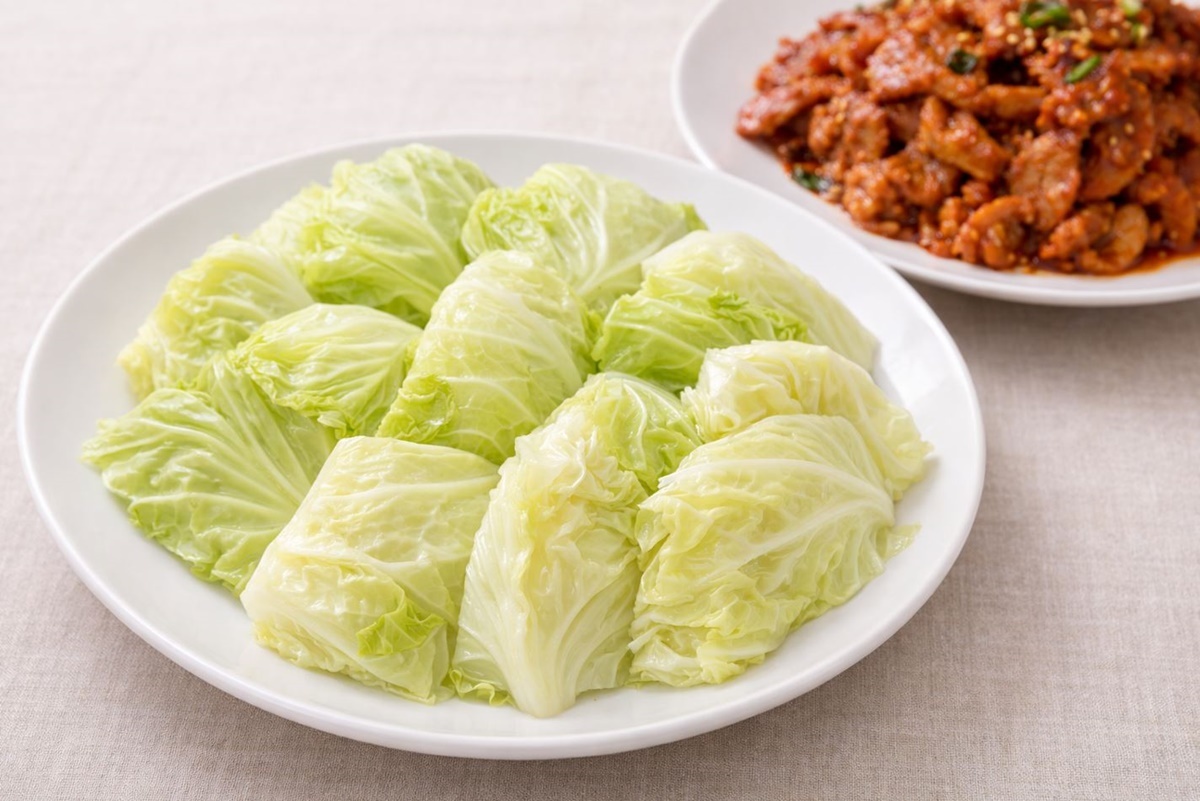
A light seasoning—something not overly salty, like doenjang (fermented soybean paste) or ssamjang (spicy soybean dipping sauce)—will brighten the flavor. A small drizzle of sesame oil or perilla oil adds a toasty note. Boiled cabbage can stand up to bold condiments like kimchi, but if your goal is a gentle meal for the stomach, keep spicy and salty sauces to a minimum.
In short, boiled cabbage delivers a soft texture, easier digestion, a clean, mild flavor, and excellent compatibility with many sides. The most important rule is to blanch it briefly and appropriately rather than simmering it for a long time. When prepared right, cabbage can soften a bold meal and be an easy, everyday healthy side.
Your daily personal horoscope report! How will your day go?













Most Commented