
Why March Is the Best Month to Enjoy Minari with Samgyeopsal: Tips for Perfect Pairing
Daniel Kim Views
Translation result.
In March, minari (Korean watercress) is having a moment as the leafy wrap that best elevates pork belly.
When you picture pork belly, lettuce or perilla leaves usually come to mind, often paired with grilled garlic or onions. But when spring arrives in March, things shift. Minari reaches its peak then—its aroma gets bolder and its texture snaps with freshness.
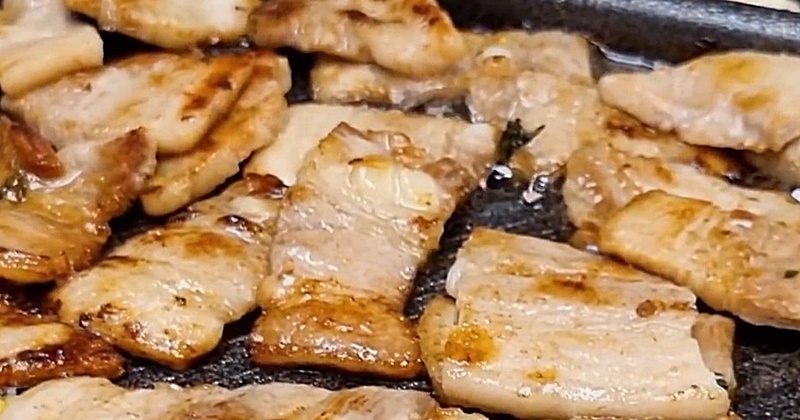
Why is minari at its best in March? It comes down to growing conditions. Minari thrives in clear water and cool temperatures. After winter’s slow growth, the plant develops firmer tissue while its fibers stay tender and its scent becomes richer. Early-spring harvests bring out that sharp yet refreshing fragrance at its strongest.
When temperatures climb in April and May, growth speeds up, stems toughen, and the aroma fades. That’s why many agree that minari is most delicious at the start of spring. In March you can eat it raw without hesitation, or give it a quick heat to preserve its crunch—either way, it works beautifully in a range of dishes.
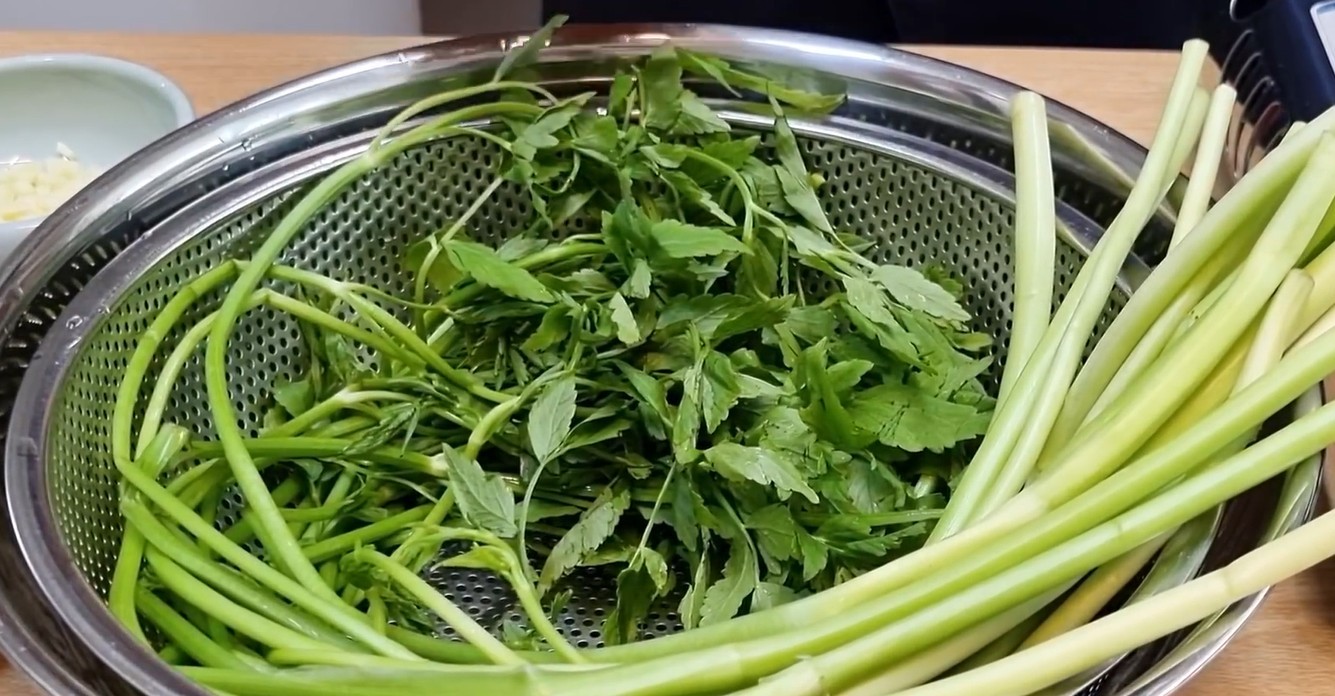
Minari also pairs brilliantly with pork belly. Pork belly is rich in fat and flavor, which can become heavy after several bites. Minari plays the perfect counterpoint: its distinct aroma and slight bitterness refresh the palate, cutting through grease and balancing the meal.
The textural contrast is part of the appeal. Crispy, charred pork belly against crunchy minari makes every bite fun. Lightly grilling the minari adds another layer—heat softens it slightly and teases out a subtle sweetness while preserving that fresh lift.
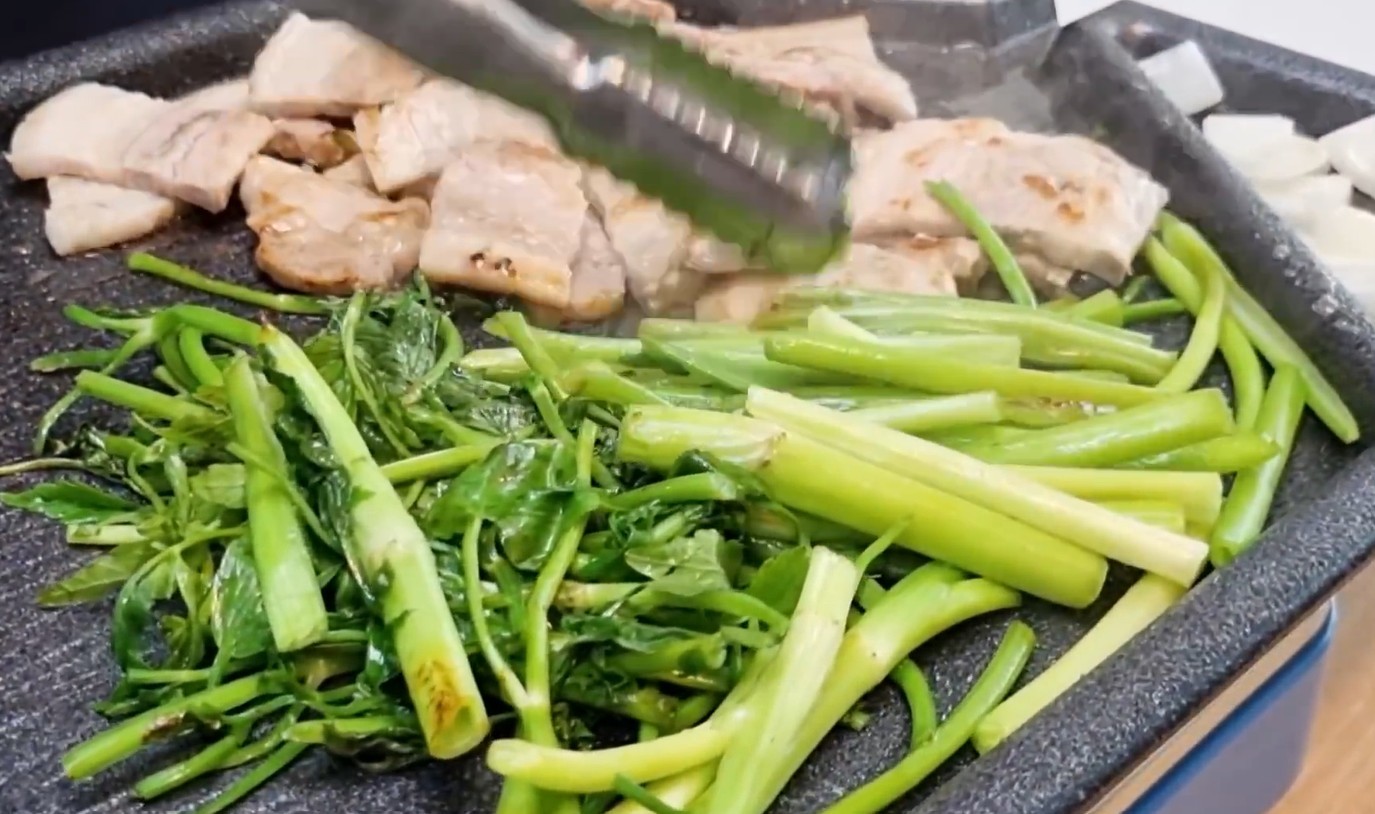
But technique matters when cooking minari with meat. If you overcook it, minari can turn tough or release too much moisture, which ruins the meat’s texture.
Start with proper cleaning. Rinse minari several times under running water to remove dirt and debris. Soil often hides between the stems, so fan them out and wash each stalk. After rinsing, shake off excess water—if you put wet minari on the pan, the released moisture will prevent the meat from browning properly.
Cut the cleaned minari into 4–5cm pieces. Too long and they’re hard to flip; too short and they lose their satisfying bite. A moderate length preserves texture and makes handling easier.
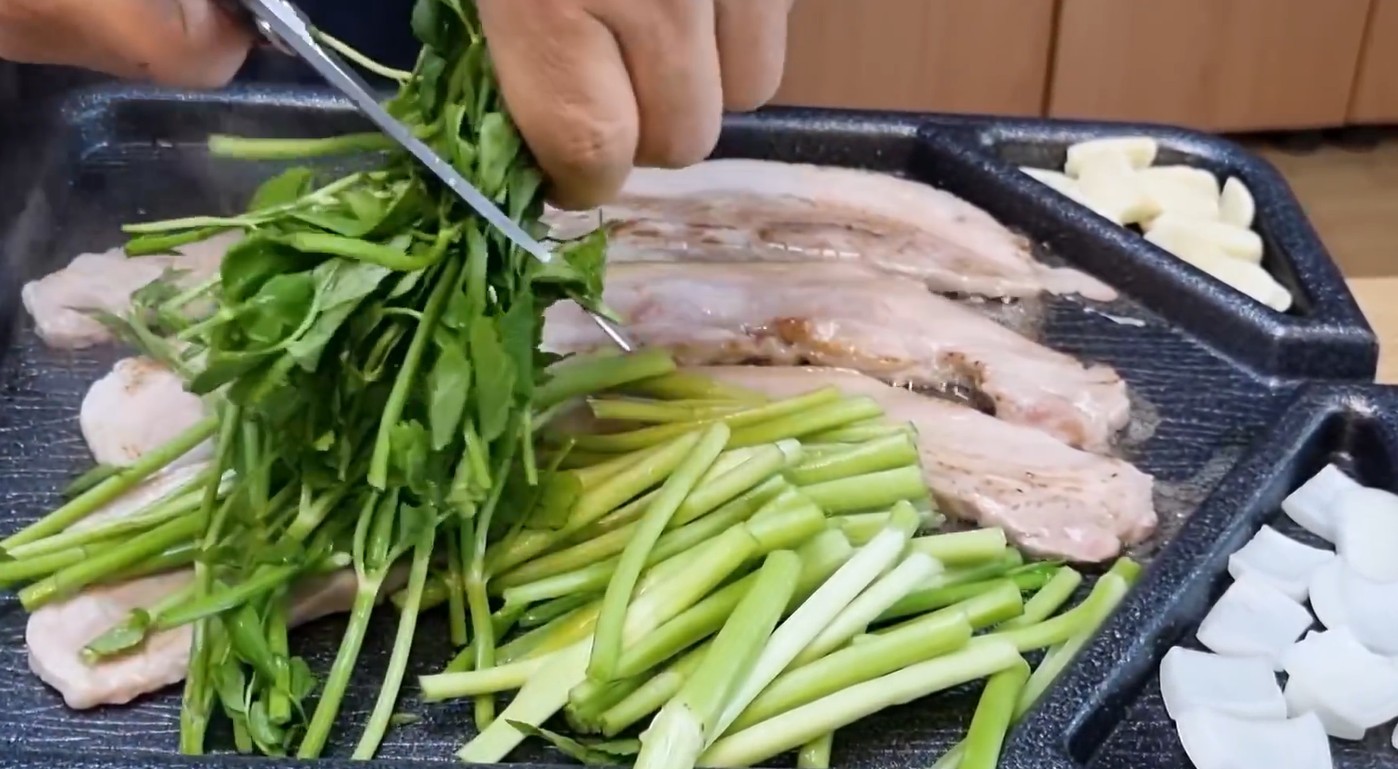
Timing is key. Don’t put minari on the grill at the very start—add it near the end once the meat has rendered some fat. When the pork belly’s sides are golden and fat has spread across the pan, add the minari so it lightly sautés in that flavorful oil.
Keep the heat at medium and lay the minari out gently instead of piling it up. Flip quickly and cook for only 20–30 seconds. Cook it too long and it will dry out and become chewy.
Another option is to drape the minari over the cooked meat. After the pork belly is done, lower the heat and place the minari on top for a short steam. This method keeps the minari moist and tender while warming it through.
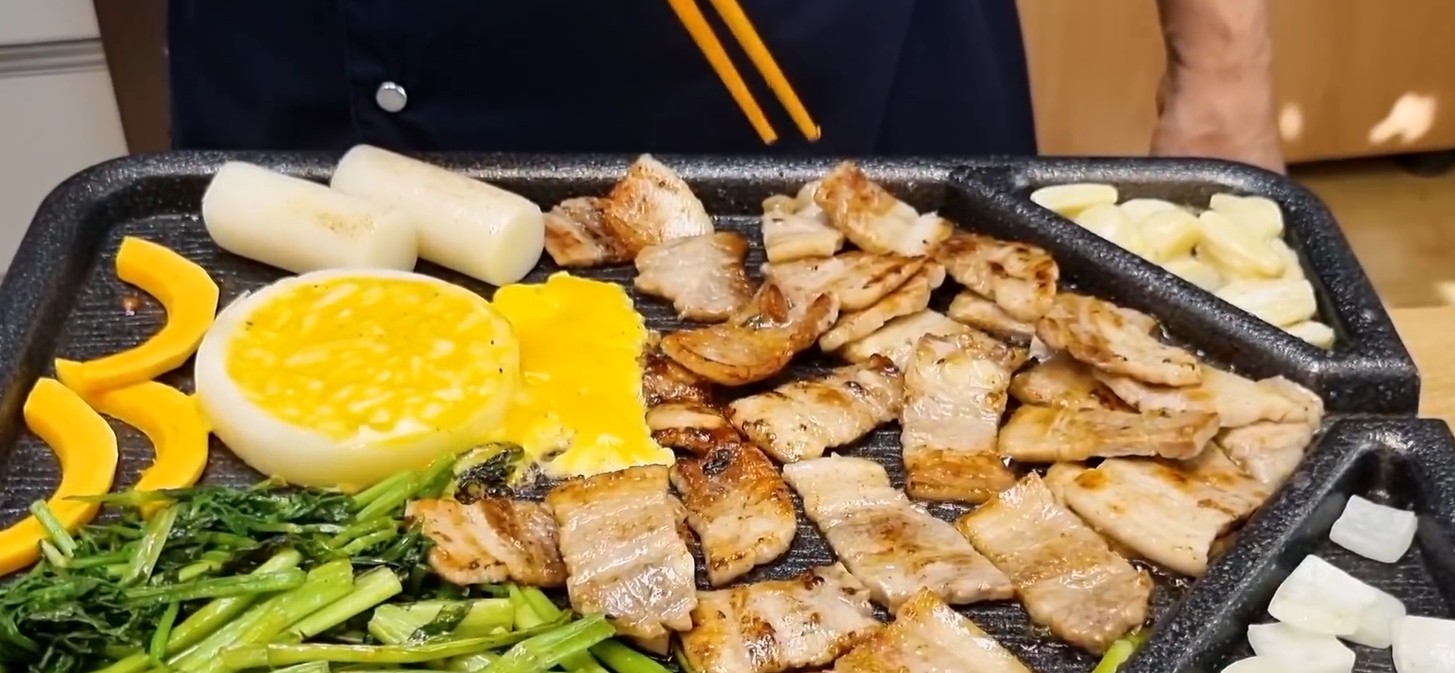
You usually don’t need extra seasoning—pork belly’s rendered fat and a touch of salt do the job. If you like, finish with a pinch of salt just before serving.
Serve it a few ways: eat grilled pork belly with minari as-is, or wrap them with ssamjang in a leaf for a richer bite. Serving minari on the side refreshes the palate and makes the next piece taste even better.
Ultimately, March minari is more than a simple wrap—it completes the pork belly experience. Using minari at its seasonal peak, when it’s most aromatic and tender, breathes new life into a familiar meal. With a little attention to timing and technique, you can enjoy tender, fragrant minari alongside your meat.
Your daily personal horoscope report! How will your day go?












Most Commented