
Translation result
Vinegar soaks are trending as an easy way to make minari tender and take the sharp bitterness out — no blanching required.
Minari, a classic spring green, is fragrant and packed with nutrients, but its bitter bite and fibrous texture often turn kids away. People usually blanch it in boiling water, but that dulls the aroma and leaves the stems limp. A no-blanch method that preserves crunch while softening bitterness has become a practical alternative.
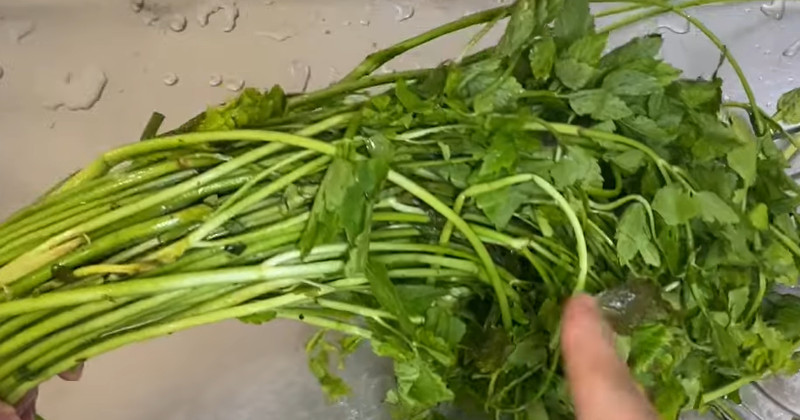
The trick is a vinegar soak. Start by rinsing fresh minari thoroughly under running water. Dirt can hide between the stems, so wash each stalk individually by giving it a gentle shake. After washing, cut the minari into 4–5 cm (about 1.6–2.0 in) lengths for easy eating.
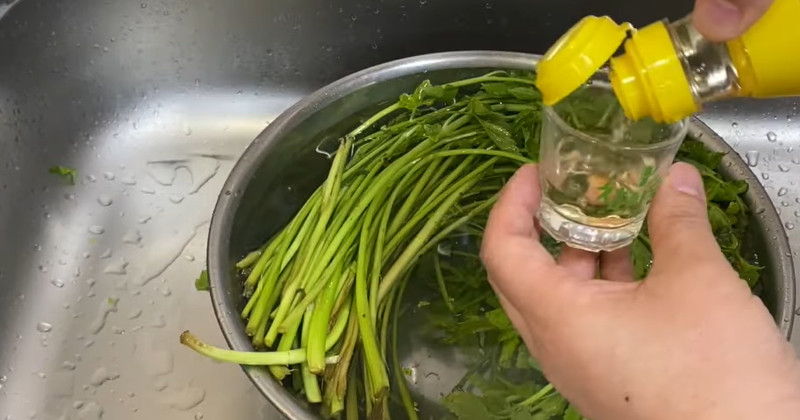
Fill a bowl with plenty of water and add 1–2 tablespoons of vinegar to make a mild solution. Submerge the cut minari and let it soak for 5–10 minutes. This step does more than clean — it’s the key move for shaping both texture and flavor.
Minari’s bitterness mainly comes from plant compounds like polyphenols. These compounds can leach into water, and they dissolve more readily in acidic conditions. The vinegar makes the water slightly acidic, which helps pull bitter compounds out of the minari. At the same time, the acid gently relaxes the plant fibers, softening the stems without turning them mushy.
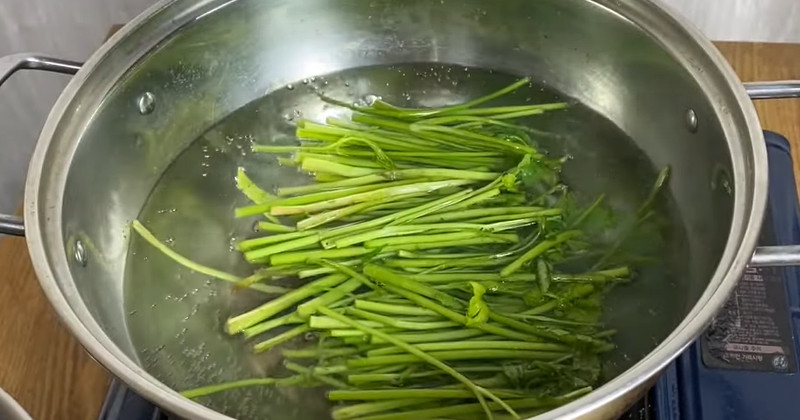
After 5–10 minutes, give the minari a quick rinse under running water to remove excess vinegar scent. Gently squeeze out the water by hand — don’t wring it. Too much pressure ruins the pleasant crunch. Remove just enough moisture so the stalks are slightly relaxed but still springy.
For even better texture, spread the drained minari out and let it sit for 3–5 minutes so surface moisture evaporates. This keeps dressings from getting watery and helps seasonings stick to the greens.
Now for the dressing. To make it kid-friendly, favor mild, nutty flavors over heat. Use a tiny amount of minced garlic and add a tablespoon of perilla oil or toasted sesame oil for aroma and richness. A touch of maesil syrup or oligo syrup brings a gentle sweetness that further tames bitterness. Finish with salt and a sprinkle of toasted sesame seeds.
That little hit of sweetness from maesil or oligo syrup helps counteract bitterness. First the vinegar soak knocks down bitter compounds, then the dressing balances flavors so kids are more likely to dig in.
Adding thinly sliced onion is another smart move. Soak the onion in cold water briefly, drain, and toss with the minari — the onion’s natural sweetness evens out the dish and adds a pleasant textural contrast.
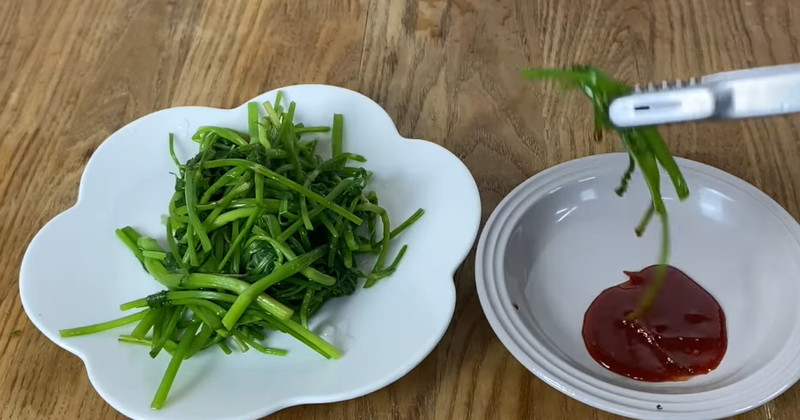
Skipping blanching also preserves nutrients. Because you’re not applying heat, more vitamins and volatile aroma compounds stay intact, so you keep that bright, fresh minari flavor. And since excess water isn’t produced, the side dish stores well.
Store dressed minari in an airtight container in the fridge and eat within 1–2 days. Over time moisture can return and the texture will soften. Give it a quick toss before serving to refresh the feel.
At its core, enjoying minari comes down to softening the tissue without cooking and reducing bitterness step by step. A vinegar soak solves both simply and effectively, making it an easy go-to technique at home.
Get your daily horoscope report! How will your day go?












Most Commented