
Translation result.
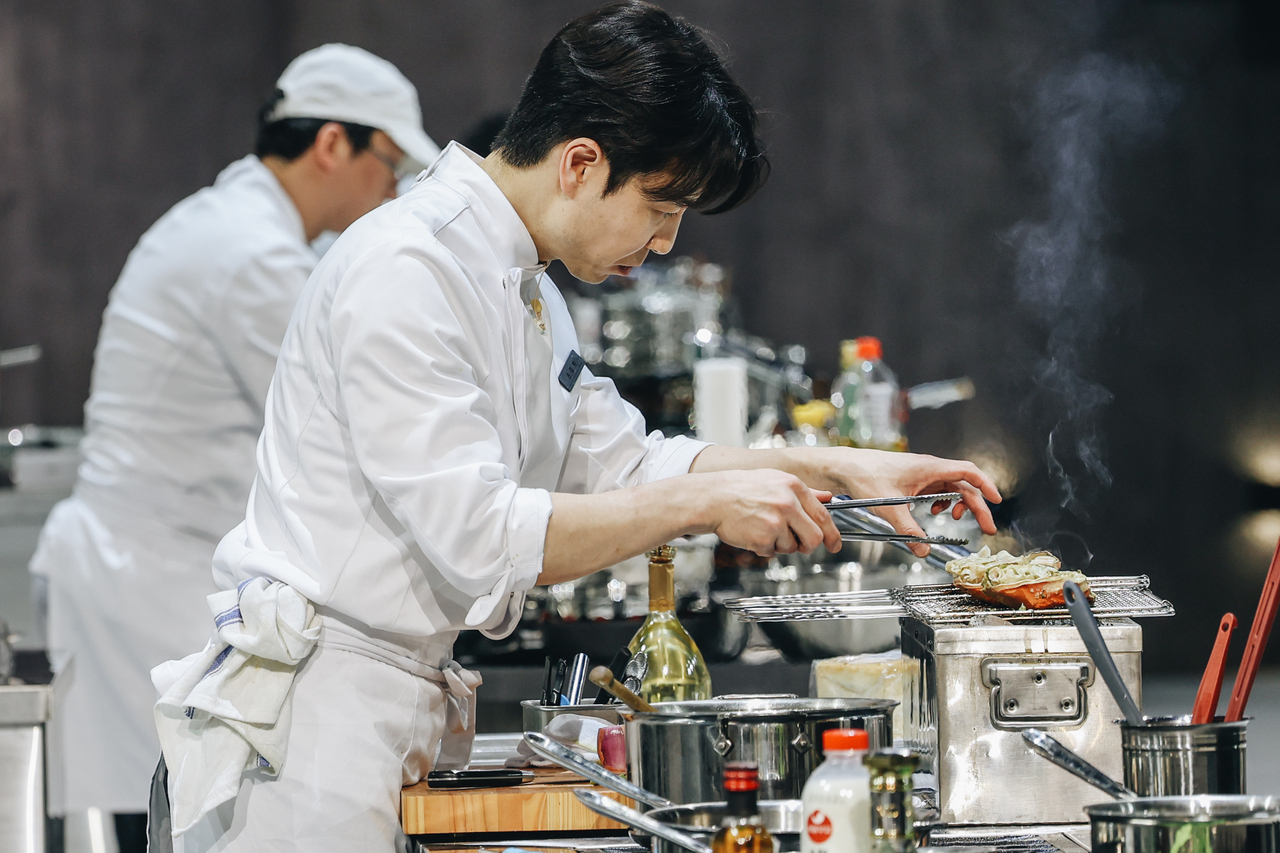
[Herald Economy = Reporter Jeong Howon] The runaway success of the cooking competition “Black-and-White Chef” fueled a 21% year-over-year jump in visits to Michelin restaurants last year, highlighting how a chef’s personal brand paired with hit TV content can directly drive consumer spending.
On the 19th, Shinhan Card’s Big Data Research Center reported that payment data clearly mapped the flow from popular broadcast content to real-world spending. Visits to Michelin restaurants rose 21.2% in 2025 compared with the prior year, and restaurants run by chefs who appeared on the show saw visits surge 42.2% versus 2024.
Eateries run by the so-called Heuksujeo chefs—who offered more approachable menus—saw lunchtime (11:00 a.m.–2:59 p.m.) traffic explode by 105% around the Season 2 release.
Taste preferences shifted with each season. After Season 1, Chinese cuisine jumped 168.3% and Western cuisine rose 165.8%. Following Season 2, Korean food climbed 85.6% and Japanese cuisine increased 75.9%, with familiar dishes like temple cuisine, galbi, and beef-bone soup stepping into the spotlight.
The foodie craze also changed how people use reservation platforms. Among dining-related social posts, mentions of “reservation” rose steadily from 12.6% in 2023 to 17.6% in 2025, while posts about on-site waiting dipped slightly. Booking services like CatchTable have become everyday tools for snagging spots at popular restaurants and enjoying that thrill of culinary conquest. In fact, social posts mentioning both “Black-and-White Chef” and “CatchTable” jumped 488% after Season 2 compared with Season 1, underscoring that reservations have become a must for dining out.
The show also reshaped how consumers view Michelin and fine dining. Social media analysis found mentions of Michelin and fine dining rose 43.2% and 11.4%, respectively, in 2025 versus 2023, before the program aired. Related keywords shifted from “anniversary” to terms like “chef,” “signature,” and “pairing,” signaling a move toward focusing on the food’s essence and the overall experience. Diners are increasingly treating high-end restaurants not just as places to eat but as entertainment—content to be experienced and shared.
Shinhan Card’s Big Data Research Center said, “This analysis confirms that ‘experiential consumption’ is rapidly expanding in the dining market. Dining choices are shifting beyond taste and price to prioritize experiential values such as story, space, and the chef’s personality and philosophy.”












Most Commented