
Translation result.
 |
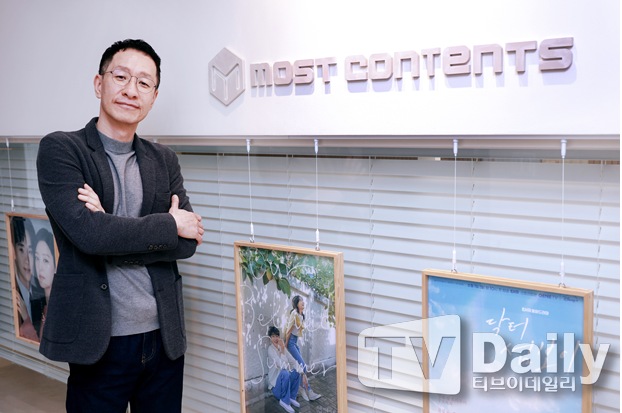
| MostContents CEO Yoo Jin-oh |
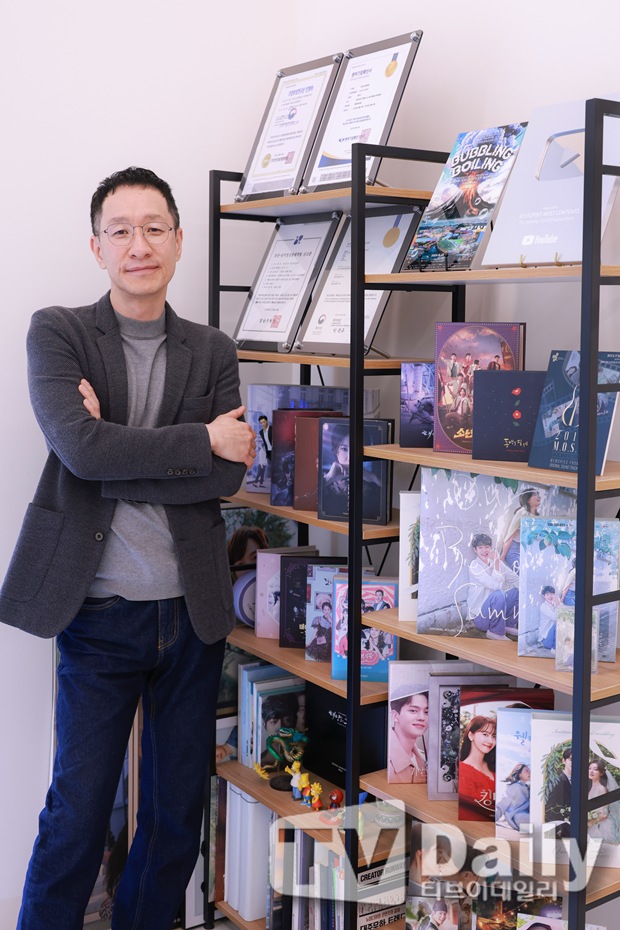
| MostContents CEO Yoo Jin-oh |
|
[TV Daily reporter Kim Han-gil] Yoo Jin-oh, CEO of MostContents, produces and distributes drama OSTs while running a content IP business, giving him experience in both the music and film industries. In a recent interview with TV Daily, he compared the structural differences between the two sectors, outlined the challenges the content market now faces, and sketched a path forward. Drawing on lessons from music’s transition, he diagnosed structural limits in the video industry and proposed practical reforms needed in the age of AI.
Yoo witnessed the digital music market’s turning point in the early 2000s. As an early member of KT Music (now Genie Music), he helped build paid music services. The industry collapsed amid rampant illegal downloads, but after monthly subscription models were introduced, revenues stabilized and a viable business model emerged. “There was strong pushback at first, but the subscription model ultimately aligned with how people consumed music and allowed the industry to grow steadily,” he said. “The critical factor was how accumulated IP produced ongoing revenue.” Because music lends itself to repeat consumption, subscriptions fit naturally and, over time, copyright income built up.
That background shapes his view of the video business today. He argues that drama and OTT-centered markets carry high production costs but weak revenue mechanisms. “Video content has limited repeat consumption, yet it’s treated like music under the same subscription model,” he said. “We need to ask whether that model can sustain the industry over the long term.” He identified the prevailing “delivery-based” system as a core problem. Production companies sell content to platforms for a fixed fee, so they rarely share in upside after a hit. That deprives them of steady funds for reinvestment and leaves them bearing the mounting pressure of financing subsequent projects. “When music companies own IP, they continue to earn and can take creative risks. Video lacks that system, so the industry needs a structural overhaul,” he said.
To remedy this, he proposed a phased monetization approach: launch with transactional pricing that reflects a title’s value, then transition to subscription access after a set period. “We should study how webtoons eased consumer resistance during monetization with tactics like ‘wait-and-read-for-free,’” he said. He also stressed IP expansion. MostContents has moved beyond OST production into concerts, overseas remakes, and film concerts. By working on OSTs for globally recognized dramas such as Goblin, Descendants of the Sun, and Crash Landing on You, the company has shown how musical IP can be extended. Film concerts that pair scenes with live music, in particular, lengthen a property’s shelf life and create new revenue streams. “Overseas, performances based on film or animation IP have become their own industry,” he said. “Our content makers should pursue more post-production uses.”
He also weighed in on AI-driven changes. While he agrees AI can improve production efficiency, he warned it could unsettle industry foundations. Beyond cost savings and faster workflows, the crucial issue is how finished content is distributed and turned into revenue. “No matter how advanced the technology, the industry can’t endure without a sound revenue model,” he said. “AI operates on top of the existing system, so unless we redesign the underlying architecture, AI’s impact will be limited.” As AI production tools lower costs, defining content value and redesigning revenue-sharing frameworks has become a central industry challenge.
He recalled that the music industry survived its clash with IT platforms through negotiation and institutionalization, creating a new order. “The video industry is going through a similar process,” he said. “Now is a crucial moment to redesign the system.” He summarized the content industry’s sustainability in one phrase: structural design. “Creating great content isn’t enough. How content is distributed and converted into revenue matters more,” he said. “Only when IP accumulates and circulates will the industry sustain long-term growth.” Ultimately, success isn’t just about how well something is made; it’s about how long it can be preserved and expanded. [TV Daily reporter Kim Han-gil news@tvdaily.co.kr / Photo by Ahn Seong-hoo] |


| Submit a tip news@tvdaily.co.kr See more articles by Kim Han-gil |














Most Commented