
Translation result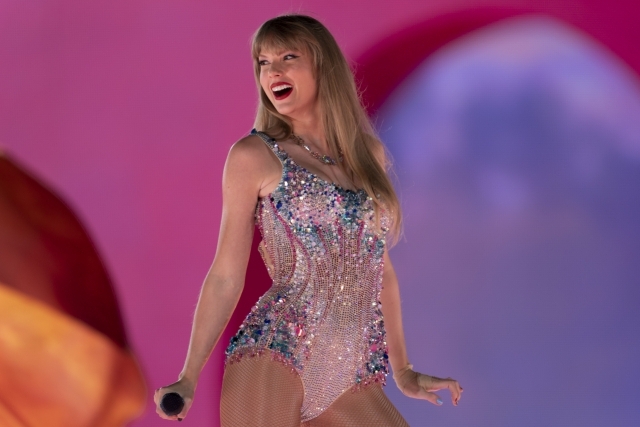 [Herald Economy = Reporter Lee Won-yul] Pop star Taylor Swift, 36, whose global fame has reached historic levels, is taking steps to secure legal control over her image and voice as advances in artificial intelligence raise the risk of realistic fake videos and audio of public figures.
In previous incidents, sexually explicit images created by splicing Swift’s face onto other bodies circulated online.
Variety reported on the 27th (local time) that Swift’s asset management firm, TAS Rights Management, filed trademark applications with the U.S. Patent and Trademark Office on the 24th for two voice marks and one image.
The two voice marks cover Swift’s signature greetings: “Hey, it’s Taylor Swift” and “Hey, it’s Taylor.”
The image shows Swift holding a pink guitar while wearing silver boots and an iridescent bodysuit.
Intellectual property attorney George Geoben said the filings appear to reflect the entertainment industry’s growing concern about the potential risks of AI using an artist’s voice and likeness without consent.
Earlier, actor Matthew McConaughey also filed trademark applications with the patent office for eight items, including his voice and image, in an effort to block unauthorized AI use.
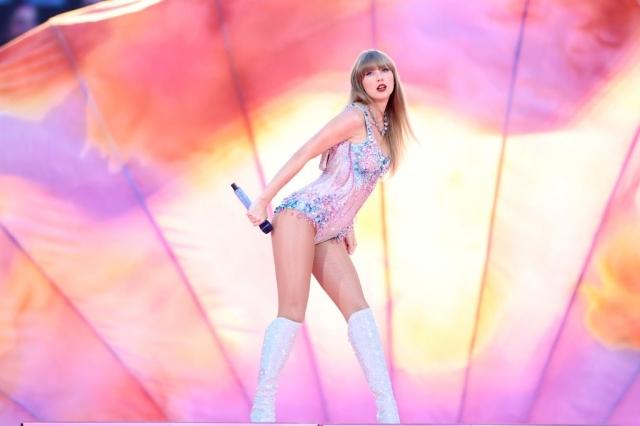 Swift’s face has already been used without permission in AI chatbots and in pornographic deepfake images.
In 2024, The New York Times and CNN reported that sexually explicit deepfakes of Swift had spread across platforms such as X.
Accounts that posted the images were later suspended, but the New York Times said the posts had amassed about 47 million views before they were removed.
Outraged fans criticized X for allowing the images to proliferate and launched campaigns to make the images harder to find, adding related keywords and using the slogan “Protect Taylor Swift.”
The episode prompted renewed calls for tougher regulation of AI-generated fake images.
Microsoft CEO Satya Nadella told NBC Nightly News anchor Lester Holt that the deepfakes were “shocking and awful,” warning, “We need to move faster and take action to fight deepfakes.”
He added, “I believe everyone benefits when the online world is safe. No one wants an internet that isn’t fully safe for both creators and consumers.”













Most Commented