
A running boom among people in their 20s and 30s is erasing the boundary between mainstream culture and the fashion industry. Young consumers are no longer just buying a drink—they’re adopting the lifestyles brands promote: wearing the gear, running in it and sharing those choices online, expanding how they connect with labels.
On the 4th, OB Beer announced a collaboration between its low-calorie beer Cass Light and Musinsa’s in-house sports label, Musinsa Standard Sports, to launch a running-wear collection.
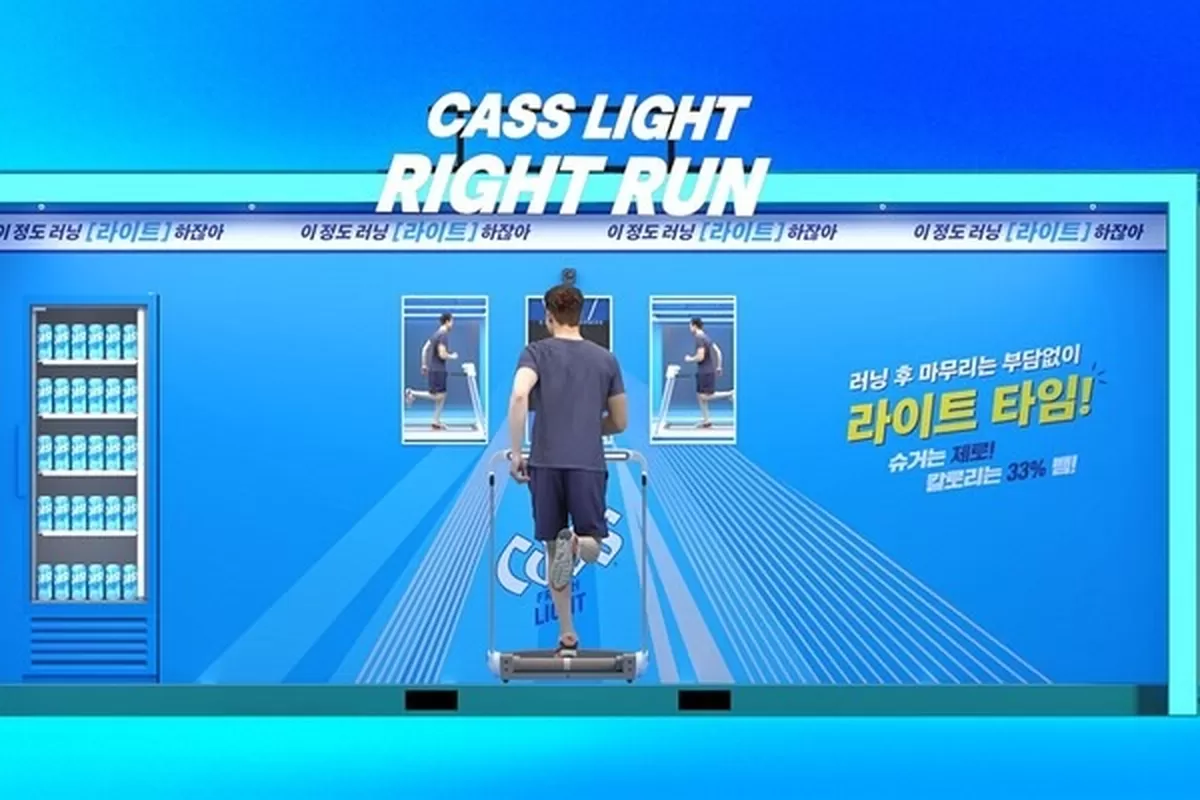
Cass Light linked its “light” identity to running, turning a low-calorie pitch into wearable lifestyle items rather than a simple advertising slogan.
The collection includes six running essentials: T-shirts, running shorts, vests, hats, socks and soft-flask water bottles.
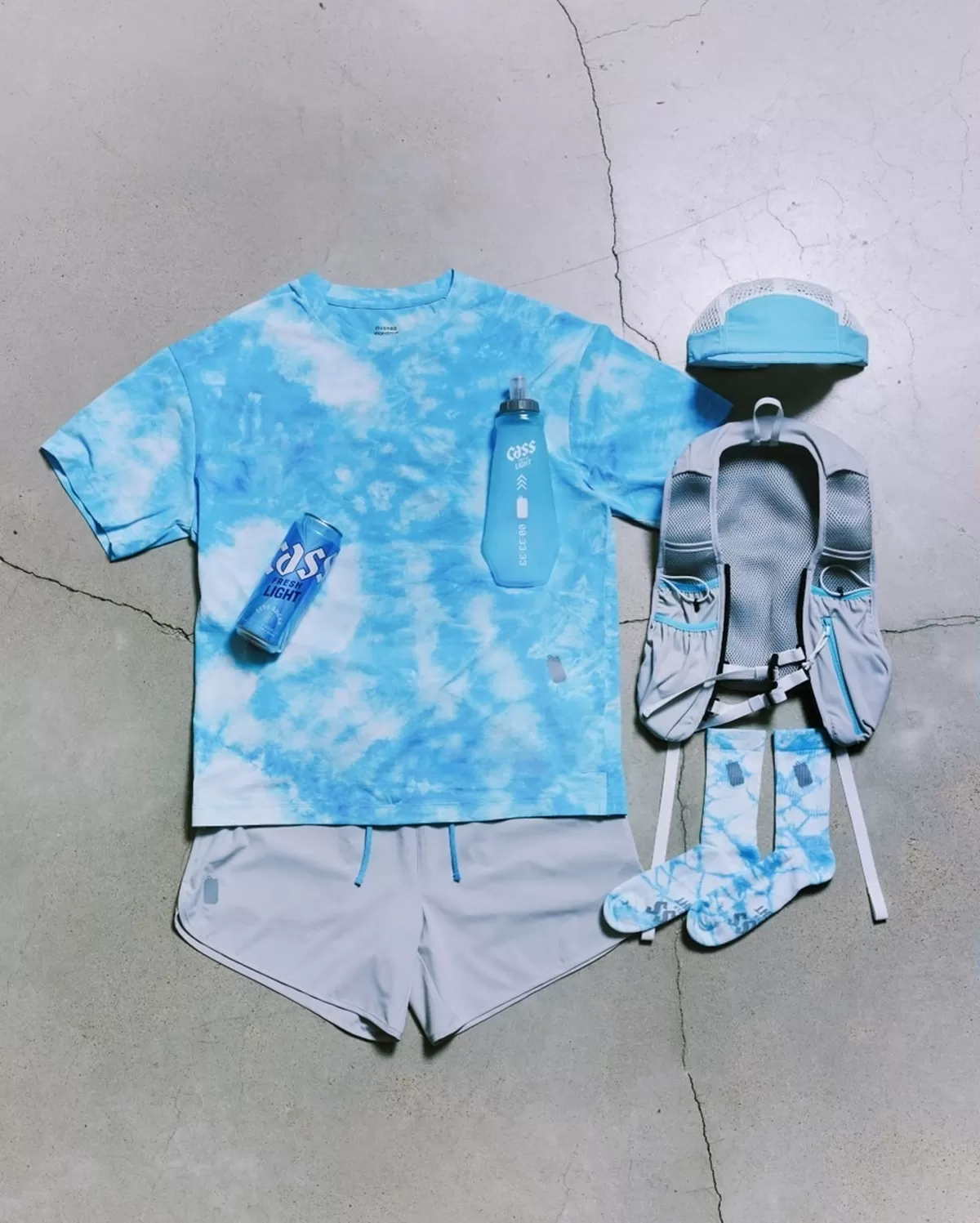
Musinsa will sell the collection exclusively through its app, while staging in-store displays at major supermarkets, offering gift-with-purchase promotions and organizing running-crew competitions.
Alcohol brands have recently pushed beyond convenience-store coolers and bar counters into fitness, fashion and community spaces.
A beer label releasing running gear isn’t just an offbeat collaboration; it signals a broader change in where and how consumers experience brands.
The shift goes both ways. As alcohol brands move into fashion, beauty and lifestyle platforms are expanding into alcoholic and nonalcoholic categories.
The “Big Blur” between industries is becoming more apparent on the retail front.
Fashion platform W Concept recently added alcohol-related clauses to its user terms, laying groundwork to expand into new categories within the scope of online commerce.
29CM, part of the Musinsa group, has been broadening its curated assortment to include traditional liquors, nonalcoholic wine and alcohol-free beverages.
Last year it drew attention with a special-edition collaboration between Jinmak Soju and Minumsa, pairing literary content with traditional liquor as a limited-edition product.
CJ Olive Young once carried wine and whiskey in its health-and-beauty and lifestyle stores; more recently, it has shifted assortments toward nonalcoholic offerings to align with wellness trends.
These moves reflect strategic changes aimed at younger shoppers who prioritize both wellness and personal taste.
At the core of this shift are changing drinking habits among people in their 20s and 30s. Where alcohol consumption once revolved around company dinners, drinking volume and brand loyalty, it now centers on taste, health, experiences and rarity.
Many young people reduce alcohol in daily life with low-alcohol and nonalcoholic options, then express their preferences on special occasions with whiskey, traditional liquors or limited-edition collaboration releases.
Running has emerged as a fitting bridge for alcohol brands to reconnect with young consumers.
Running is exercise, a community activity, a fashion choice and social-media content all at once. Picking shoes, coordinating apparel, running with a crew and sharing routines online together form a cohesive lifestyle loop.
Cass Light’s move into running wear appears aimed at extending the brand’s image of a light, healthy everyday life into experiences beyond the bottle, rather than directly promoting beer.
That approach helps brands find new touchpoints while letting consumers experience familiar labels in entirely new ways.
Alcohol brands enter young customers’ daily lives through fashion products, while fashion platforms widen taste-driven choices by adding traditional and nonalcoholic beverages.
Ultimately, the retail battleground has shifted from what products are sold to how naturally a brand can be embedded in a consumer’s lifestyle.











Most Commented