
Don’t just chase 10,000 steps—walk at this time and multiply the benefit tenfold

Contents
Why the time of day you walk matters
Why morning walks are good for your body
Why night walks are gaining attention
How walking affects metabolism
Why you lose benefits if you walk the wrong way
How to walk most efficiently
In the end, the body responds to rhythm

1. Why the time of day you walk matters
Walking is the simplest form of exercise, but the time you choose can change how your body responds. Hormones, body temperature and metabolic processes shift over the course of a day, so the same walk can feel and work differently depending on when you take it.

2. Why morning walks are good for your body
A morning walk jump-starts circulation and metabolism that slow overnight. Exposure to sunlight helps reset your circadian rhythm and sharpens alertness. A short, easy walk before breakfast can also help establish a steady activity pattern for the day.

3. Why night walks are gaining attention
Evening walks can help the body unwind after a busy day. A gentle stroll after a meal eases digestive strain and can blunt blood-sugar spikes. Just avoid vigorous exercise too late, which may make it harder to fall asleep.

4. How walking affects metabolism
Walking engages your muscles, increases blood flow and boosts energy expenditure. Those effects support maintenance of your basal metabolic rate (BMR). Done regularly, walking helps stabilize circulation and metabolic rhythms.
5. Why you lose benefits if you walk the wrong way
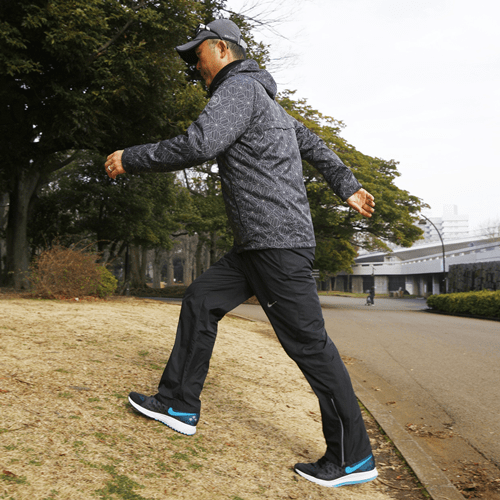
Longer doesn’t always mean better. Poor posture or walking at an excessively fast pace can strain your knees and ankles. Likewise, pushing hard immediately after eating can increase digestive discomfort rather than help it.

6. How to walk most efficiently
In the morning, aim for a light 20–30 minute walk. In the evening, take a slow post-meal stroll to ease digestion. Consistency matters more than speed. Stick to a comfortable pace you can maintain regularly.

7. In the end, the body responds to rhythm
Exercise is less about volume and more about rhythm. The body adapts best to regular, repeated movement patterns.















Most Commented