
Translation result
[News Culture reporter Kwon Subin] Bringing plants indoors does more than brighten a room — it delivers a range of benefits. Their living presence can reduce eye strain, calm the autonomic nervous system and help ease mild depression and everyday stress.
Plants also act as natural humidifiers through leaf transpiration, helping to prevent indoor dryness. They absorb airborne pollutants and release oxygen, improving indoor air quality and residents’ overall well-being.
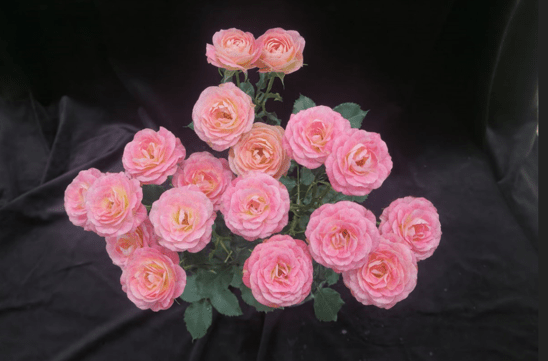
A surge of high-quality, domestically bred varieties tailored for indoor display has entered the floral market, giving consumers more options for home decor.
Roses, for example, are typically offered as standard stems with a single bloom or as spray types with multiple blooms per stem. Varieties drawing attention for vigorous growth and striking looks include ‘Ruby Red’ (a vivid red), ‘Pink Star’ (star-shaped petals) and ‘Fantasparkle’ (bicolored petals).
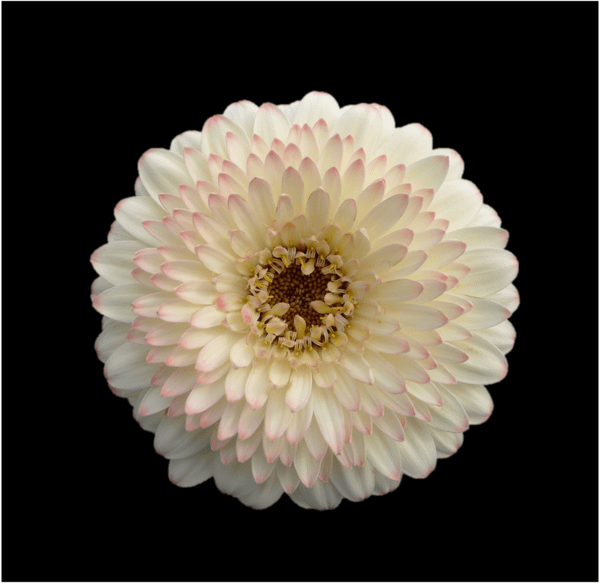
Gerbera, once mainly used for celebratory arrangements, has been bred into rounded pompon shapes and pointed spider forms, making it a popular choice for indoor use. Favorites include ‘Feather Pink’ and ‘Banhana’, both noted for their brown centers, and ‘Somi’, which is distinguished by its green disc.
Cut flowers sold without roots need careful care to extend their vase life. Start by trimming the stems on a diagonal to maximize water uptake. Keep the water level shallow — about 5–7cm — so leaves don’t touch the water and encourage bacterial growth. Add a commercial floral preservative to the vase water, or a small mix of sugar and a mild acid such as vinegar or citric acid, to keep blooms looking fresher for a few extra days. Avoid overcrowding the vase: place roughly three to seven stems per vessel, and keep arrangements in a cool spot out of direct sunlight with good air circulation.
No matter how attentive you are, fresh flowers have a limited lifespan. If you want longer-lasting color and texture, preserved flowers — treated with chemical preservatives to retain their feel and form for years — or high-quality artificial flowers are excellent alternatives.
Preserved florals won’t provide a plant’s natural scent, air-purifying effects or humidity control, but they do deliver sustained visual appeal and similar emotional benefits rooted in aesthetic satisfaction.
Whether you choose rotating fresh blooms to enjoy seasonal variety or preserved and artificial options for a low-maintenance look, bringing flowers into your living or work space is a modest yet meaningful way to reclaim moments of calm in a busy life. Select species and forms that suit your taste, place them in a living room corner or on your desk, and they can help refresh a weary day and offer a small emotional refuge.
News Culture reporter Kwon Subin ppbn0101@nc.press














Most Commented