
Placed 77th of 78 in his first contest…by his senior year of high school he stood among the world’s best
One piece took a full 10 months…shot 1,200 photos to get a single keeper
“You can’t make a living from aquascaping alone…my dream is to be a fisheries researcher”
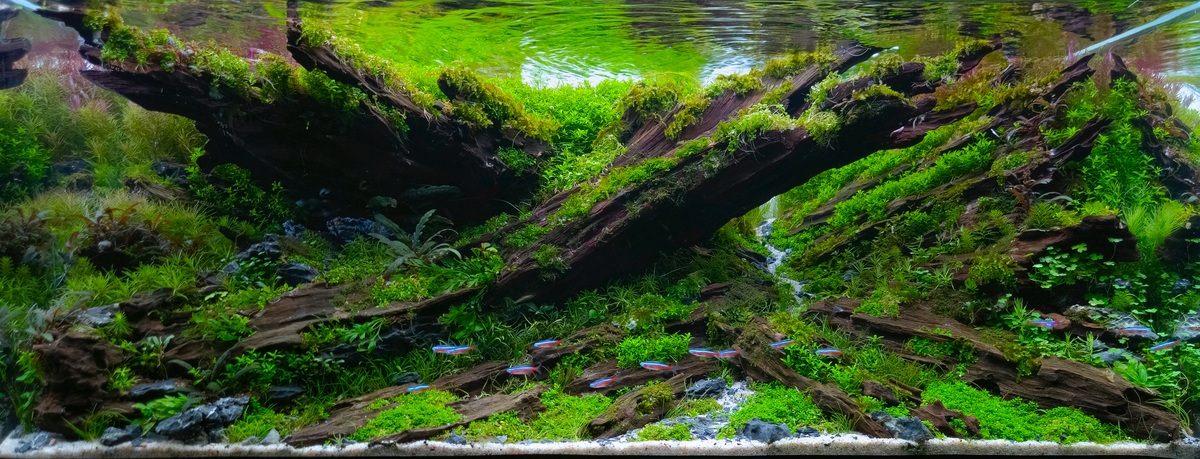 Inside a 90-centimeter (about 35.4-inch) glass tank, jagged stones and long driftwood rise among green aquatic plants while fish swim in tight schools. It resembles a forest—but it’s not mere aquarium decoration. It’s aquascaping: the craft of shaping an underwater ecosystem.
A 21-year-old has turned heads across the global aquascaping world, including in the United States. Im Do-gyun, a second-year student in the Fisheries and Life Sciences Department at National Gunsan University and a self-described aquatic‑plant enthusiast, took first place in the 90~220L division at the prestigious 2025 AGA International Aquascaping Contest in the U.S., beating 426 entries from 52 countries to claim the top prize.
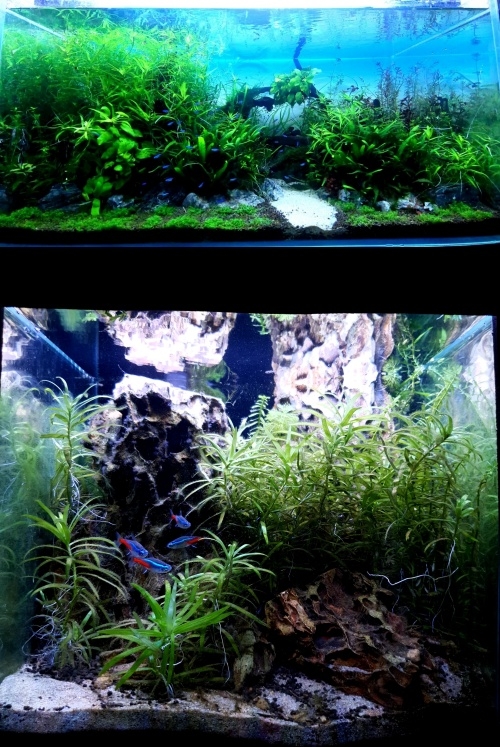
He didn’t start out gifted. Im began keeping fish in fifth grade and only discovered aquascaping in his second year of high school. Seeing artists shape scenes with stone and wood at an expo piqued his interest, and he taught himself the craft.
His first competition result was brutal: 77th out of 78. Im says he hadn’t learned to grow plants well yet and had cluttered the tank with too many elements, which made the layout feel cramped.
 That setback ignited his obsession. He scoured social media and blogs of leading artists, attended seminars and expos, and asked questions in person to refine his approach. His parents recognized his commitment and drove him to out‑of‑town events, becoming his most reliable supporters.
By his senior year of high school, even while juggling college entrance exams and applications, he was up nights working on tanks. In 2023 he placed seventh at KIAC, breaking into the international top tier for the first time among 301 entrants from 42 countries. He followed with a top‑10 finish in the AGA 162~220L division, sixth at ITAC, and 10th at RFLAC.
In 2024 he again surprised AGA judges, finishing second in the 80~161L division. Last year he dominated the leaderboard across three major international contests—taking first in the AGA 90~220L division and placing highly at KIAC and IAPLC.
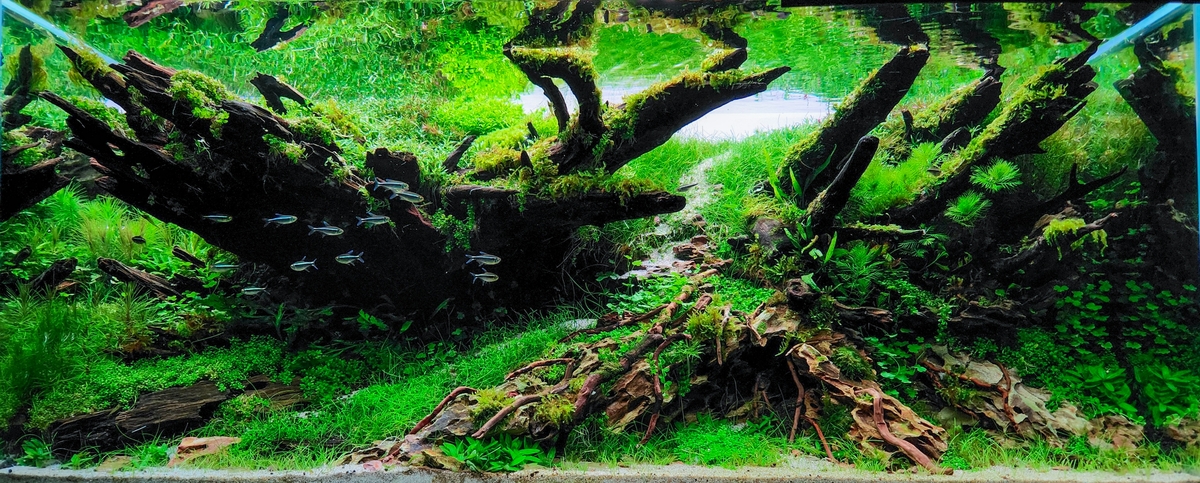
The work that earned him the world title is titled Fading Time of the Forest, conceived around the idea of an ancient woodland. A large X‑shaped driftwood structure suggests antlers peeking through trees, and the fish drifting through the scene symbolize life persisting in a fading forest. He spent more than two weeks refining the central driftwood alone.
He spent nine months on this single piece. He sketched the concept in August 2024, built the structure in September, planted the aquarium plants in February 2025, then photographed and submitted the entry in May. “International contests are held once a year, so you really need at least six months to prepare,” he said.
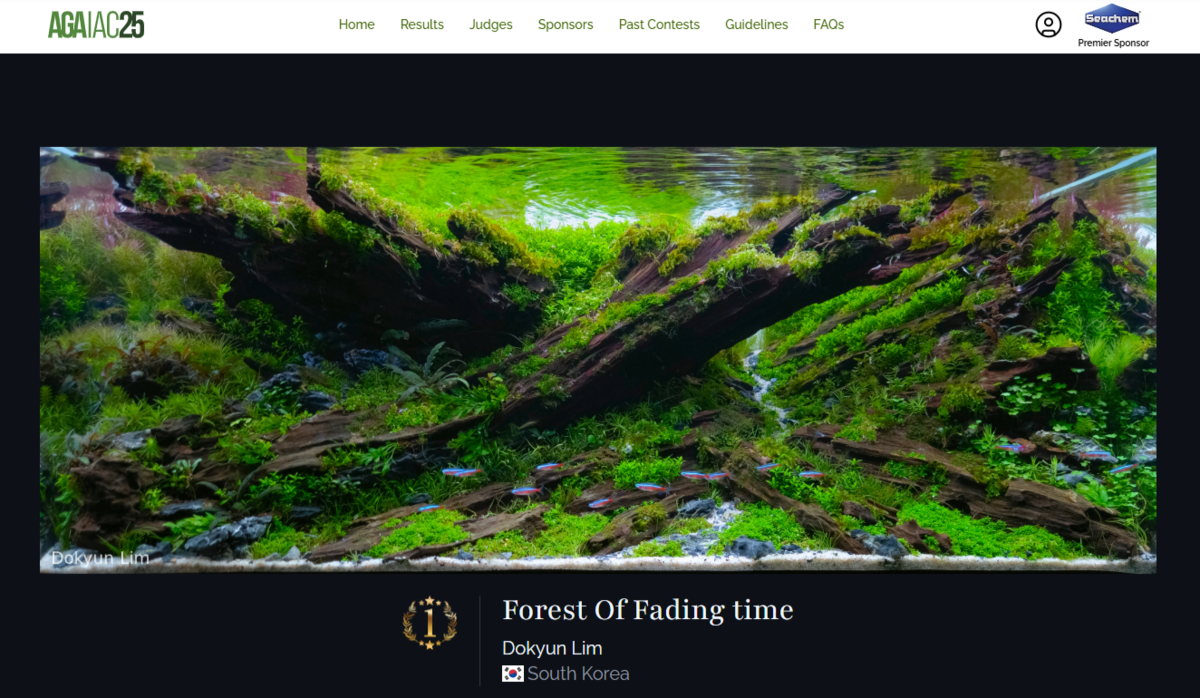 Because international contests accept photographed submissions, the shoot is critical. Exposed gear such as filters or heaters scores you points, so a single frame must capture the fish schools and the plants’ color harmony.
Im avoids flashy species like guppies or bettas because they draw attention to the fish rather than the composition. He prefers cardinals that school in unison and move in one direction. “Guppies and platies tend to move independently and split the viewer’s focus,” he explained.
To get one keeper, he sometimes shot more than 1,200 photos on his phone—once overheating it until the camera shut off on the submission deadline. On another occasion, the fish he’d raised hid among the plants in fright, and he couldn’t get a single usable image despite staying up all night. Two days before the deadline, he rushed to a nearby pet shop, borrowed other fish, and barely submitted on time.
So what distinguishes Im’s work? Fellow artists point to his use of layers. He arranges driftwood and stone so the elements shrink toward the rear, creating perspective and depth inside a confined tank. He also positions plants so their reflections on the side glass enhance the atmosphere.
Inspiration can come from anywhere. A scene in a film or a moment on a walk that seems transferable to a tank is immediately sketched. His IAPLC 2026 entry, due May 31, was inspired by the world tree and the Na’vi from the film Avatar: a large central trunk with root‑like structures radiating outward forms the core of the design.
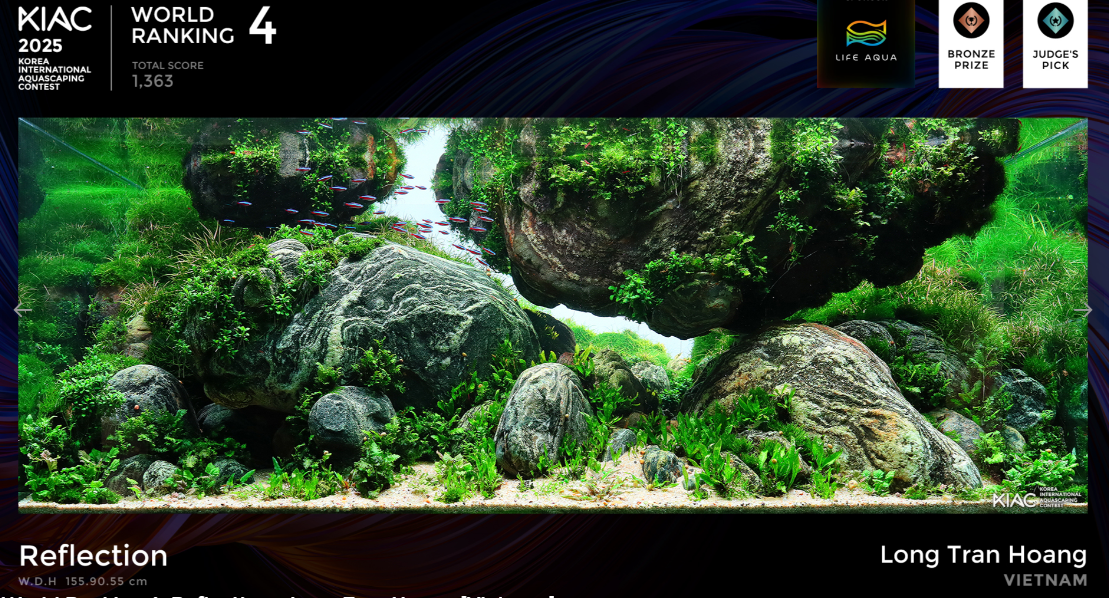
He studies other artists closely. He singled out Reflection by Vietnamese artist Long Tran Hoang—who placed fourth in the KIAC 2025 world ranking—as particularly striking. The piece balances two massive stones, each 70–80cm, held only by smaller stones. It looks as though it could collapse at any moment yet maintains a poised equilibrium. “That tension-within-stability made a deep impression,” Im said.
“I believe the intention and mood a piece conveys matter most. Some artists’ work is so distinctive you can recognize it from a photo without seeing a name. I want to apply new concepts every year and build my own artistic voice.”
The costs add up. His first 90cm tank cost roughly 1.1 million KRW (about $825). With no equipment, he bought the tank and stand (200,000 KRW (about $150)), filtration gear (200,000 KRW (about $150)), lighting (200,000 KRW (about $150)), plus driftwood and plants. He’s since reduced expenses by reusing gear and now spends about 400,000 KRW (about $300) per recent entry.
As a college student he can’t afford new equipment for every piece. He dismantles previous works to prepare for the next, accepting the loss because the materials can be reused. He funds his hobby with part‑time pay and allowance. “I don’t really spend money on much else, so I save most of my allowance,” he said.
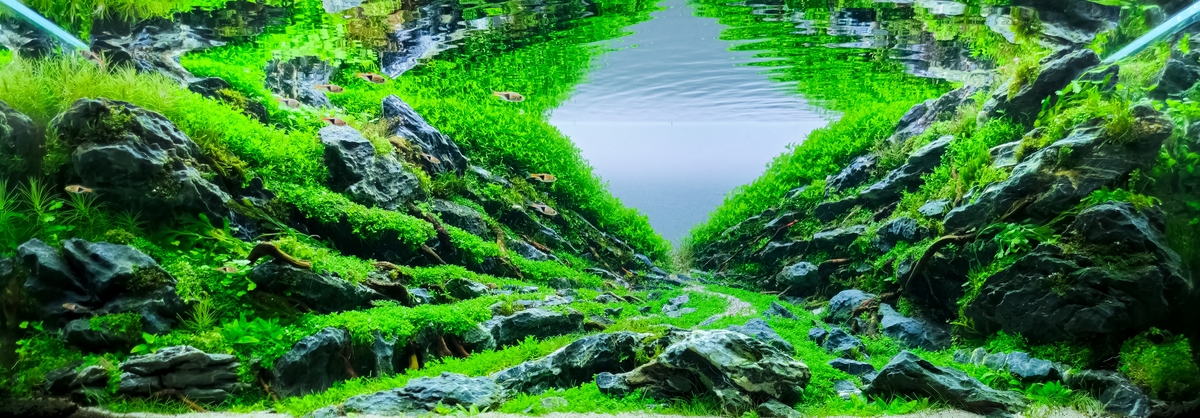
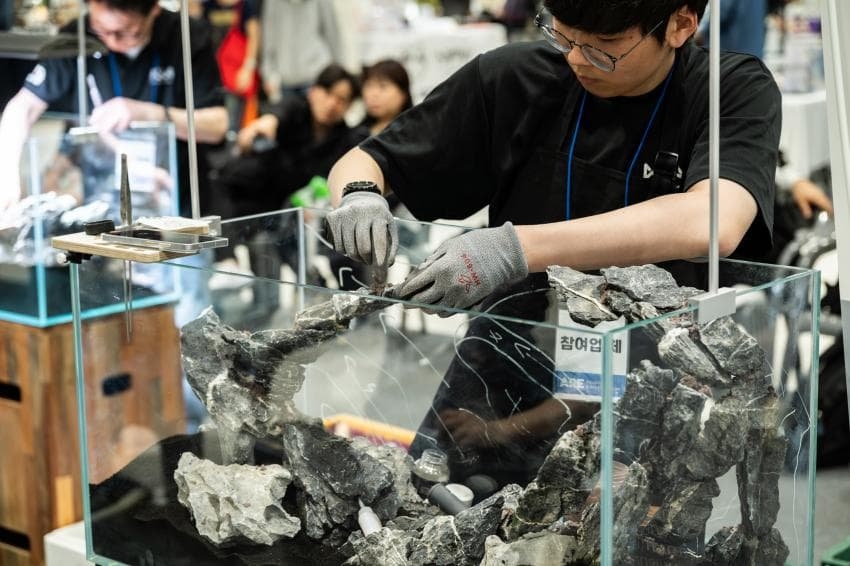
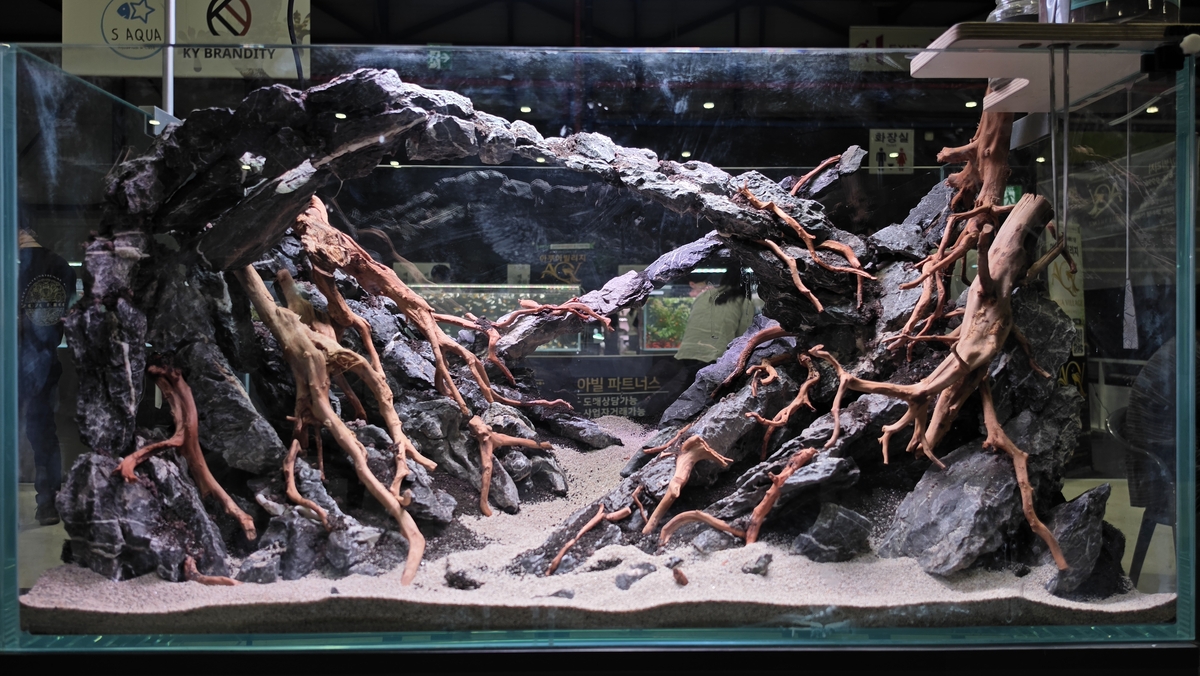
His passion and skill also draw live audiences. At the 3rd 2026 Ornamental Fish & Reptile Expo in May at the Seoul Trade Exhibition & Convention Center (SETEC), he staged a live build from 10 a.m. to 6 p.m., breaking stones and fitting wood in front of visitors. “Many people like cave‑like aquascapes, so I designed a curving cave that leads the eye from left to right,” he said; that piece sold at auction for 700,000 KRW (about $525).
 Im’s long‑term goal is to work as a fisheries researcher for an agency under the Ministry of Oceans and Fisheries after graduation. He judges it difficult to earn a stable living from aquascaping alone, so he’s postponed his plan to open a private aquascaping shop until later in life.
But he hasn’t compromised his artistic ambitions. “Someday I want to exhibit my work in large aquarium spaces like COEX or Aqua Planet,” he said.












Most Commented