
Translation result
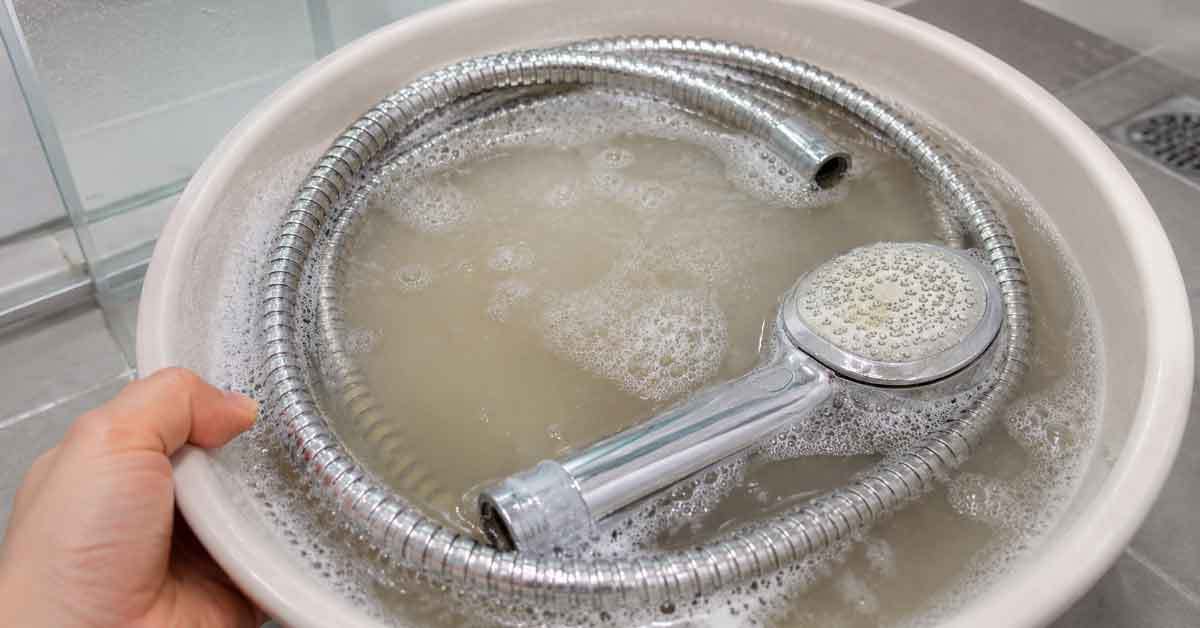
As the weather warms, more people are beginning their annual deep clean.
They dust the living room, scrub grease from the kitchen and scour the bathroom tiles. Even so, many miss the spot that’s actually the grimiest.
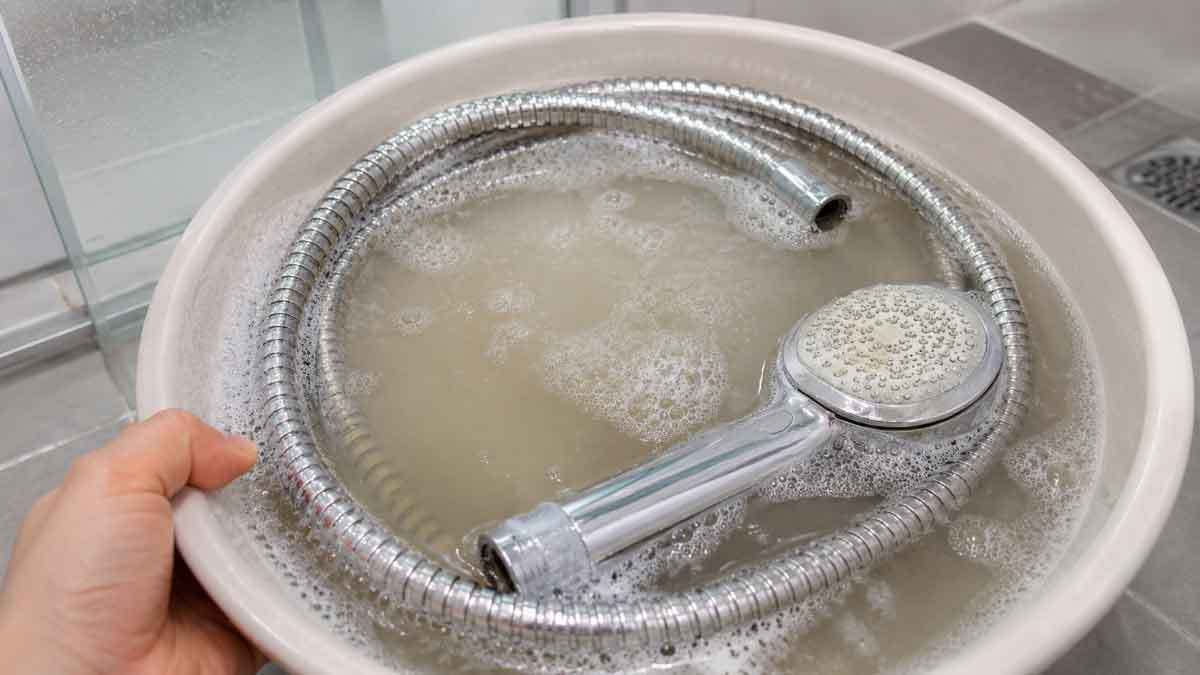
It’s the inside of the shower hose and the shower head you use every day.
The inside of your daily shower can be surprisingly dirty
Because water runs through it constantly, it’s easy to assume a shower stays clean. In reality, the hose that links the wall faucet to the shower head and the head’s nozzles collect limescale, biofilm, bacteria and mold.
Even after you turn the water off, small amounts remain trapped inside the hose. A bathroom’s warm, humid conditions also make it an ideal place for bacteria to grow.
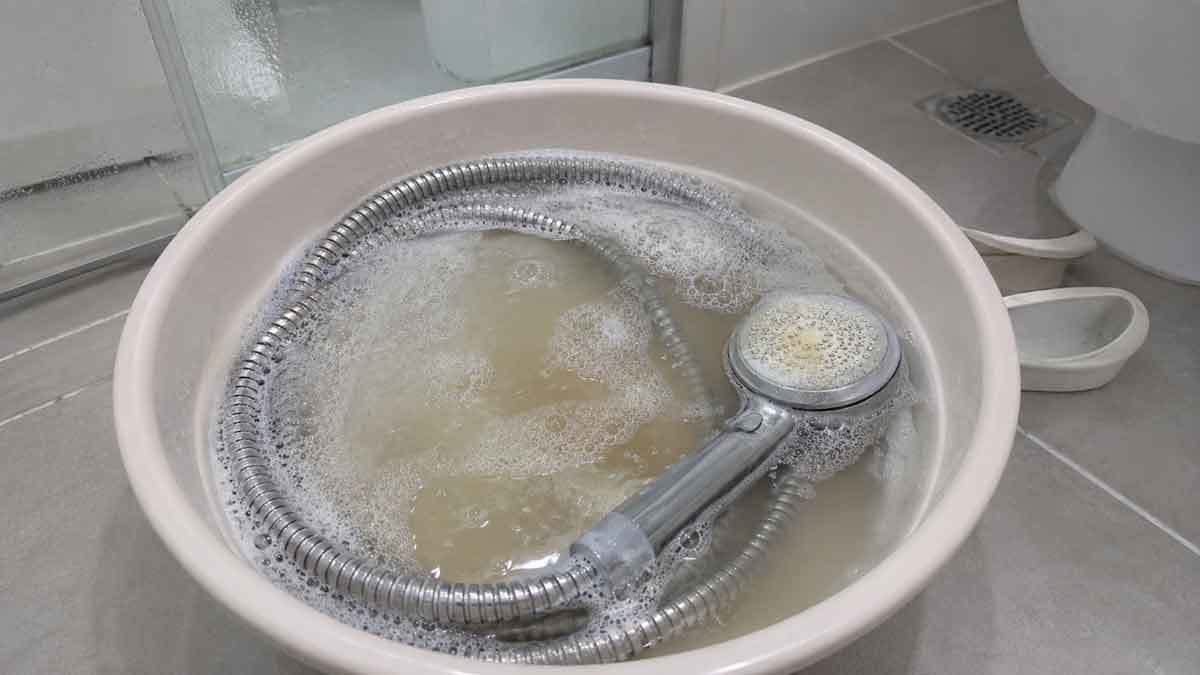
If you detach the shower hose, you may find black residue inside or notice a fishy, sewer-like smell. Soaking it for just 10 minutes in sodium percarbonate (oxygen bleach) can turn the soak water cloudy—sometimes with an odor like a drain.
If you’ve never cleaned your shower, you’ve been standing under that contaminated flow every day.
Pour hot water and watch the residue float up
You’ll need sodium percarbonate (oxygen bleach), a basin, hot water, a funnel, a toothbrush and an adjustable wrench. Sodium percarbonate can be bought at stores like Daiso—500 g for about 2,000 KRW (approximately $1.50).
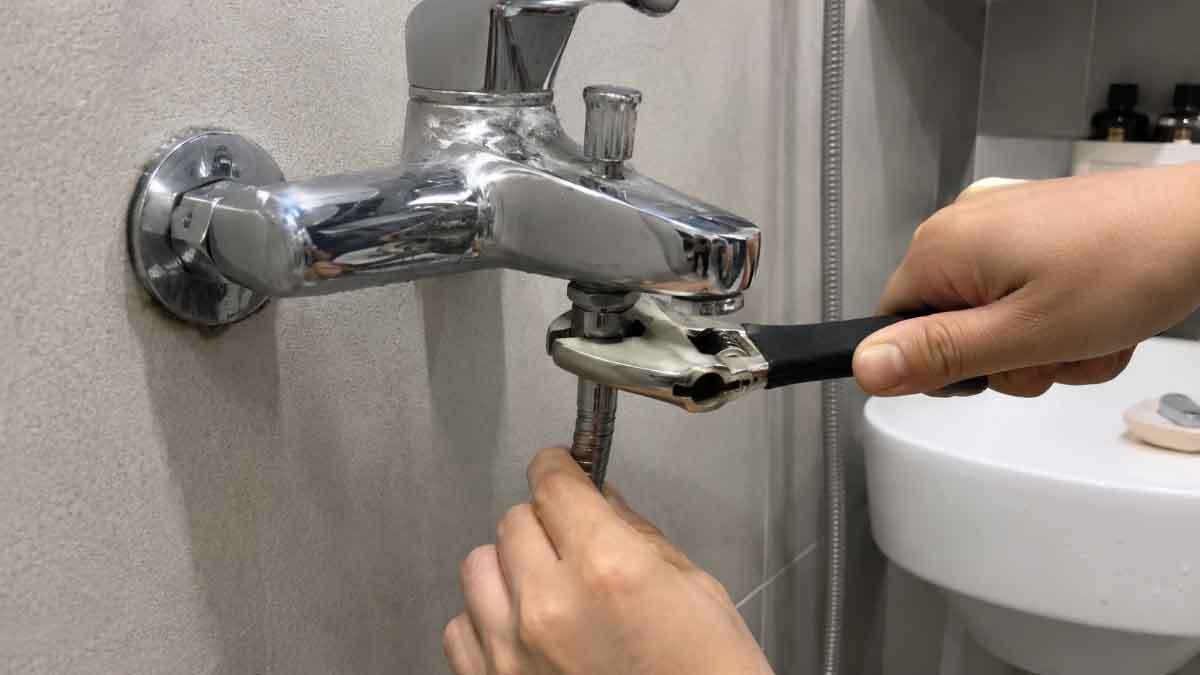
First, use the adjustable wrench to loosen the lower connector and detach the hose from the wall faucet. Then loosen the connector where the hose meets the shower head in the same way.
Put the detached hose and head into the basin and sprinkle sodium percarbonate evenly over them. Use a funnel to get the powder directly into the head’s nozzles so it reaches the interior—not just the surface.
Open a window or run the exhaust fan, and wear rubber gloves and a mask. Because you’ll be handling hot water, protect your hands and face from splashes.
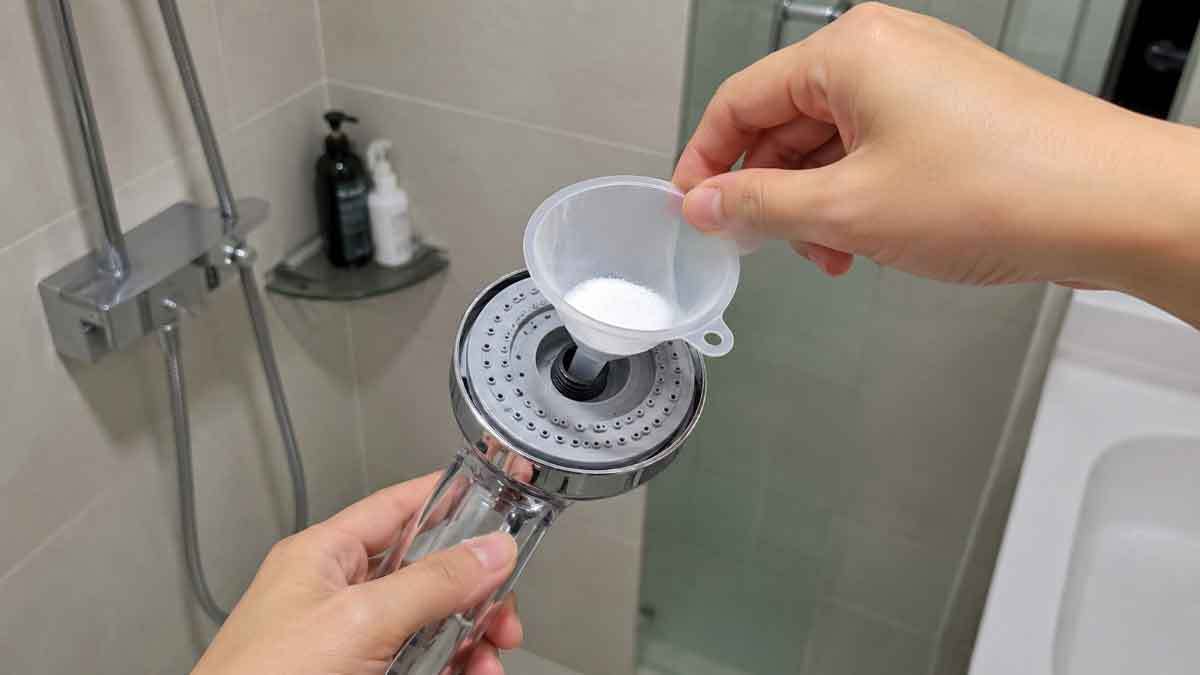
Pour hot water into the basin and the mixture will foam and react immediately. Residue and buildup that had been trapped in the hose will rise to the surface.
Sodium percarbonate releases oxygen bubbles when it meets hot water, loosening grime, while its alkaline action helps dissolve grease and mineral deposits.
After about 10 minutes the basin water will turn cloudy. Use a toothbrush to gently clean the inside of the nozzles and the head’s mesh outlet—the loosened grime should come off without heavy scrubbing.
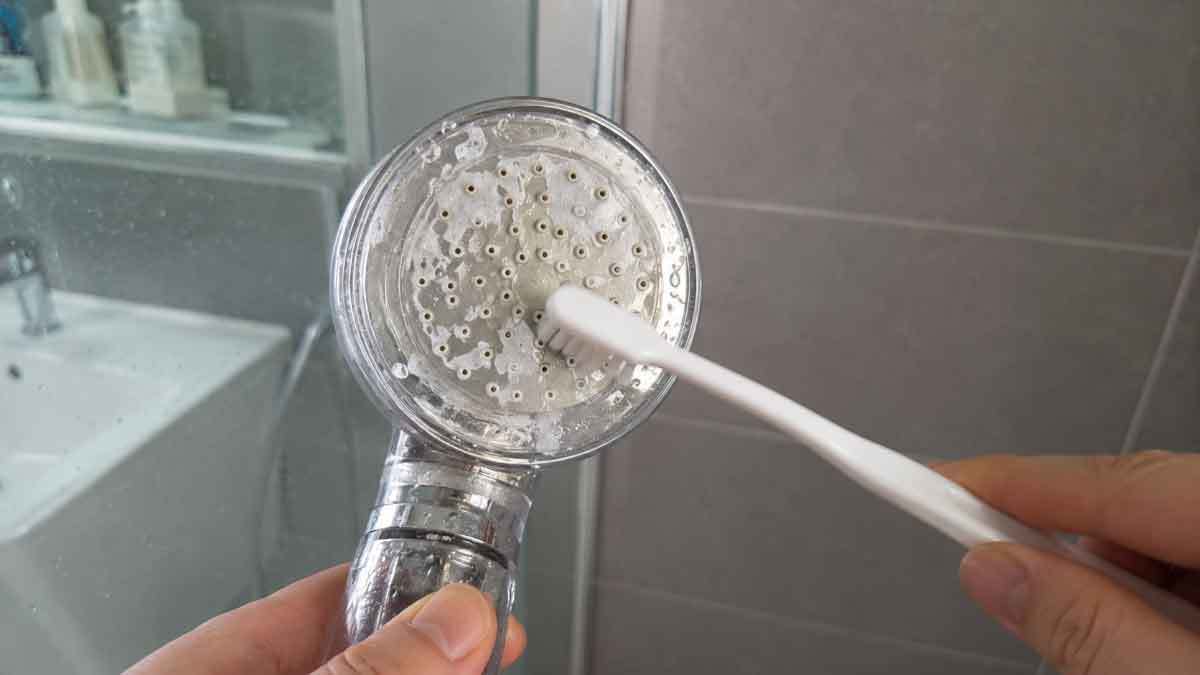
Rinse everything thoroughly under running water.
One essential step after reassembly
After rinsing, be sure to reinstall any rubber packing you removed, then reattach the hose and head.
If the connectors are plastic, tighten them only until snug with the adjustable wrench. Overtightening can crack or damage the parts.
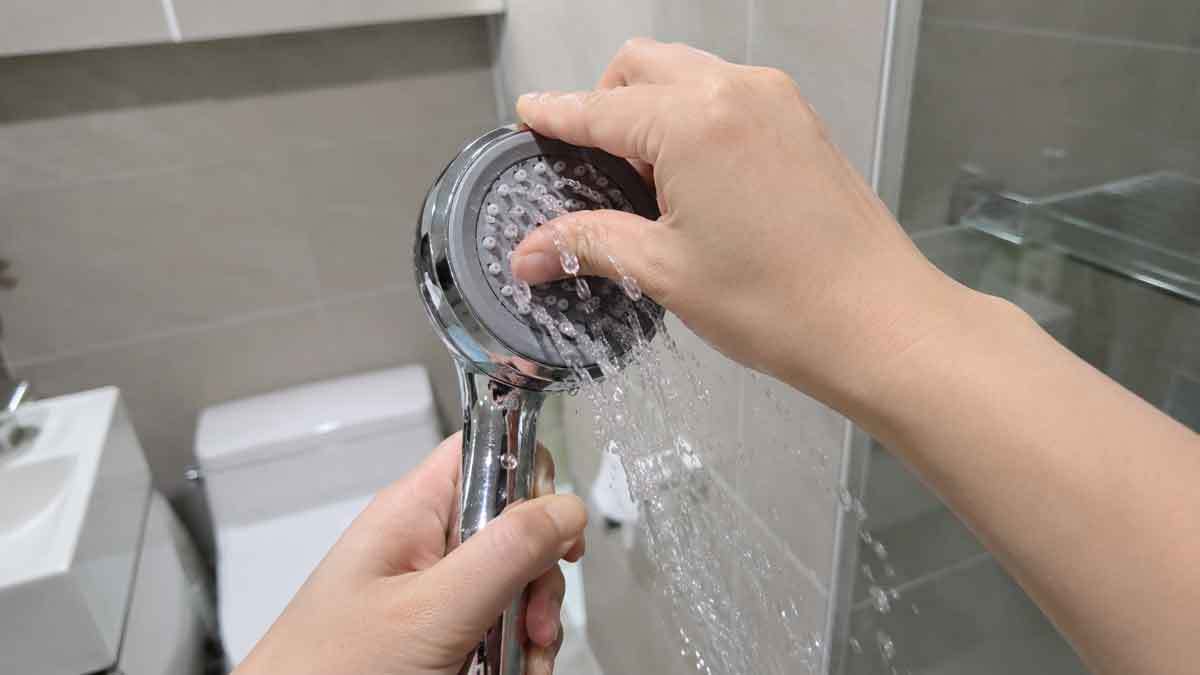
Once everything is reassembled, turn on the water. Repeatedly cover the head’s outlet with your hand and then release it suddenly several times.
The brief pressure build-up followed by sudden release will flush out remaining sodium percarbonate residue and loosened grime from inside the hose. If cloudy water continues, repeat the process until the flow runs clear.
When clear water starts coming out, the cleaning is complete.
If you can’t remember the last time you cleaned your shower, start by opening the hose today. The more often you use the shower, the more important it is to clean it from the inside out.














Most Commented