
Translation result
“Try boiling this in an old frying pan”
The surprising trick that brings peeled coating back to life: the secret of ‘milk’
Contents
Should You Throw Away a Frying Pan When Its Coating Peels?
Why Milk Works to Restore a Frying Pan
How the Coating Revives
How to Restore a Pan Using Milk
Maintenance Habits That Help
Things You Should Never Do
The Value of a Pan You Can Use Again
1. Should You Throw Away a Frying Pan When Its Coating Peels?
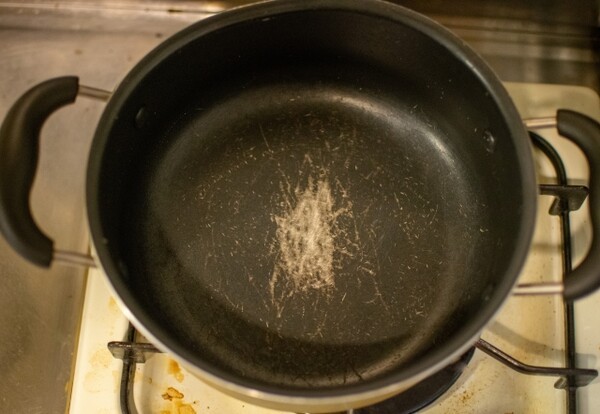
After years of regular use, a frying pan’s nonstick coating can flake and food will start to cling. Many people take that as a sign to replace the pan. But if the coating hasn’t completely worn away—if the surface is merely roughened and performance has declined—you can often restore some functionality with a simple treatment. A method gaining traction uses an everyday kitchen staple: milk.
2. Why Milk Works to Restore a Frying Pan
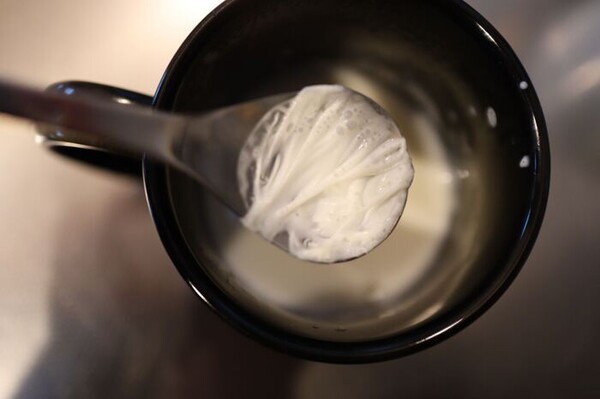
Milk is rich in proteins and fats. One protein in particular—casein—forms a thin film when heated. That film can settle into tiny surface imperfections and act as a protective layer. It doesn’t soak in like a lotion; instead, it deposits a very thin coating that helps reduce sticking.
3. How the Coating Revives
When milk is heated, its proteins and fats denature and bond to the pan’s surface. That process creates a natural, thin layer that fills microscopic gaps and smooths the surface. The result is lower surface friction and less sticking. This won’t recreate the factory nonstick finish, but it can noticeably improve how the pan performs.
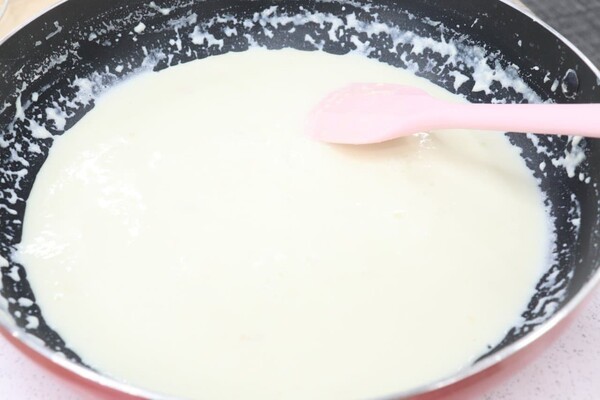
4. How to Restore a Pan Using Milk
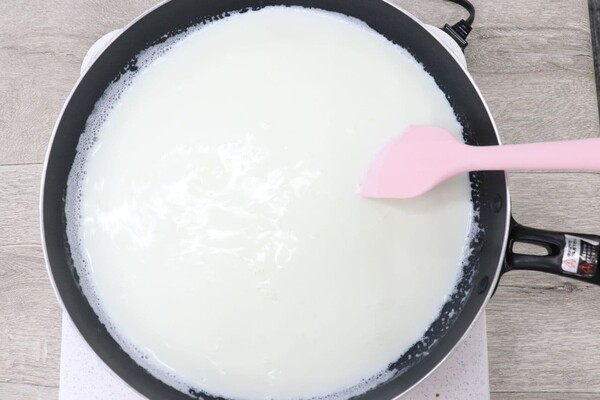
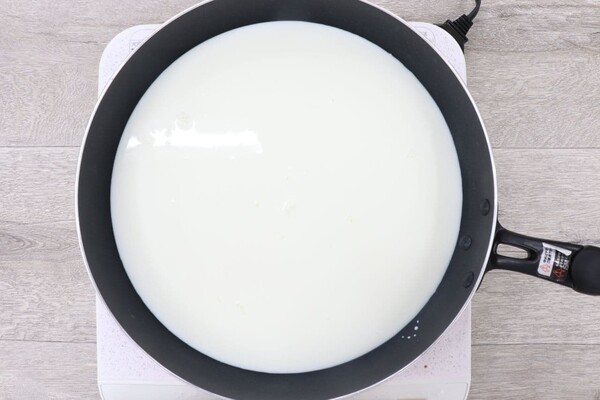
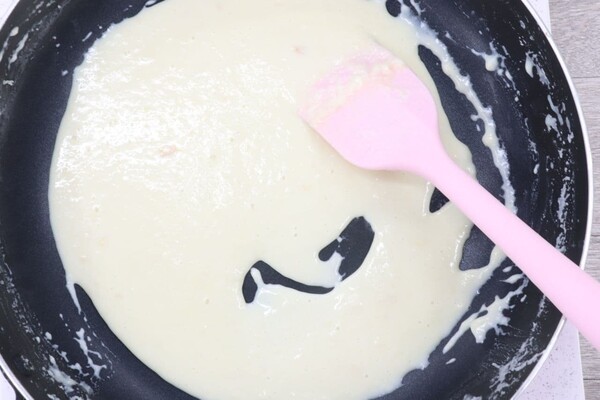
Start by washing the pan thoroughly and drying it. Pour enough milk to cover the bottom of the pan, then simmer it gently over low heat for about 5–10 minutes. Allow the pan to cool naturally, discard the milk, and rinse the pan with a soft scrubber. Dry completely. Repeat the process two or three times; you should feel the surface become smoother after a few treatments.
5. Maintenance Habits That Help
To protect a pan’s surface, add a little oil and preheat before cooking. Use silicone or wooden utensils rather than metal to avoid scratches. Don’t plunge a hot pan into cold water—let it cool first, then wash. Those small habits go a long way toward extending a pan’s life.
6. Things You Should Never Do
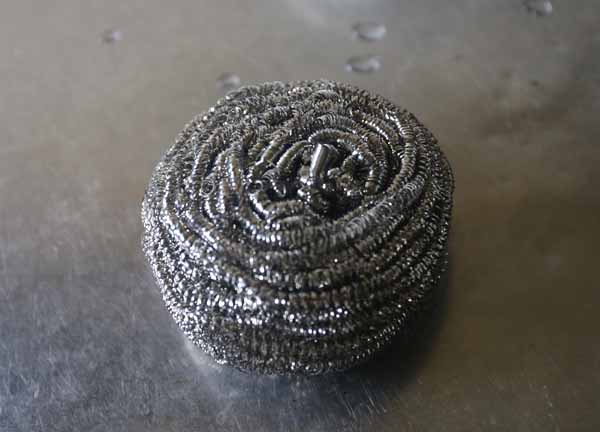
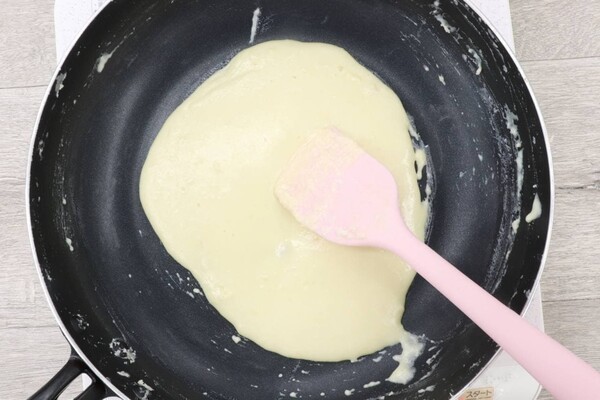
Avoid scrubbing with harsh scouring pads or leaving an empty pan on high heat—both accelerate coating failure. When using milk, do not apply high heat; burned proteins can make the surface rougher. Always simmer on low and proceed slowly to get the best results.
7. The Value of a Pan You Can Use Again
Restoring a pan that seemed destined for the trash is a small but meaningful act. A cup of milk won’t make a pan brand new, but it can return it to a condition suitable for everyday cooking. Choosing to revive rather than replace stretches household resources and reduces waste. Before you toss that worn pan, try this simple fix—you may be surprised how much longer it will serve you.












Most Commented