
Translation result
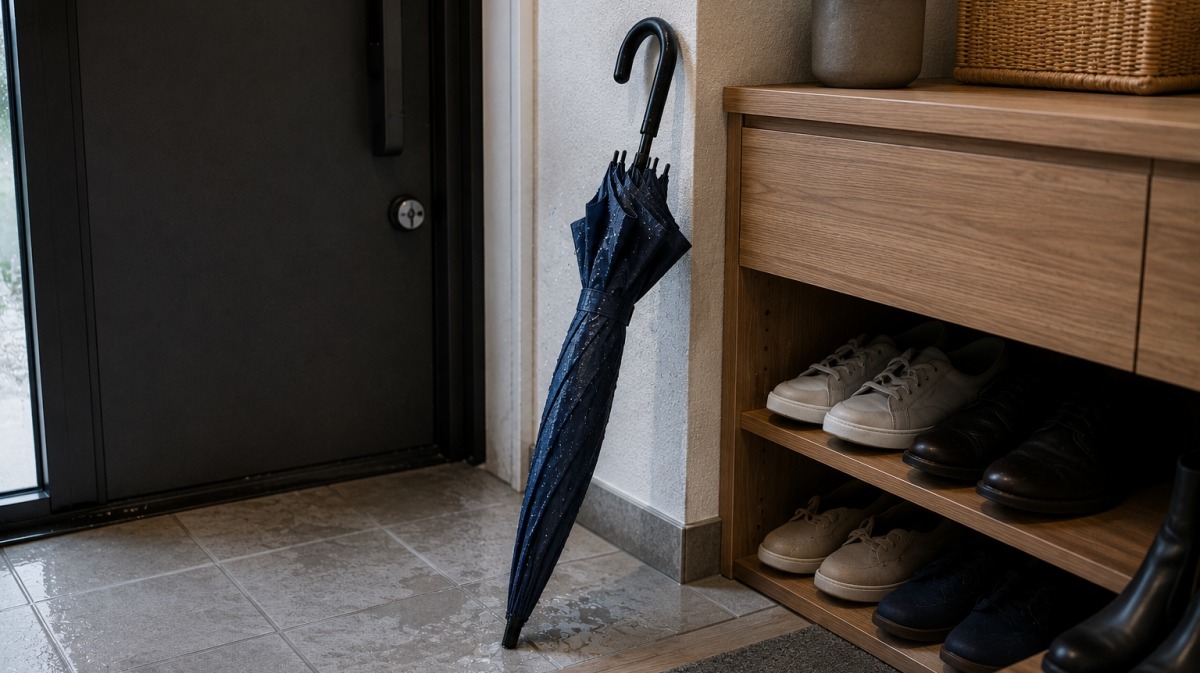
When the monsoon season arrives, a home can feel like a giant moisture trap. Wet umbrellas and damp shoes brought in from the rain are major contributors to indoor humidity. Many people fold wet umbrellas carelessly and stash them in an entryway corner or a shoe cabinet; that habit encourages mold on the entryway floor and quickly corrodes the umbrella’s metal components.
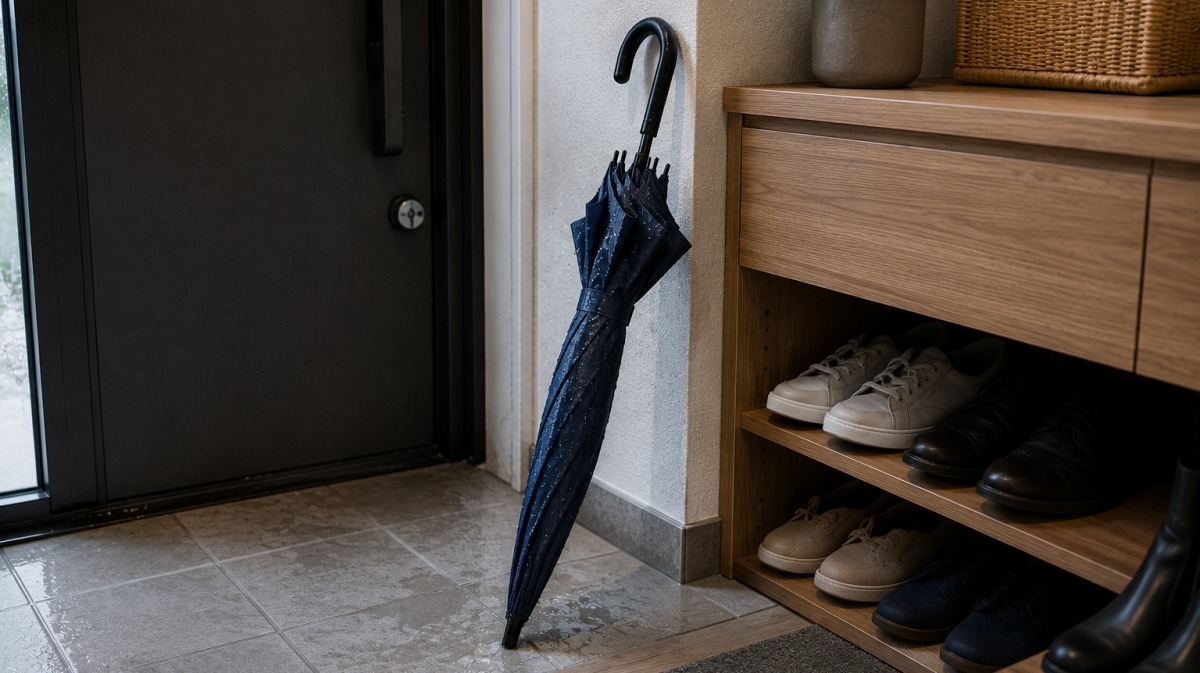
Controlling indoor humidity during the monsoon requires more than running a dehumidifier. Start at the entryway—the main gateway for outside moisture—and use practical, science-based steps to block water from spreading into the house’s nooks and crannies.
Change one small habit in how you store umbrellas and you can extend an umbrella’s life by years while stopping that musty entryway smell at the source.
Everyday household items can also absorb hidden moisture in furniture and closets without costing much. Below are straightforward, sometimes unexpected tips for managing humidity and practical ways to use household appliances on rainy days so your home stays dry and comfortable through extended storms.
How to manage humid summers
Why you should store umbrellas with the tip facing down
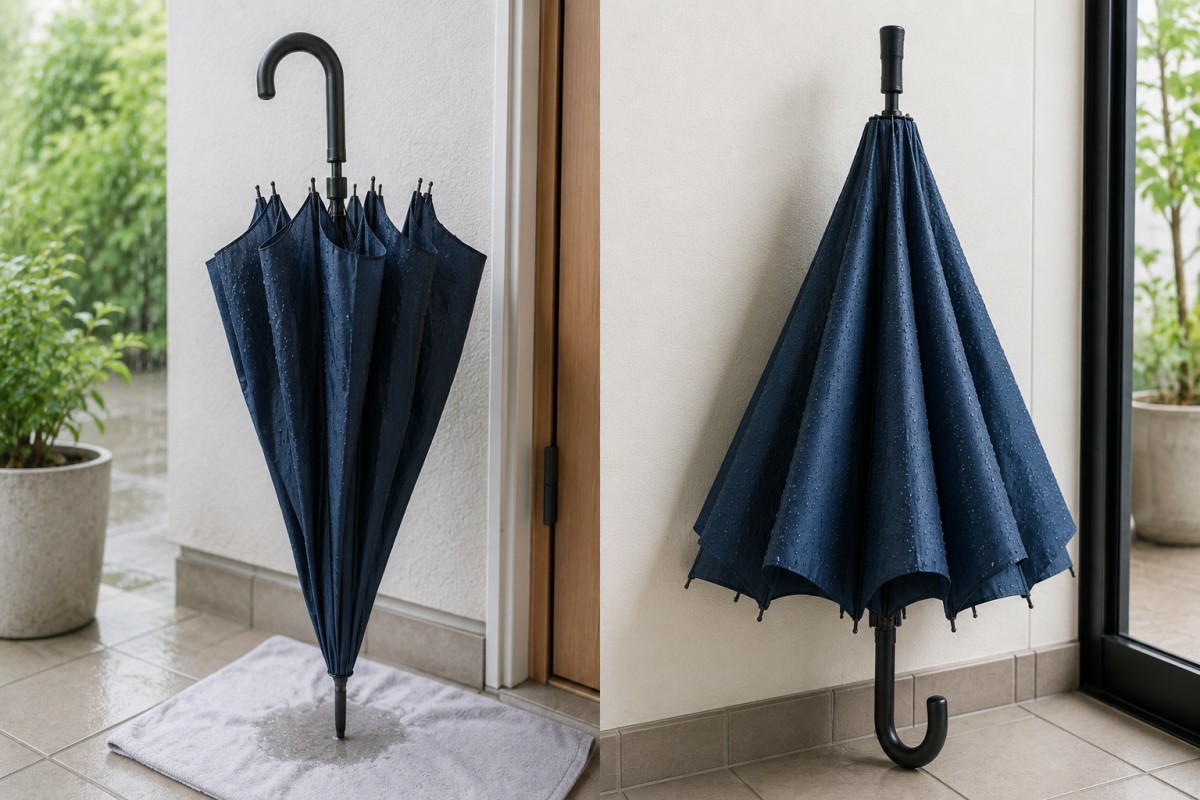
After a rainy outing, many people stand umbrellas in a rack with the handle up and the tip touching the floor. That common practice actually shortens an umbrella’s lifespan. Rainwater runs down the fabric and can pool inside the umbrella’s tip where the ribs and central shaft meet.
Most umbrella frames are made of iron or alloys that rust and weaken with prolonged moisture exposure. The counterintuitive best practice is to open the umbrella and dry it with the tip pointing up so water drains away from the frame. If you don’t have room to open it, stand the closed umbrella against a bathroom or balcony wall with the tip pointing down; that positioning helps water run off the fabric instead of collecting around the metal parts.
Don’t fold a wet umbrella right away—shake off the water first
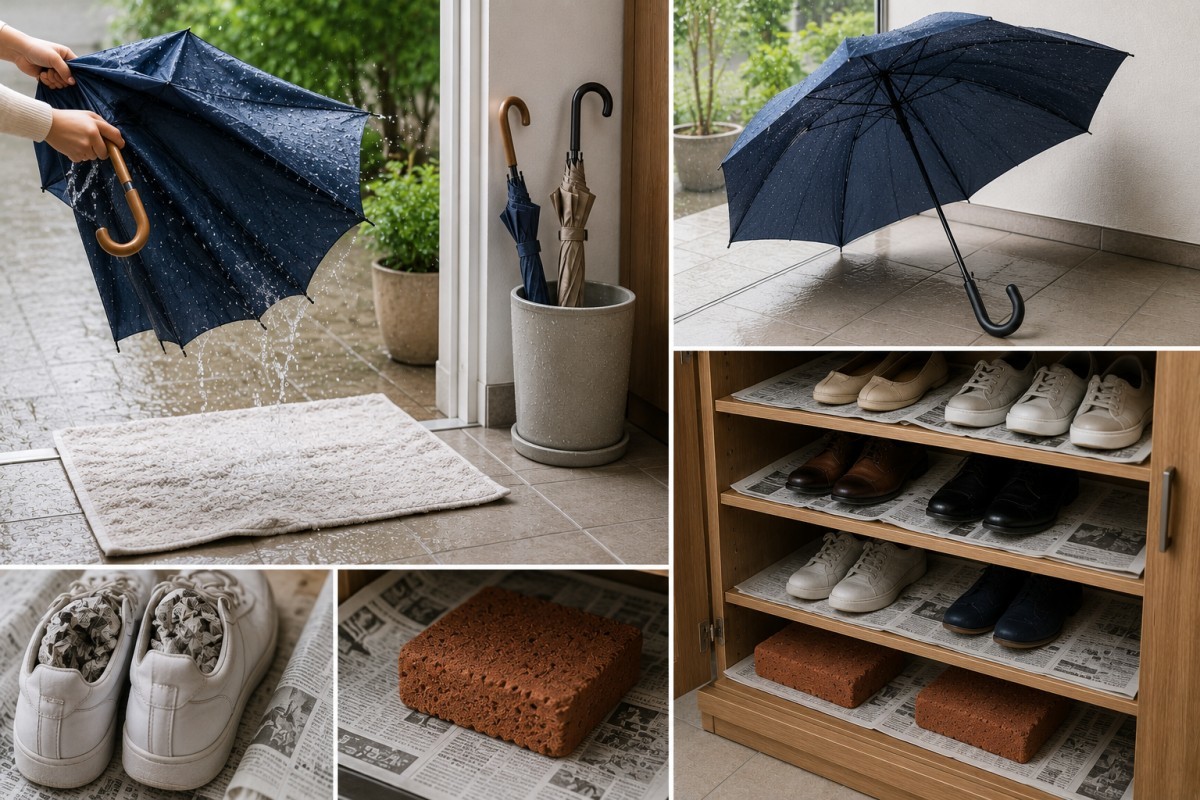
Before you fold an umbrella, shake off as much water as possible outside the building or at the entryway. Umbrella fabric usually carries water-repellent coatings, but folding it while wet traps moisture, damages the coating, and quickly leads to a musty odor.
Give the umbrella a few firm shakes to remove surface droplets, then lay a dry towel or newspaper on the entryway floor to absorb any remaining drips. Never store a wet umbrella in a sealed shoe cabinet. Instead, open it fully in a shaded, well-ventilated spot and let it dry before putting it away to preserve its water resistance.
The entryway—where wet shoes and umbrellas pass through—is often the most humid area of the home. Two inexpensive, effective items to control moisture there are decorative bricks and newspaper. Place a few red crushed bricks or earthen bricks on the shoe cabinet floor or around the umbrella stand; the bricks’ tiny pores absorb surrounding moisture and act like a natural dehumidifier.
Line each shelf of the shoe cabinet with several layers of newspaper to absorb humidity, sweat, and rubber odors from shoes. Stuff crumpled newspaper inside wet shoes to help them keep their shape and dry faster—this prevents deformation while speeding interior drying.
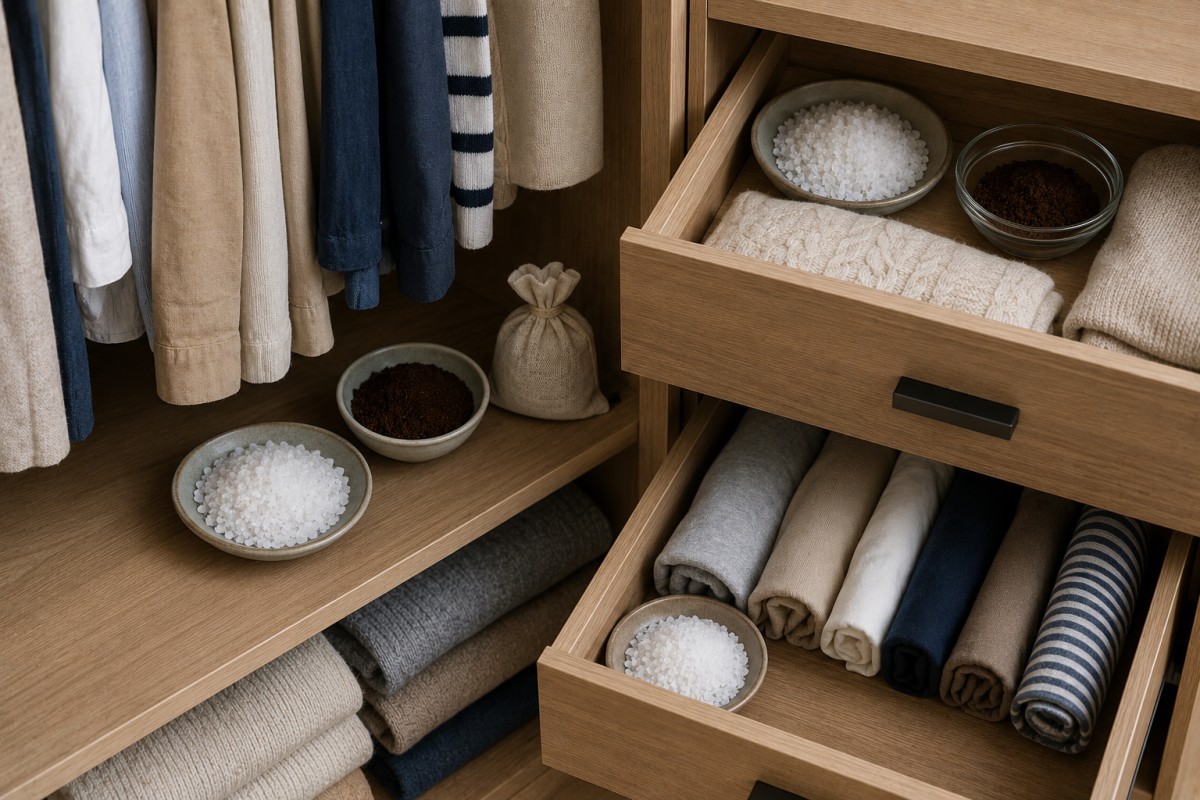
Place coarse salt and used coffee grounds in closets and drawers
Closets and linen chests are not immune to moisture during the monsoon. Because humidity tends to settle from the bottom up, put a bowl of coarse salt on the lowest shelf or drawer. The sodium chloride in coarse salt draws in moisture and serves as an effective natural desiccant.
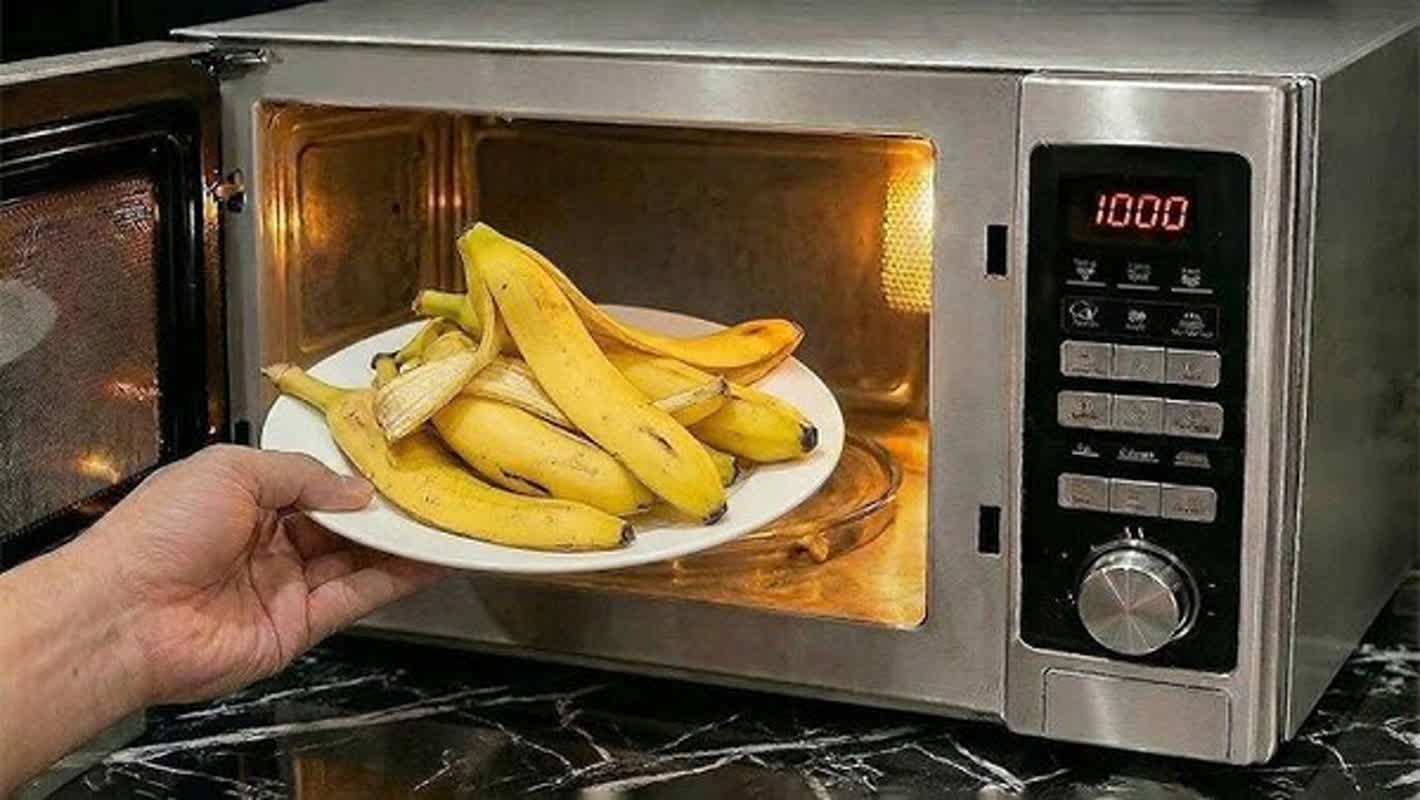
When the salt becomes damp, dry it in the sun or microwave it for 1–2 minutes to remove moisture and reuse it. Tuck dried coffee grounds or green tea bags into a closet corner to combine dehumidifying action with odor control—these materials absorb moisture and neutralize musty smells.
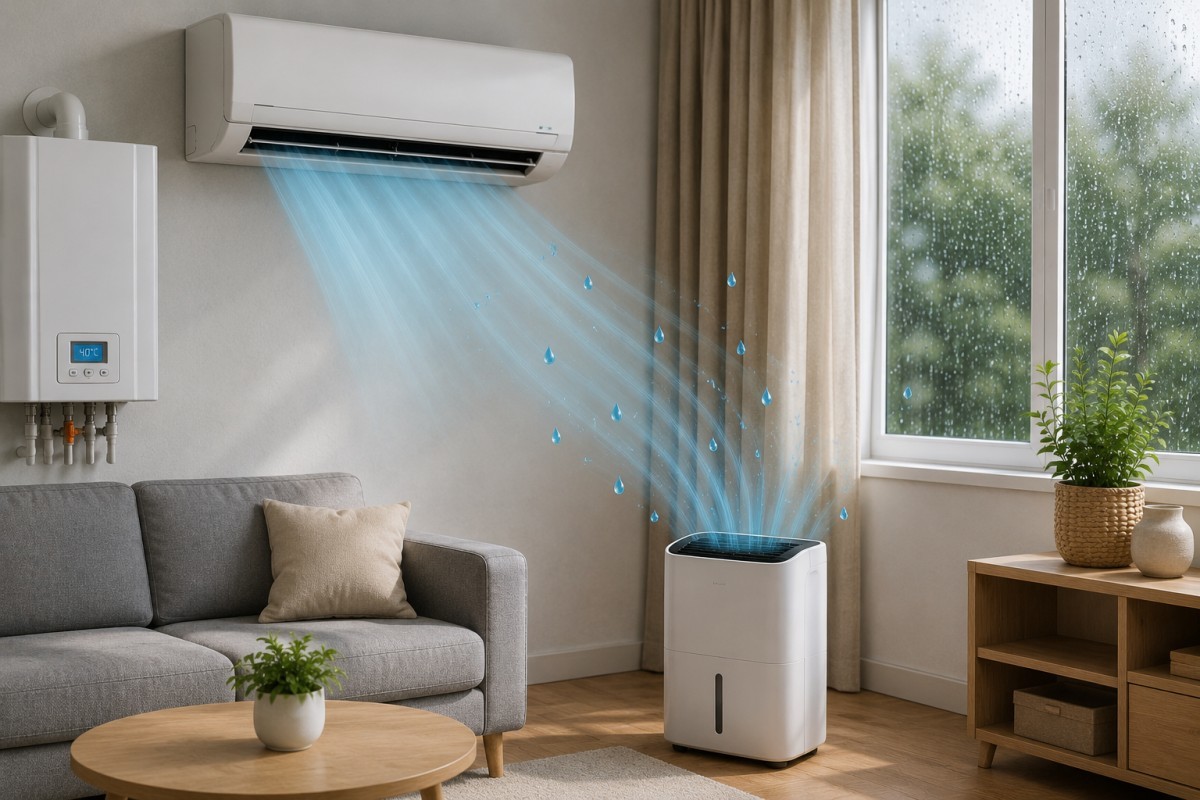
How to run the boiler and air conditioner together for effective dehumidifying
During prolonged rainy periods, indoor humidity can exceed 80 percent, leaving floors sticky and encouraging mold on wallpaper. Some people crank up the boiler to heat the house, but that simply creates a warm, damp environment that can encourage bacteria and mold.
Instead, run the air conditioner in dehumidify or cooling mode first to lower room temperature slightly and extract moisture from the air. With windows closed, run the boiler on a low setting or an “away” program for 1–2 hours. The air conditioner removes moisture from the air while the boiler helps evaporate moisture absorbed into floors and walls, quickly making the whole house feel drier.
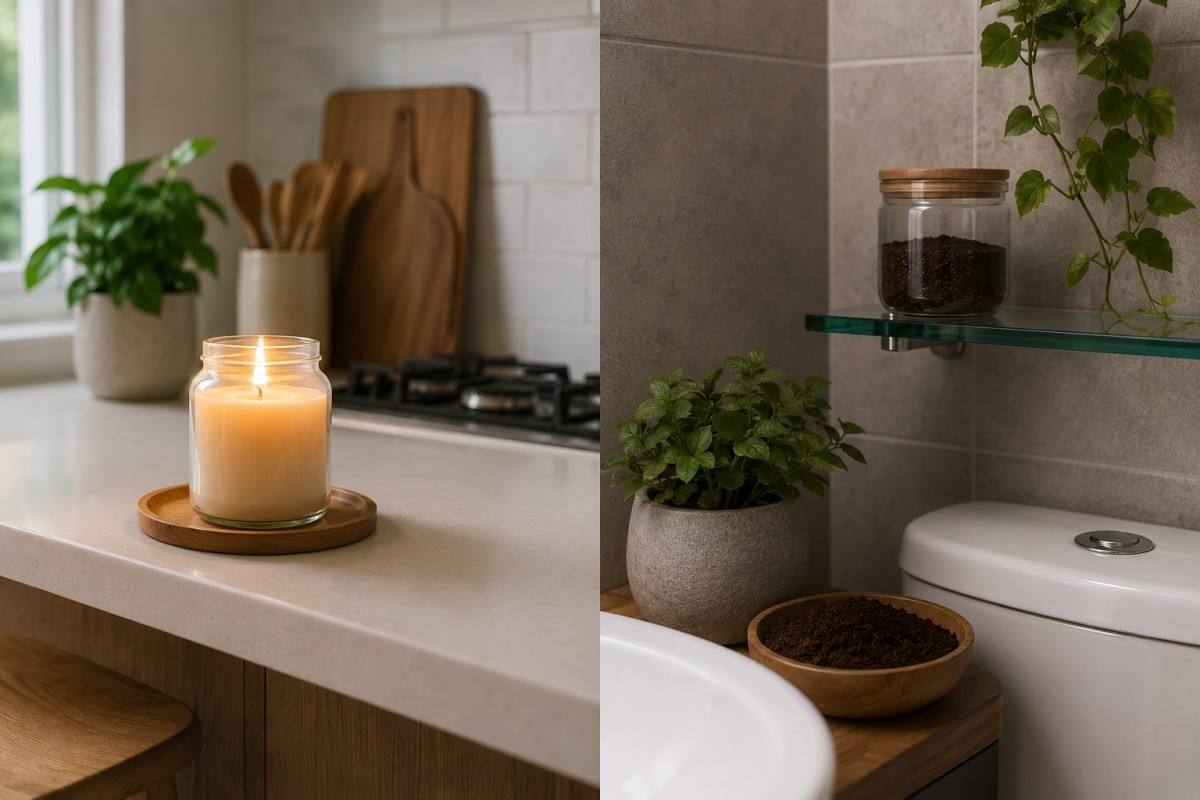
Light a kitchen candle and place used coffee grounds in the bathroom to remove odors
Higher humidity helps odor molecules travel farther, so kitchen drain smells and bathroom odors become more noticeable. Lighting a scented candle in the kitchen or living room for an hour or two can reduce local humidity and mask unpleasant smells; the flame consumes some water vapor and the scent covers bad odors.
In bathrooms, keep used coffee grounds in a container on a high, dry shelf. Coffee’s fine porous structure absorbs humidity and ammonia gases, helping to freshen the air.
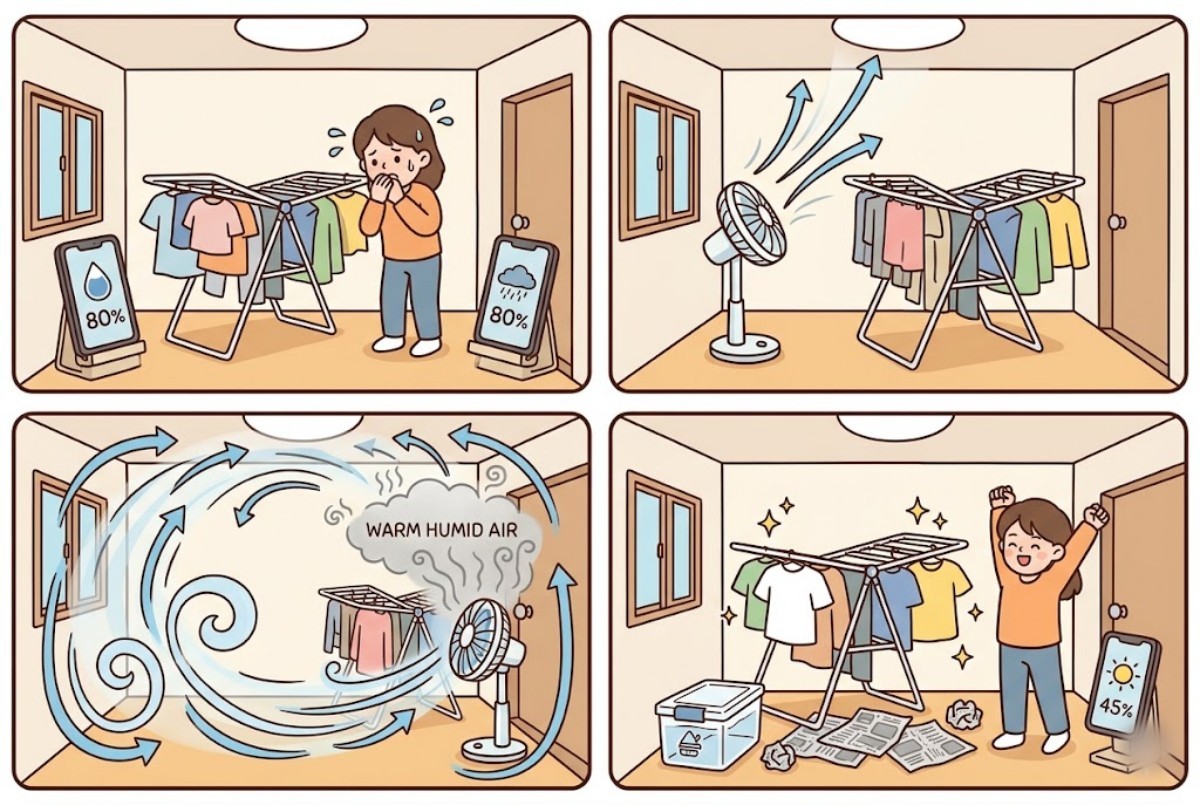
Point a fan at the ceiling when drying clothes indoors
When you must dry laundry indoors, stagnant air around a drying rack slows drying and produces a musty smell. Rather than pointing a fan directly at the clothes, tilt the fan head upward toward the ceiling to improve overall air circulation.
Warm, moist air rises while cooler air sinks; using the fan to mix air near the ceiling with the rest of the room promotes circulation and speeds drying across the space. Place an empty calcium-chloride desiccant container or spread newspaper under the drying rack to lower room humidity and maximize indoor drying efficiency during the rainy season.













Most Commented