
Translation result
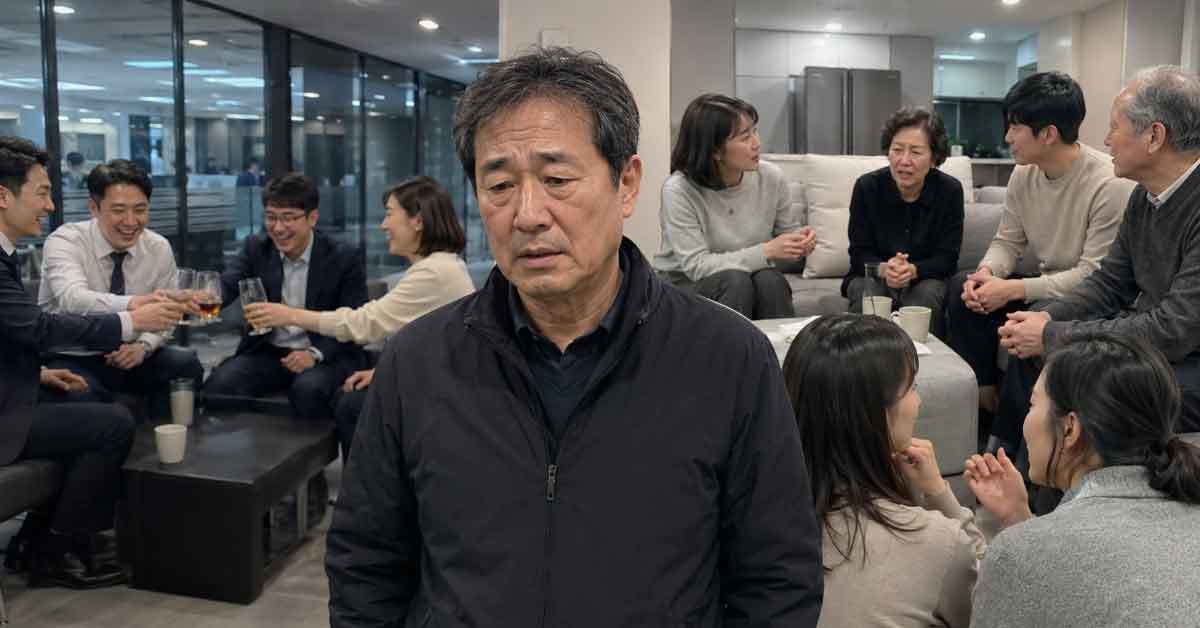
After 55, people treat their time differently. Statistics Korea’s 2025 supplementary survey on older adults found the average age Koreans leave their main job is 52.9. Many depart from the workplaces they spent their careers at in their early 50s, and by 55 they begin to confront the next chapter of life. As work takes up less space, the balance of relationships shifts. When they were younger, people went when they were invited—out of loyalty, pride, or the fear of missing out. By this age, they learn that some invitations cost more than they’re worth.
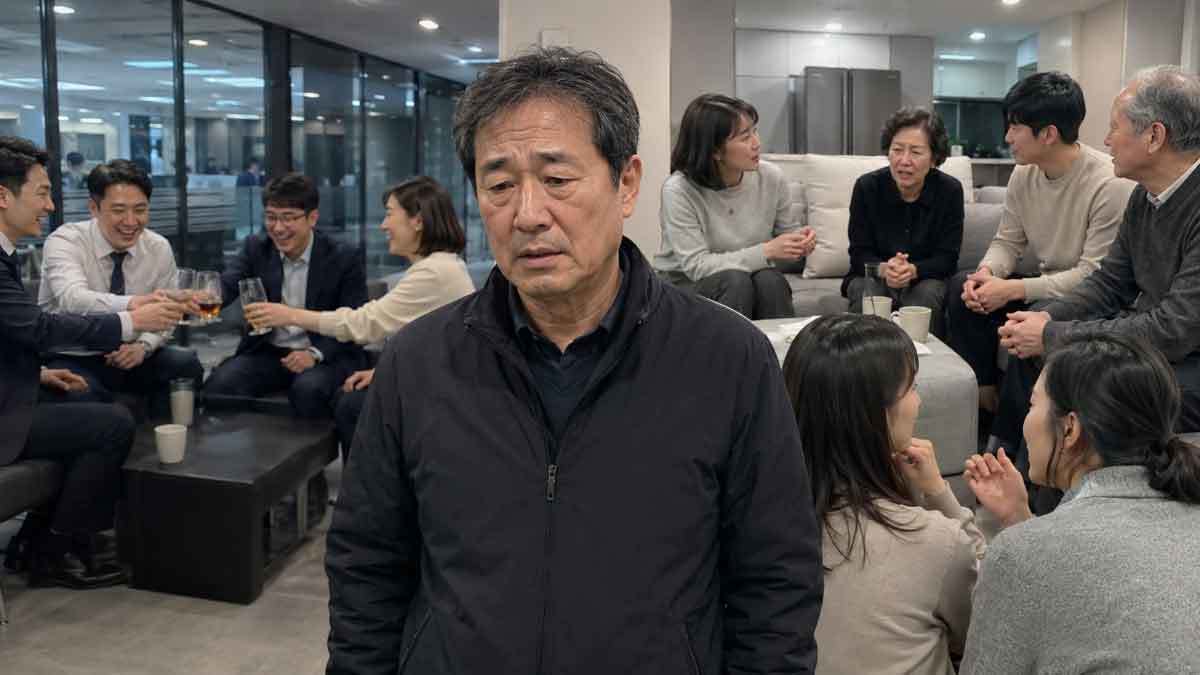
A 2025 Human Relations Perception Survey by Korea Research found the share of people who felt fatigued by relationships fell from 58% in 2023 to 48% in 2025. That shift suggests a move toward fewer, more comfortable connections rather than more contacts. After 55, quality of life is less about how often you see people and more about whether you feel at ease afterward.
Sometimes coworkers you expected would stop calling after retirement reach out even more. At first you go because it’s nice to reconnect, but the mood can change quickly. Current employees swap work stories and gossip that you can’t easily join, and the conversation narrows. The longer the night goes on, the more you feel peripheral—forcing smiles, waiting for the end. You head home feeling emptier than when you arrived.

A 2024 Senior Trend Report from Open Survey shows men 55 and older remain active with school friends (62.3%) and coworkers (66.7%). That reflects a strong tendency to maintain workplace ties after retirement. But people who built their social lives mostly around work often lose most of those connections at once when they step away.
Sociologist Um Ki-ho argues in his book Discipline Society that Korean men are trained to exist primarily within organizations, leaving them poorly equipped to sustain themselves outside them. If you keep attending gatherings to cling to the past, you’re more likely to come away hollow than fulfilled. When a gathering drains more emotional energy than it gives, it’s wiser to build new relationships that fit your current life.
Relatives’ gatherings are where boundaries most easily dissolve. People trade updates about whose child works where, the size of each house, and how prepared everyone is for retirement. For listeners, it invites comparison; for speakers, it becomes bragging. That gap widens with age. It’s hard to distance yourself from kin, but if you keep attending, the discomfort can linger for days. Because these people are close, the hurt cuts deeper and lasts longer.
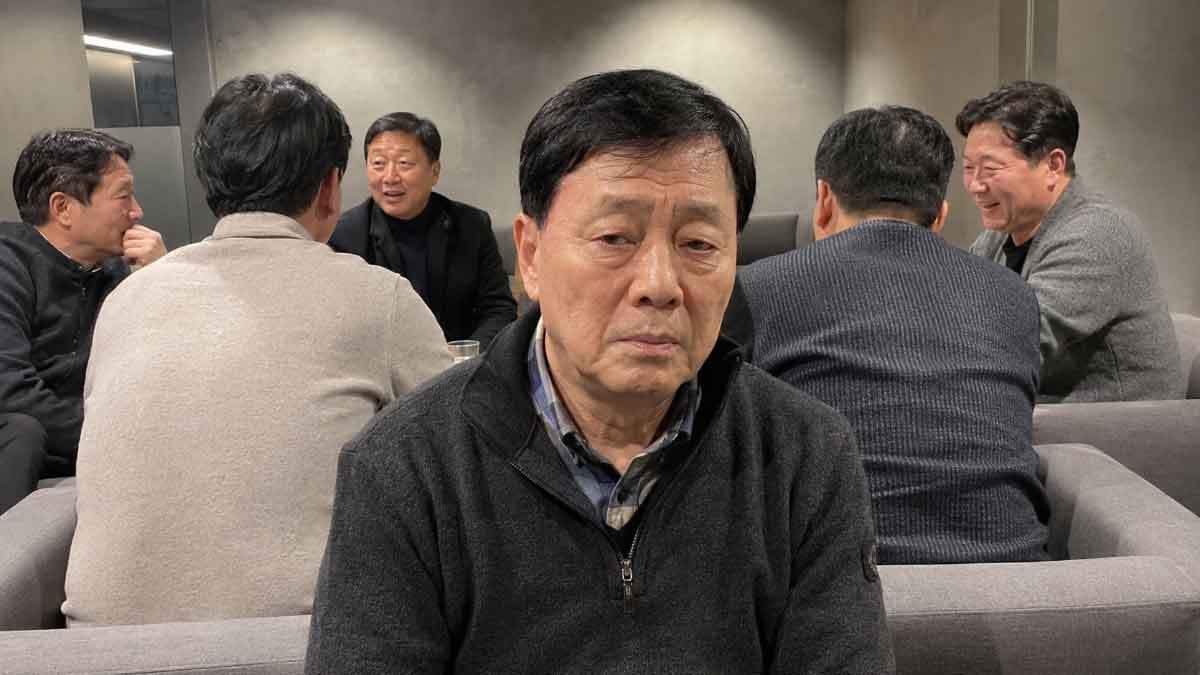
Korea Research’s 2025 survey found satisfaction with relatives at 65%, lower than satisfaction with family (85%) and friends/acquaintances (80%). Even though they’re blood-related, relatives rank lowest in satisfaction. The survey also found that feeling judged or evaluated is a major source of relationship stress—exactly the effect of repeated comparisons and interference at family gatherings. After 55, you don’t have to keep attending uncomfortable events just because you’re related. If they cause more stress than comfort, putting distance between you is better for everyone.
After 55 there’s one kind of event to watch out for most: the seemingly ordinary gatherings that leave you unsettled for days. You get compared, watch your step, say things you don’t mean, and walk home hollow. If the next invitation already feels exhausting, that event no longer fits you. If you have to force a smile, if no one listens when you open up, if you leave wishing you hadn’t gone—that’s a place to refuse. Saying no to those gatherings after 55 isn’t rude; it’s self-preservation.
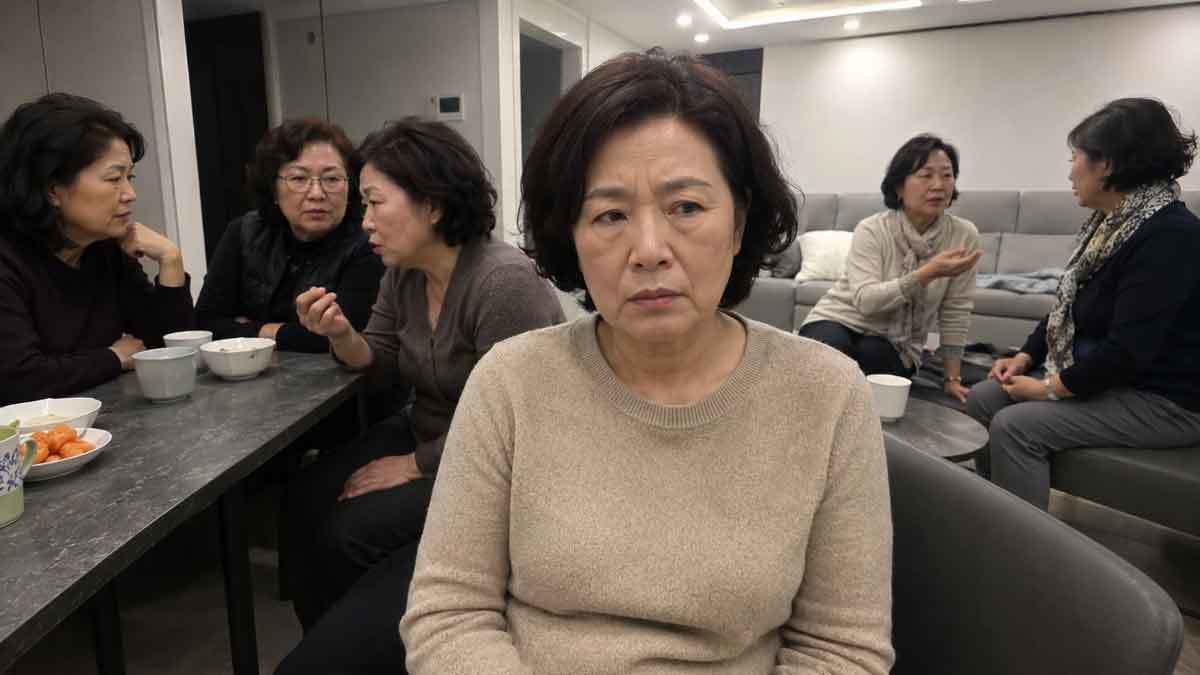
A 2024 National Center for Mental Health survey found the share of people reporting severe stress rose from 36.0% in 2022 to 46.3% in 2024. Much of that stress stems from unwanted relationships. Research from the Korea Institute for Health and Social Affairs shows social support most strongly reduces depressive symptoms in people in their late 50s and 60s. Relationships that replenish you are the strongest defense for mental health. After 55, spending time with people who leave you at ease matters more than seeing many people. The most dangerous gatherings aren’t far away; they’re the ones that drain you every time.
After 55, it’s time to tidy up your social life. It’s acceptable to cut back on obligations you kept out of loyalty or pride. At this stage, whether you feel at ease after seeing someone matters more than how often you see them. Quality of life depends on who you spend time with and how you spend it. Refusing events that make you feel small is the kind of courage you need now.














Most Commented