
Translation result
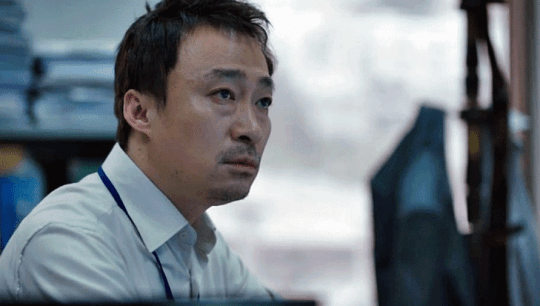
Retirement’s Shadow: A Risky New Beginning
Retirement is meant to open a new chapter, but when people actually step into it, they often find warning signs they didn’t expect. Many imagine relaxation and freedom; in reality, unforeseen financial and social pitfalls can appear. Below are four warning signs South Korean retirees should watch for — risks rooted in local lifestyles and economic realities. Small oversights can compound into a second crisis, so careful, early checks are essential.
Fixed Costs, No Paycheck: The Living-Cost Trap
If retirees continue paying loan interest, insurance premiums, phone and internet bills, or children’s education costs that are high relative to their reduced income, they face serious risk. When fixed expenses consume more than 70% of monthly income, households have almost no cushion for emergencies. Many maintain their pre-retirement standard of living and watch severance pay and retirement savings disappear. Small, everyday expenses that go unnoticed can quickly undermine retirement security.
Unplanned Businesses and Investments: Chasing One Big Win Can Cost Everything
Many retirees assume a café or small shop will thrive, or they trust a friend’s investment pitch, and they put retirement funds at risk. In practice, half of new businesses fail within a year. Lack of experience with market shifts, weak financial planning, and poor cash-flow management can erase a retiree’s severance pay. A single failed venture can make recovery extremely difficult.
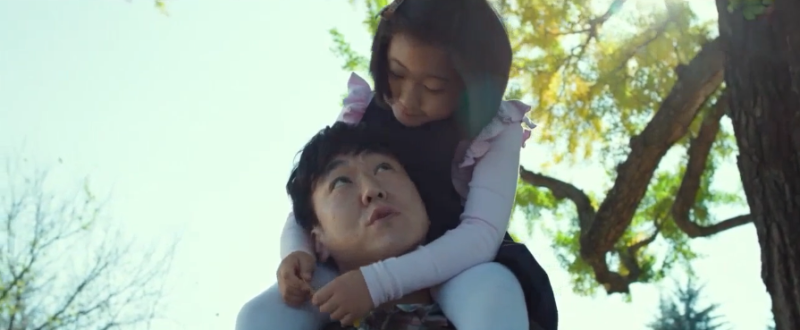
Overcommitting to Support Children and Dependents
In South Korea, parents often shoulder costs such as study-abroad fees, wedding expenses, or childcare for grandchildren — a cultural tendency to bear responsibility well into later life. Continual financial support for adult children can push personal retirement planning aside and, over time, leave parents financially vulnerable. Family obligations are important, but unchecked giving can deepen retirement insecurity.
‘Alone Feels Easier’: When Social Withdrawal Becomes Dangerous
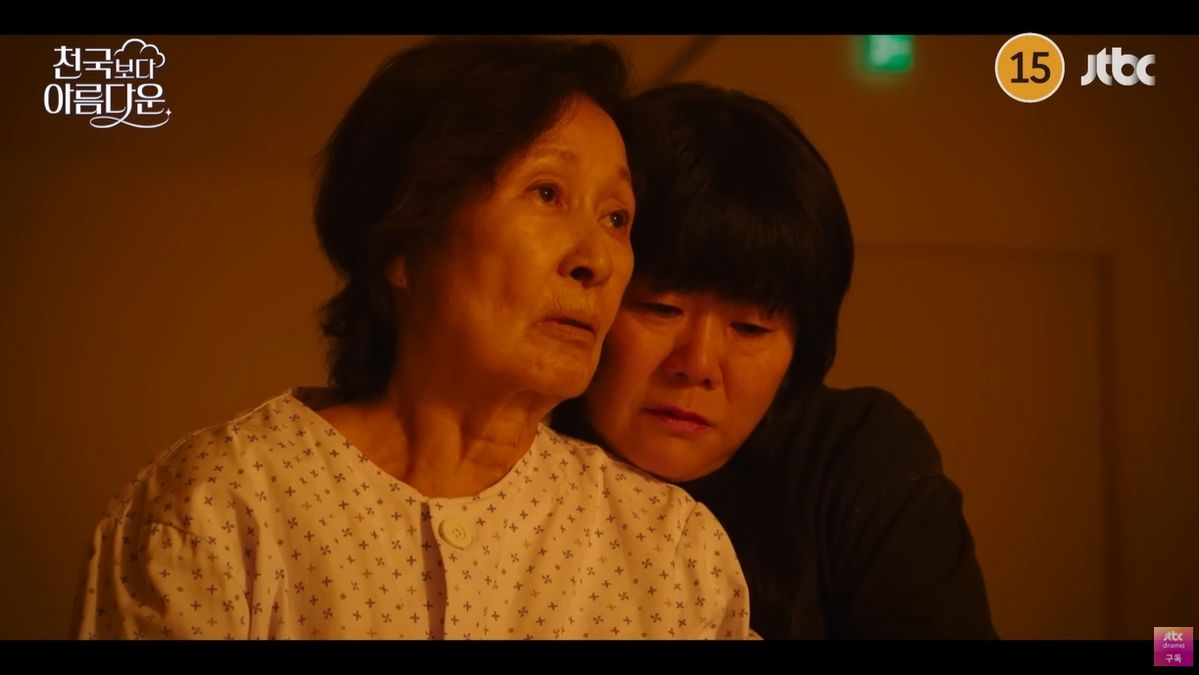
Retirement often brings more time alone, and many hesitate to join groups or build new friendships. That reluctance can lead to growing isolation. A recent survey found one in four older adults in Seoul fear dying alone. What looks like comfortable solitude can, in fact, deepen loneliness and depression and leave people without help in a crisis.
Neglected Health: Small Lapses, Big Consequences
After leaving the workplace, many retirees tell themselves \”I’m fine\” and postpone regular checkups or consistent exercise. That complacent attitude can delay detection of treatable conditions. Health risks that come with aging often begin with small daily habits, and early prevention makes a real difference.
Restoring Balance, One Small Check at a Time
High fixed costs, unplanned ventures, repeated family bailouts, and shrinking social circles are common patterns after retirement. You can head off these traps by spotting them early and making modest, practical changes. Reviewing overlooked expenses, making a short call to a child, or taking a brief walk today can be the first steps toward a more secure retirement.














Most Commented