
Translation result
Leaving Your Car After a Wash Could Damage It — How to Finish the Job Right
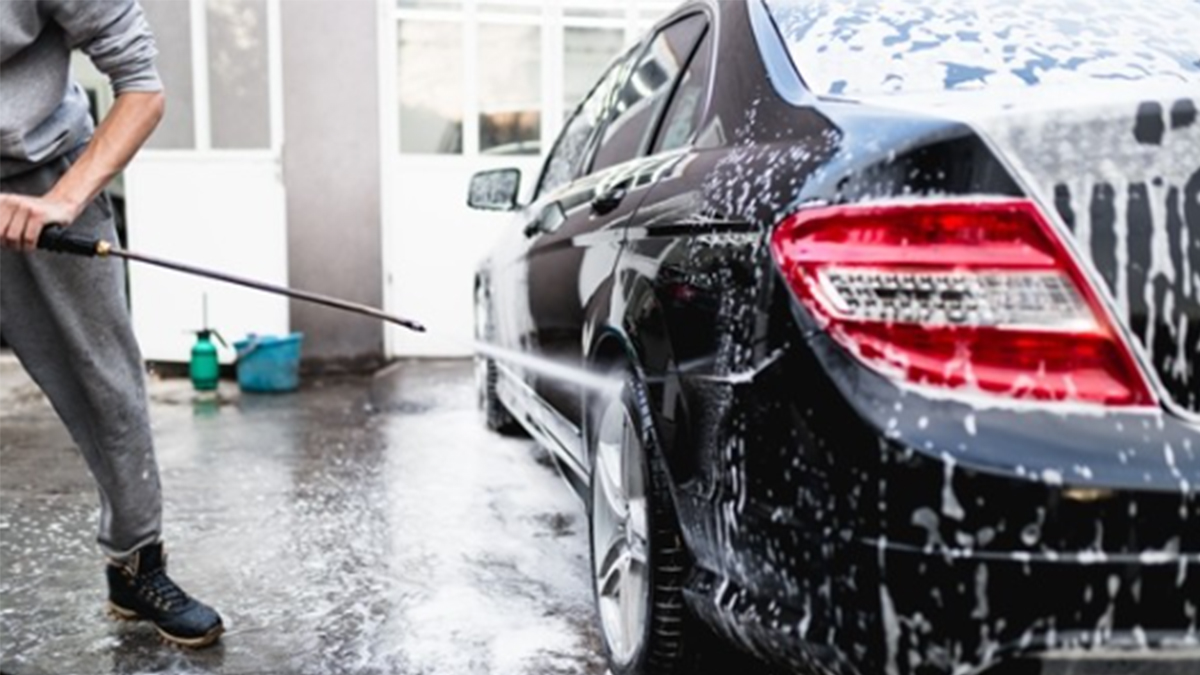
Many drivers wash their cars regularly to keep them looking good. But letting a vehicle dry on its own after a rinse can do more harm than you might think. A clean exterior can still hide paint damage or early corrosion. Detailing professionals stress that drying and protecting the finish are as important as the wash itself. Why does skipping post-wash care cause problems, and what should you do instead?
1. Air-drying can damage your paint
A common mistake is simply letting water evaporate from the surface. It seems harmless, but as the water dries it leaves behind minerals—chiefly calcium (Ca) and magnesium (Mg)—that form hard-to-remove water spots. Over time, those spots can etch into the clearcoat, oxidize and lead to persistent staining or even paint flaking.
In hot weather or under direct sun, moisture evaporates quickly and minerals are left concentrated on the surface. These spots often resist routine polishing or waxing and can escalate to the point where professional polishing or paint restoration is required.
2. The wrong towel can leave scratches
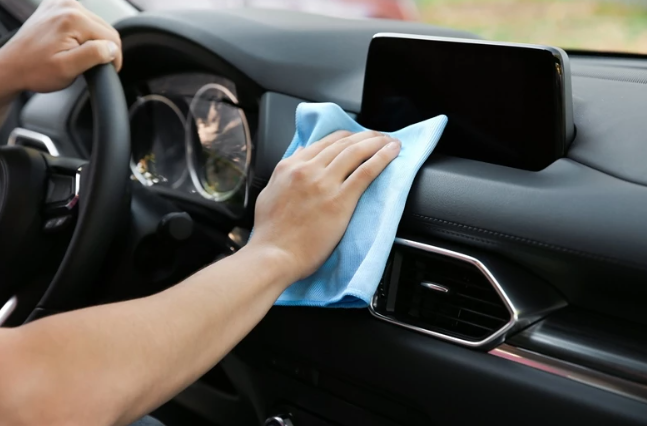
Some people assume a quick wipe with a dry towel is sufficient, but using the wrong fabric can create micro-scratches. Regular cotton towels or old dish rags are often too abrasive for automotive paint and can cause fine, invisible swirls.
Microfiber towels, by contrast, have a very tight weave and excellent absorption while being gentle on surfaces. Use a dry microfiber and press to lift moisture—rather than dragging the fabric across the paint—to minimize the risk of scratches.
3. Poor interior drying invites mold and odors
Many owners rinse the cabin or wash floor mats with water. If those areas aren’t dried thoroughly, mold and unpleasant odors can develop. High humidity in summer increases interior condensation and makes fabrics and mats more prone to developing smells.
After cleaning the interior, leave the windows slightly open or run the air conditioner on recirculation to dry the cabin fully. If possible, open the doors outside for extra ventilation. Failing to dry the interior can allow mold spores to multiply and potentially affect occupants’ health.
4. Wax and sealants add an extra layer of protection
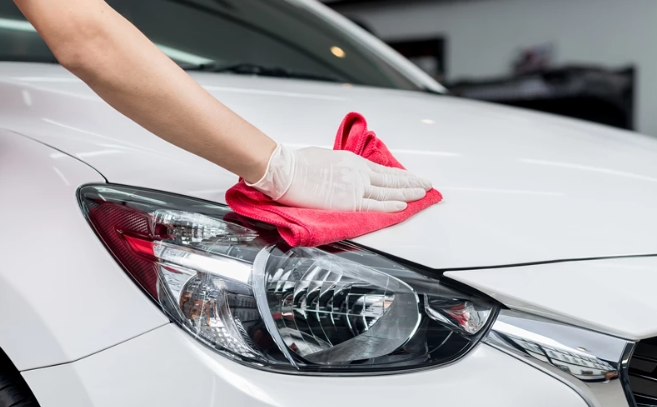
Applying wax or a paint sealant after washing helps shield the finish. Wax forms a physical barrier that keeps dust and contaminants from contacting the paint directly, while synthetic sealants create a longer-lasting polymer coating.
5. Don’t forget glass and rubber moldings
Water often collects around window rubber moldings, and if it remains there it can accelerate rubber hardening or lead to corrosion in seams. Rubber trim naturally hardens and cracks with age, and trapped moisture speeds that process. Wipe the moldings and glass edges carefully with a towel or use a blower to remove standing water.
Car washing is more than a cosmetic chore; it’s an important maintenance step that affects your vehicle’s lifespan. Many drivers focus on the wash but overlook the finishing steps. To protect paint, prevent mold and preserve durability, adopt a reliable post-wash routine. If you want your car to last, don’t stop at the rinse—finish the job the right way.













Most Commented