
Translation result
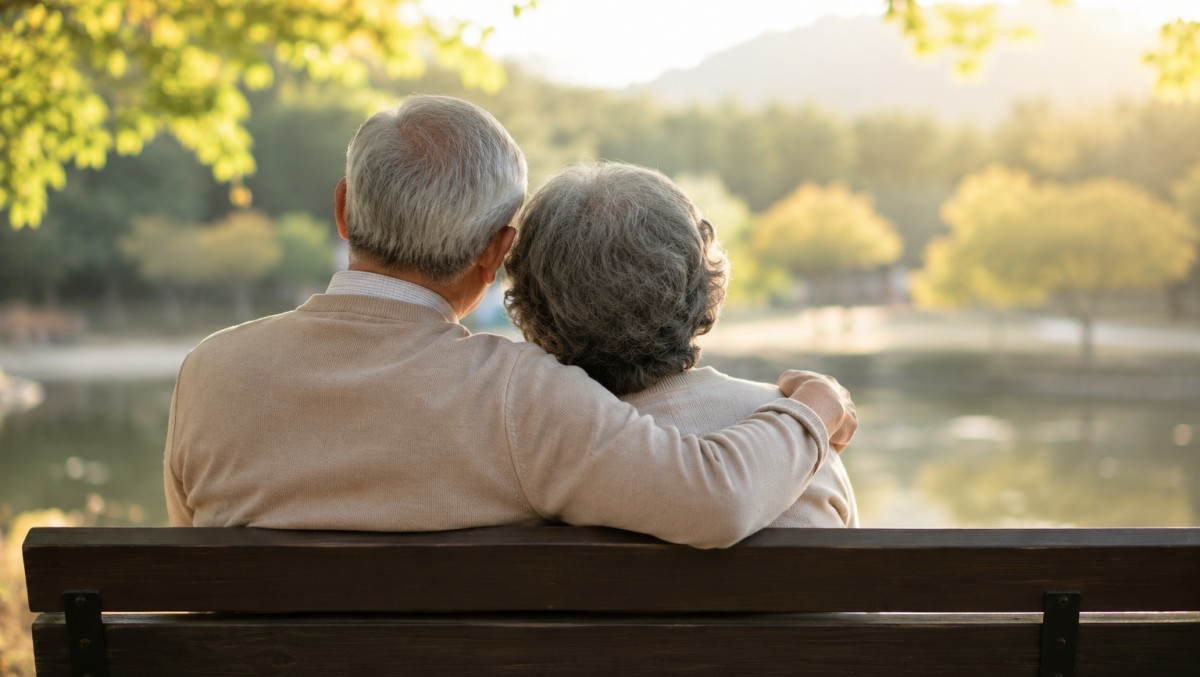
Growing older is not merely an arithmetic of years; it is the slow work of weathering life and shaping a distinctive self. When people talk about preparing for later life, they often think first of bank balances or property. But genuine dignity and well-being in old age aren’t measured only by visible numbers.
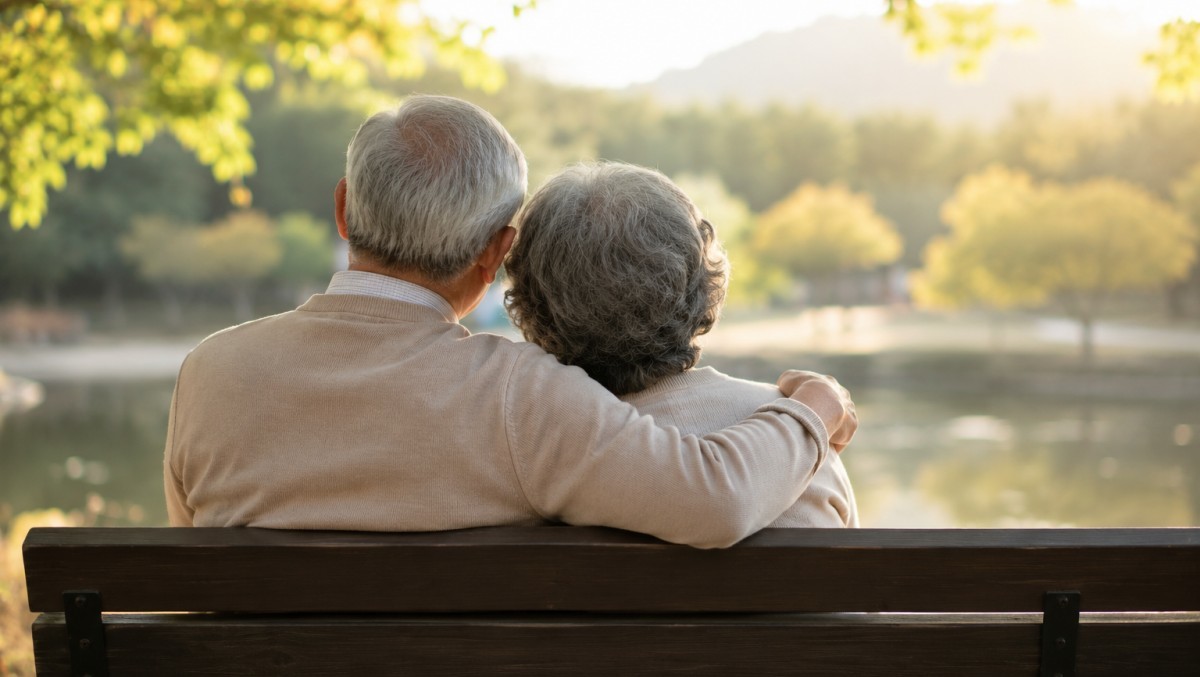
To be remembered after retirement as a person of presence—and to live with personal satisfaction—you must cultivate inner strength more than external trappings. From trustworthy behaviors like precise speech and upright posture to practical assets such as muscle strength and deep relationships, the areas that require attention are broader than many realize. In the era of living to 100, the conversation must shift from “How much do you have?” to “How will you age with grace?”
Today we outline specific behaviors that elevate the value of later life and identify core assets that matter more than money. Consider them prompts to reflect on your own approach to aging.
Which behaviors make someone look more refined with age?

8th: Dress neatly for the time, place, and occasion
The lowest-ranked item was clothing. Wrapping yourself in conspicuous designer logos can signal insecurity. A better approach is to build a wardrobe of well-made basics and choose outfits suited to the time, place and occasion.
Simplicity over flash, and a look that fits you over chasing trends—those are the hallmarks of what people often call an “old-money” aesthetic.
Rather than hiding flaws or pretending not to have erred, acknowledging mistakes with lightness and a sense of humor signals maturity. The ability to see yourself objectively eases tension and fosters connection. A relaxed laugh can brighten your face more effectively than any accessory.
Of the senses, smell links most closely to memory. Clean clothing, good oral care, and habits that control body odor matter far more than an expensive fragrance. Wearing freshly laundered clothes and keeping your surroundings tidy comforts others and signals a disciplined, orderly life.
5th: Make an effort to learn new devices and trends
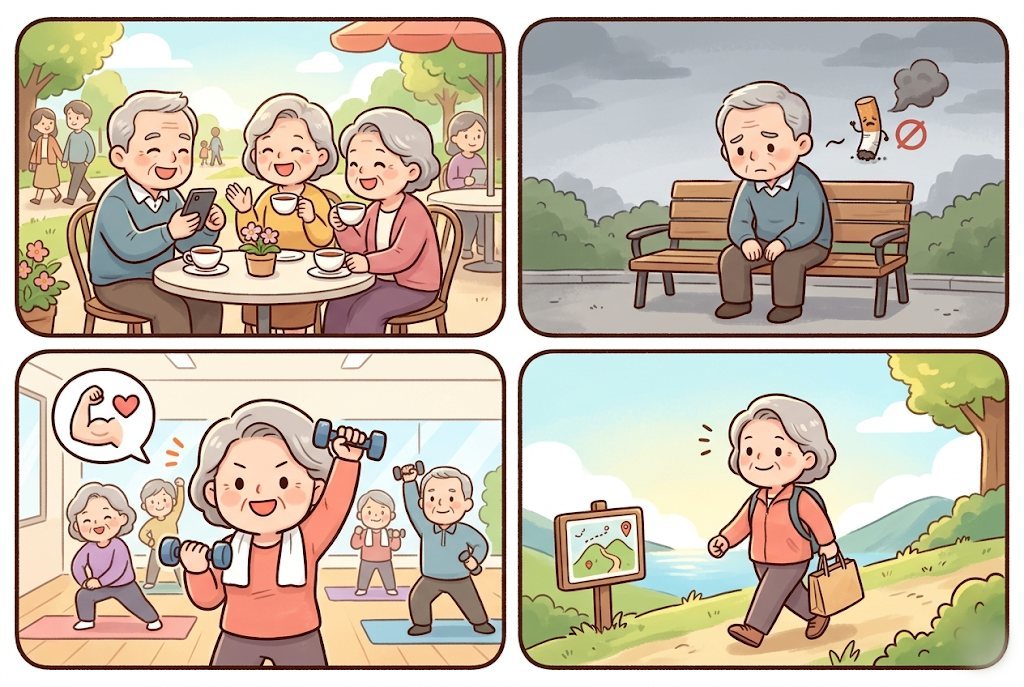
Sticking stubbornly to old ways and saying “I don’t do that” isolates you. Approaching new devices and trends with a willingness to learn keeps you engaged in society. Learning to use kiosks or messaging apps demonstrates digital literacy, reduces isolation, and adds a layer of intellectual polish.
Small cognitive changes can make some older adults speak louder or unintentionally invade personal space. A person with social finesse respects both physical and psychological boundaries. Keeping your voice at a suitable volume in public and maintaining comfortable distance in conversation are signs of contemporary, refined social skill.
Posture often matters more than the price tag on your clothes. A hunched posture suggests diminished confidence and accentuates age. Simply lengthening the spine and lifting the crown of the head creates a strong impression of self-care. Good posture builds trust, improves breathing and circulation, and gives the face a livelier appearance.
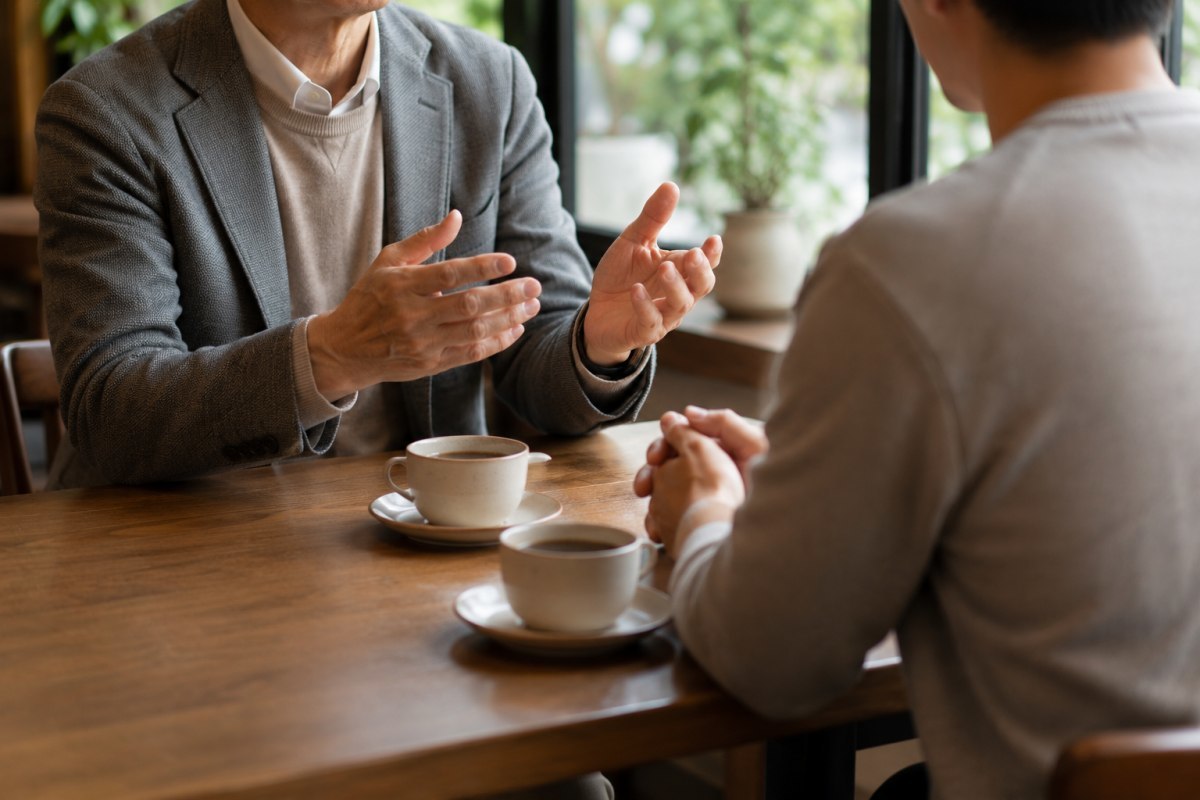
2nd: Don’t offer advice or meddle before being asked
No matter how much knowledge you possess, heaping unsolicited advice on someone diminishes your stature. Sociologists describe unasked-for advice as an expression of dominance. Choosing to listen and remain silent until invited shows respect and treats others as equals. As you age, restraining the impulse to showcase experience and practicing attentive listening are true marks of seniority and refinement.
Language habits top the list. Research from Harvard’s psychology department suggests that measured diction and correct grammar signal control over emotion and intellect. The key gesture of refinement is a three-second pause: after someone finishes speaking, wait briefly before replying. That small pause conveys calm and composure. Avoid profanity and excessive slang to reinforce a sense of self-command.
What are the real assets you need in later life?
The primary condition for a happy old age is people, not money. Harvard’s adult development team followed individuals over an unprecedented 80 years and found that the happiest, healthiest elders shared deep, meaningful relationships—not large fortunes. Some studies equate the health risks of social isolation to smoking 15 cigarettes a day. After retirement, family and friends who check in, share feelings, and stay connected form social capital that buffers against late-life depression.
Doctors increasingly describe muscle as the most reliable asset in later life. Muscle mass and joint mobility directly affect daily functioning. No matter how much wealth you hold, losing the ability to leave the house or manage routine tasks without help can erode self-worth. The ability to move independently preserves dignity and freedom—muscle is often a more dependable insurance policy than a pension.

3. Resilience: the ability to bounce back
Later life brings inevitable loss—retirement from a long career, the death of spouses or friends, and declines in physical ability. Resilience matters. Accepting hardship as part of life and rebuilding mentally shapes how peaceful your later years will be. A flexible mindset helps you find meaning amid pain and radiates a stabilizing influence to others.
When learning stops, mental aging accelerates. Neuroscience shows that the will to learn and the effort to acquire new skills stimulate neural plasticity, helping preserve cognition and reduce dementia risk. Curious elders bring rich conversation and a lively gaze. They invite connection—and that engagement, in turn, enhances their outward dignity.













Most Commented