
Translation result.

Back in 2004, when South Korea moved to a five-day workweek, anxiety outweighed celebration. An extra day off didn’t feel like mere rest; many feared it would disrupt the rhythms and balance of life they’d always known. Scarred by past scarcity, people worried, “If we work less, will the country suffer?” and “We’ve come this far through hard work—will that momentum be lost?”
Life had been relentless: many worked even on holidays, so adding a day off felt strange and risky. Churches felt the same anxiety. Leaders feared that with both Saturday and Sunday free, members would skip services and scatter to the mountains and fields, putting congregations at risk. Some began Saturday services; others called for stricter observance of Sunday worship. At the time, fear often seemed to outweigh faith in the Korean church.
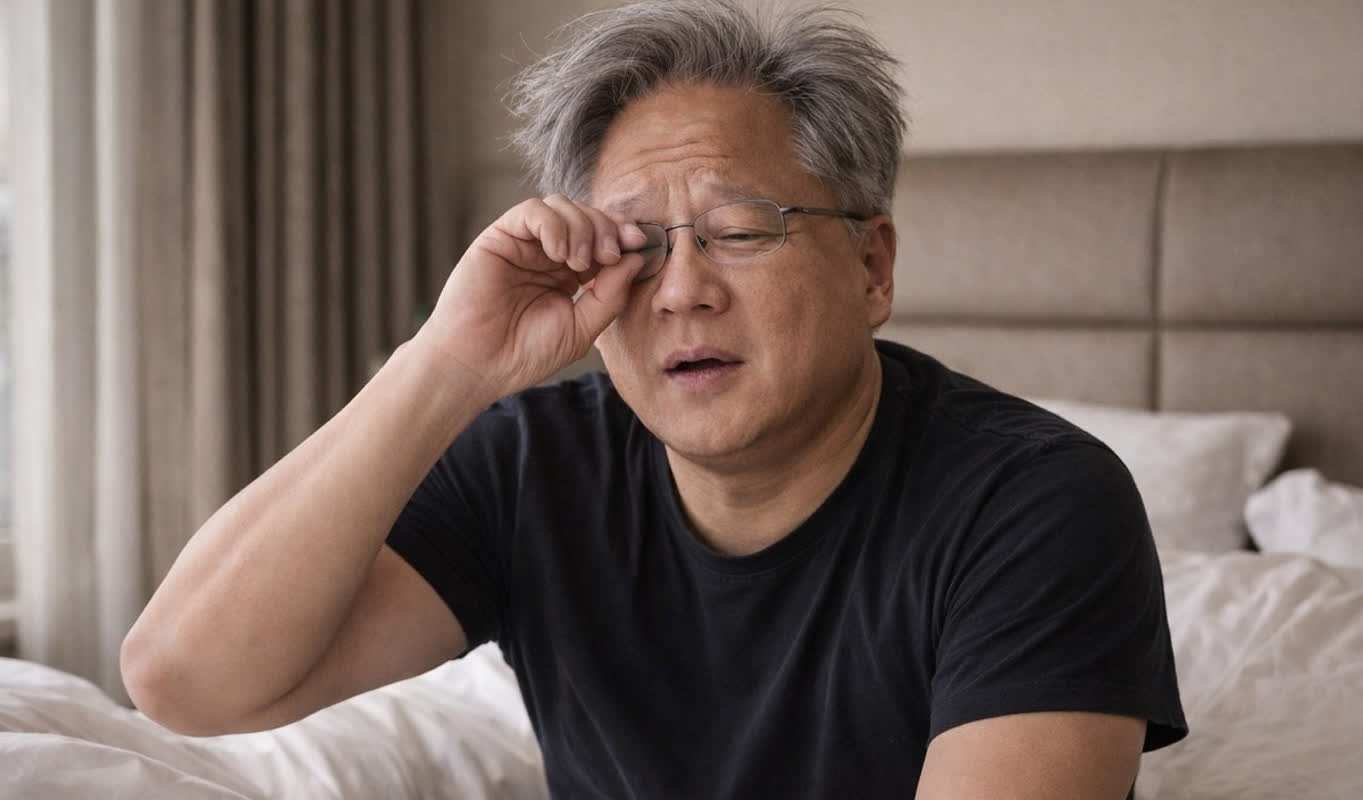
More than 20 years have passed. The Saturday day off has shown those worries to be overblown. On Saturdays, people sleep later and start the day at a slower pace. They recover from the week’s fatigue, catch up on chores, and strengthen family life. They exercise, read, or simply do nothing. We learned that rest doesn’t break people; it rebuilds them.
The church has followed that shift. Saturday is no longer another frenzied workday but a time for renewal. On Saturday afternoons, people come to church at a relaxed pace to volunteer, socialize, and prepare for Sunday. That unhurried rhythm has deepened Sunday worship and sharpened congregational focus.
Suwon is a city of about 1.2 million. It carries the filial legacy of King Jeongjo and hosts global companies such as Samsung Electronics and SK. On weekends, the area around Hwaseong Haenggung Palace fills with young people from across the country. Where history and modern life meet, people walk, look, and meet one another. Saturday afternoons in Suwon feel alive. Under the warm spring sun, fans in Suwon Samsung Bluewings jerseys and supporters of the KT baseball team head to the stadium in small groups. Their steps convey anticipation and energy rather than hurry.
Saturday has become more than a day of rest. It’s a day to reorder life and find ourselves—not to run faster, but to live better. Saturdays help us prepare for the next step. They turn people worn down by constant work into people who care for themselves, spend time with family, and focus on what they love.
I believe the public’s sensible response to social scientists’ gloomy forecasts—and our national resilience—made this possible. According to a May 1 report from the Ministry of Trade, Industry and Energy on March trade, exports rose 48.3% year over year despite tensions in the Middle East. The AI-driven boom kept the semiconductor supercycle strong, and monthly exports surpassed $80 billion for the first time, reaching $86.13 billion (129.5395 trillion KRW, approximately $97.15 billion). Exports have risen for ten consecutive months, and the trade balance has posted a surplus for 14 straight months. This, I believe, is the result of hard work, prudent rest, and careful preparation.
It’s good to have Saturdays.














Most Commented