
Why Do Japanese People Eat with Their Rice Bowls in Hand? Discover the Cultural Significance!
Daniel Kim Views
Translation result
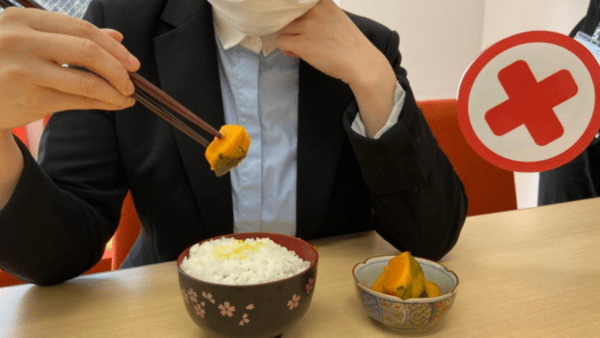
Why do Japanese diners lift their rice bowls while they eat?
For many first-time visitors to Japanese restaurants, the most striking sight is people lifting their rice bowls while they eat. In Korea, it’s common to leave bowls on the table; in Japan, however, leaving a bowl down can be seen as impolite.
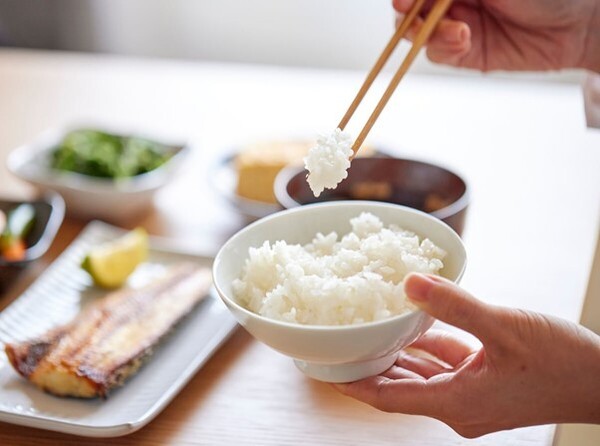
Lifting the bowl signals respect for the food. Bringing it close to the mouth reduces spills and encourages neater eating — a practice handed down through generations. Because small rice bowls are common in Japan, this habit became widespread.
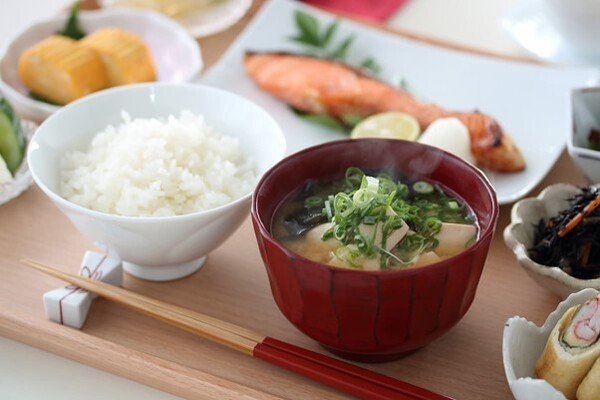
By contrast, bending over to eat with a bowl left on the table can be viewed negatively. Japanese etiquette guides sometimes warn it may resemble “eating like a dog,” so people are often advised to avoid that posture.
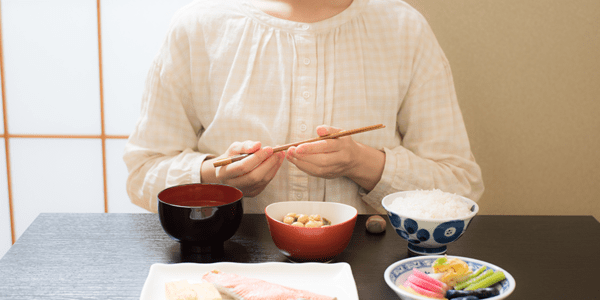
Children in Japanese households are often taught from an early age to support a rice bowl with one hand while eating. As a result, it’s common to see most diners lifting their rice bowls in restaurants.
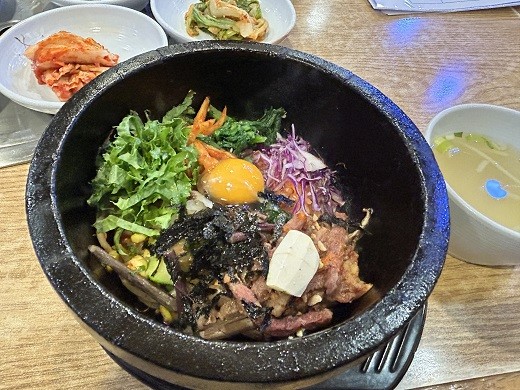
A notable contrast between Korean and Japanese table culture stems from the size and arrangement of dishes. Korean meals often include multiple soup bowls and side dishes on larger tables, so leaving bowls down is natural. Japan’s smaller place settings and focus on individual plates made lifting bowls more practical.
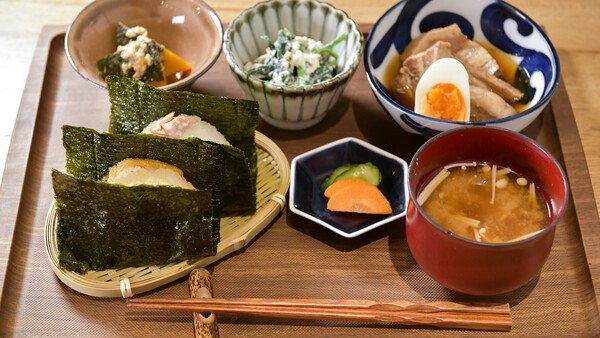
That said, not every dish is lifted. Large bowls—ramen, for example—and big plates usually remain on the table; lifting is most common for rice bowls and small soup bowls. Pulling a dish closer with chopsticks is also widely regarded as poor manners.
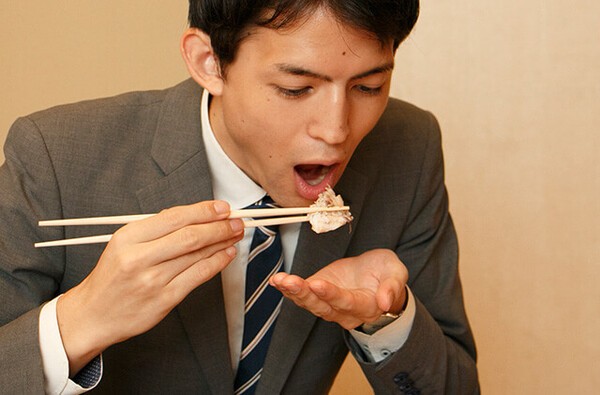
Even within East Asia, dining etiquette varies. Gestures that feel natural in Korea may stand out in Japan — a reminder of how neighboring cultures can evolve distinct customs.













Most Commented