
Translation result.
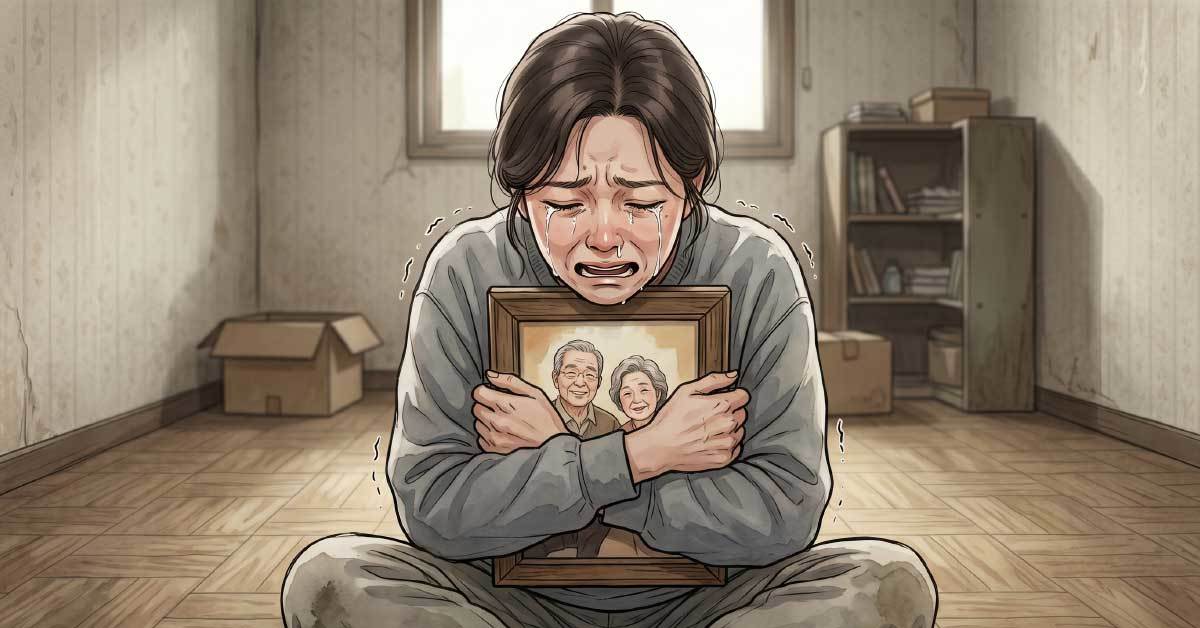
Statistics Korea’s 2024 life table shows life expectancy in South Korea at 80.6 years for men and 86.4 years for women. Those numbers look long on paper, but the time you actually get to spend with your parents is often much shorter.
By the time you reach your 40s, your parents are often in their 70s, and health can change in an instant. Regret over things you meant to do but never did usually arrives too late. That’s why you shouldn’t postpone what you can do today.
1. 목소리를 녹음해둔다
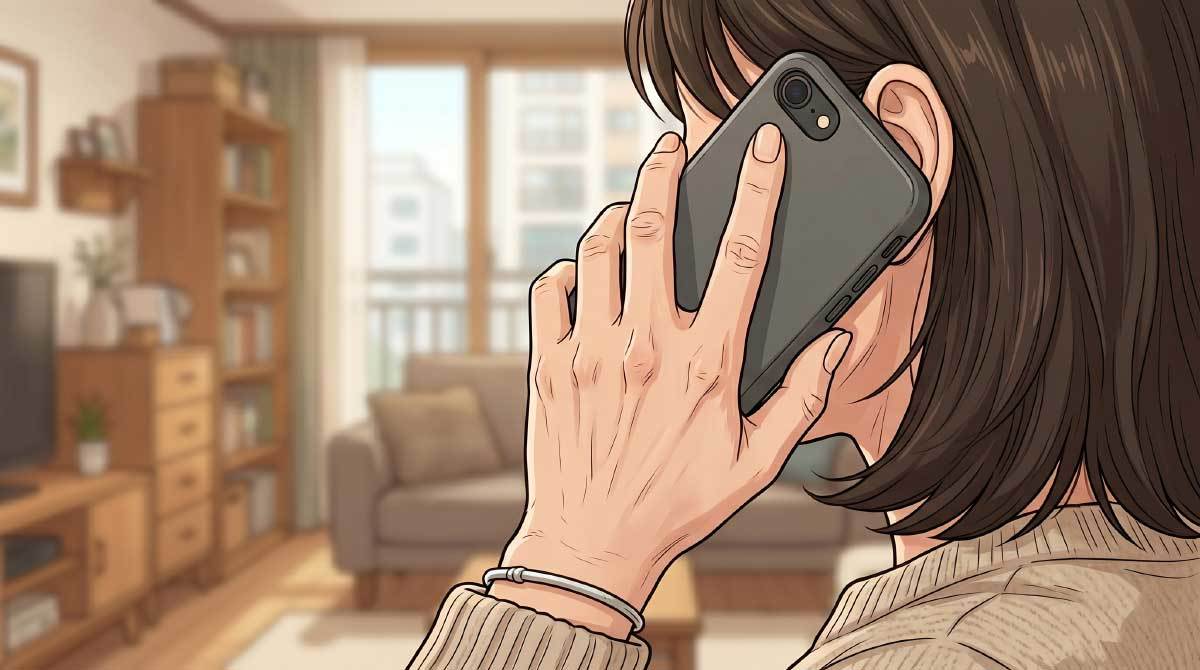
A parent’s voice is often the first thing to fade after they’re gone. Photos may remain, but a voice lives only in memory. Recording a routine phone call or a simple “let’s eat” now creates an irreplaceable keepsake. It doesn’t have to be a special occasion—start with one call today.
2. 함께 가족 사진을 찍는다

Many people can’t remember the last photo they took with their parents. If you keep putting it off because it feels awkward, you may end up with none at all. Take out your phone and take one now. It doesn’t matter if the picture isn’t perfect—the record that you were together is what counts.
3. 어린 시절 이야기를 들어둔다
Most adult children don’t really know what their parents lived through—the dreams they had, the hardships they faced when they were young, or who they were before marriage. The Ministry of Health and Welfare’s 2023 survey of older adults found that 41.0% of people aged 65 and over feel they don’t talk enough with their children. Parents are often waiting—ask them first.
4. 밥 먹을 때 스마트폰을 내려놓는다
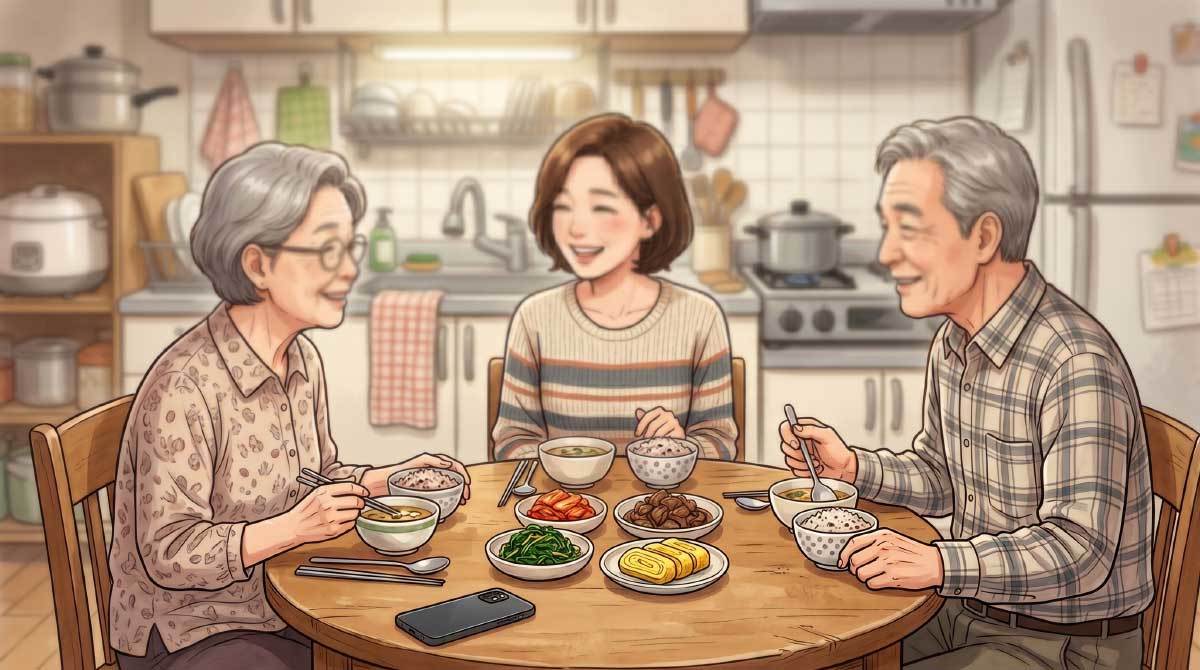
Being in the same room while everyone stares at their phones is not the same as being together. When eyes are on screens at the table, conversation disappears and silence fills the room. Statistics Korea’s 2025 data on older adults shows that 23.7% of people 65 and older live alone—about one in four. Time spent eating together may be the moment your parents look forward to most each day. Put your phone away during meals.
5. 건강 상태와 병원 정보를 미리 파악해둔다
More children than you might expect don’t know what illnesses their parents have, which hospitals they visit, or what medications they’re taking. If an emergency happens and you lack that information, you can be caught off guard. Note their regular clinic, current medications, and any chronic conditions. This isn’t a nuisance—it’s basic preparation for something that could happen at any time.
6. 재산과 유언 관련 이야기를 나눈다
Talking about money can feel awkward or even disrespectful, but disputes over inheritance after a parent’s death are more common than you’d think. Discussing matters in advance helps ensure your parents’ wishes are honored. Preparing a will and documenting bank accounts and property details ahead of time can prevent unnecessary family conflict later.
7. 고맙다는 말을 한다

In many Korean households, people rarely tell their parents “thank you” or “I love you.” Out of shyness, some never say it before their parents pass away.
The Ministry of Health and Welfare’s 2023 survey found that what older adults most want is frequent contact and visits from their children. You don’t need grand gestures—a phone call, a short message, or a simple “thank you” can mean more to your parents than anything else.
We tend to take our parents’ presence for granted and only feel the void after they’re gone. Acting on what you can do now is the best way to avoid future regret.
※ This piece is original knowledge and culture content from Wikitree.














Most Commented