
Why 2030’s Young Adults Are Obsessed with Night Running: The Rise of the Running Crew Culture
Daniel Kim Views
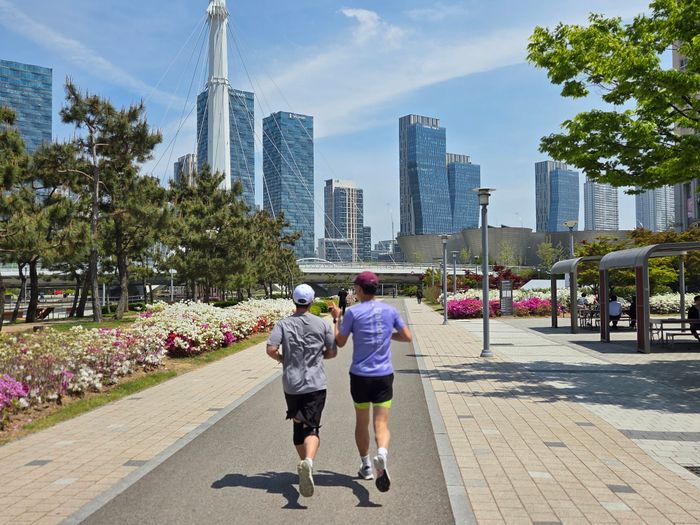
At 8 p.m. on a weekday, Central Park in Songdo, Incheon quiets as young people arrive in lightweight running gear and carbon‑fiber shoes.
At first glance they could be marathoners in training, but these are voluntary “running crew” members who gather after work.
“Today’s route is three laps around Central Park. Watch for injuries!” the crew leader calls, and runners in their 20s and 30s set off across the city.
South Korea’s running boom has become something like an obsession. It’s a different scene from the past, when middle‑aged people might walk alone in parks for health. Why are people in their 20s and 30s so drawn to running the city at night? We examined how they turn running into a culture of “run, snap, share.”
‘The Process’ Over ‘Finishing’: How People in Their 20s and 30s Redefine the Marathon
The biggest shift in running trends shows up in goals. Where marathons once meant finishing 42.195 km or shaving time off a segment, today’s younger runners treat the preparation itself as entertainment and content.
Park, a man in his 30s who works in Songdo, said, “I eat the salad the company orders — that’s my dinner. We usually meet at 7 or 8 p.m. Experienced runners cover fairly long distances; beginners run shorter routes. After everyone completes their planned distance, they head home. They don’t stay to eat or drink together.”
Park added, “People in their 20s and 30s take photos of themselves running or get ‘proof’ shots at certain spots and then share them on social media. They post to show they kept the promise to themselves to hit their daily goal, not to brag.”
For this generation, running is no longer a solitary struggle. Under the banner of “running crew,” members monitor each other’s pace and offer encouragement. The old drinking‑heavy company outing has, in many cases, given way to a healthier form of social bonding.
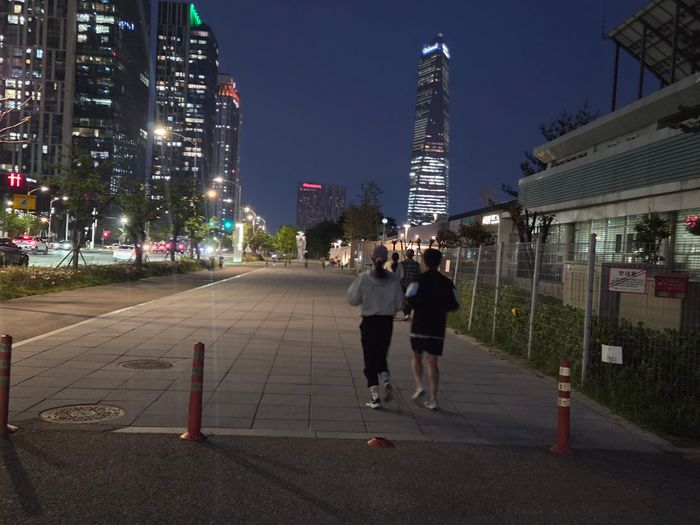
‘If You Don’t Snap It, It Didn’t Happen’: How Social Media Shaped the Night‑Running Aesthetic
For runners in their 20s and 30s, verification photos are as important as the run itself. They pause at so‑called “photo spots,” pull out their phones and shoot against neon skylines or close‑ups of sweat‑flecked faces, then post in real time.
This practice pairs with the popular “오운완” (today’s workout complete) hashtag to create substantial reach. By uploading visual proof — GPS routes, pace, calories burned — runners cultivate an image of self‑discipline and achievement.
Routes that cut through Seoul hotspots like Seochon, Seongdong and Yongsan are especially popular. Running past vintage alleyways and stylish café streets becomes a shorthand for a hip lifestyle. The futuristic layout of Incheon’s Songdo Central Park is also a favorite for younger runners.
Technology Drives the Running Boom: The Rise of the ‘City Run’ and Smarter Gear
Technology has lowered the barrier to entry. Smartphone apps are no longer mere recorders; they act as personal coaches. They recommend accessible “city run” routes of 3–5 km and provide voice prompts to help runners manage pace.
Data show signups by people in their 20s and 30s for running apps rose more than 40 percent year over year. Night‑running logs now account for roughly half of activity, reflecting office workers’ desire to use after‑work hours for fitness and the visual allure of running through the city at night.
The notion that “all you need is sneakers” is dated. Many runners now wear carbon‑plate shoes that cost 200,000–400,000 KRW (approximately $150–$300), strap on heart‑rate‑monitoring smartwatches and choose moisture‑wicking performance apparel.
That gear‑driven culture has elevated running from casual exercise to a serious hobby. Running shoes lead sales in the sporting goods market, and major brands are sponsoring crews directly and enhancing app‑linked membership perks as they build a broader running ecosystem.
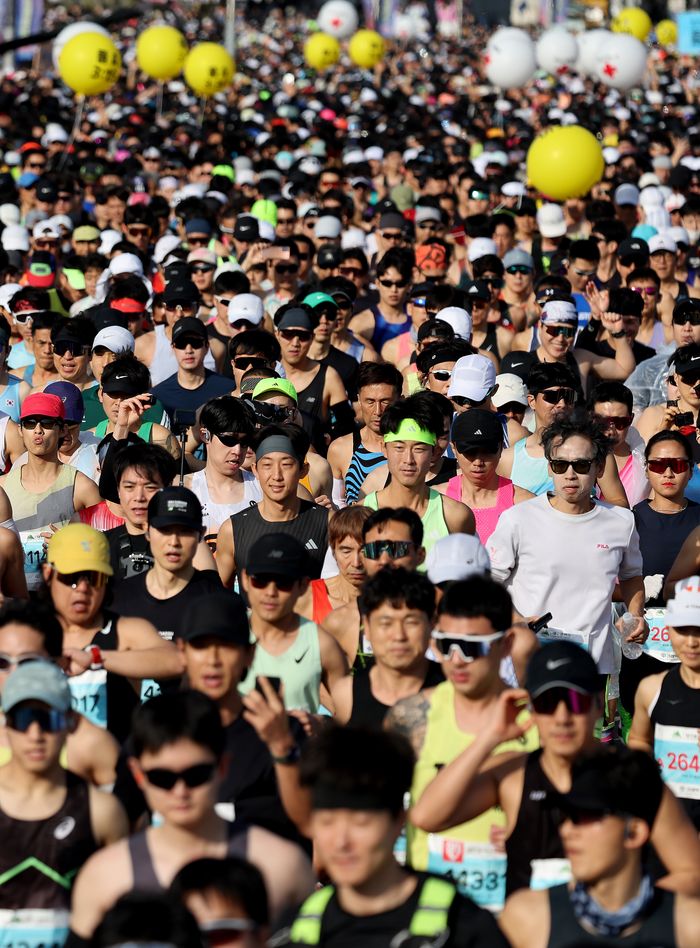
Loose Bonds and a Sense of Self‑Control
Running crews offer a different social dynamic than the old, tightly knit corporate structures. They provide a comfortable sense of belonging: members don’t pry into each other’s private lives, yet they connect over a shared interest in running. That distance suits young people who can feel isolated.
The “run, snap, share” routine does more than reshape personal habits — it alters the urban landscape and maps new commercial opportunities. After work, Park ties his laces and heads to Central Park. His aim is simple: to meet a healthier, changed version of himself.
© Dailian Co. Unauthorized reproduction or redistribution prohibited.
- “Full matches are too long”: Short‑form video dominates sports viewing, accelerating dopamine‑seeking behavior among people in their 20s and 30s
- Unconventional dates beyond theaters and cafes: people in their 20s and 30s take up sport climbing
- People in their 20s and 30s are most at risk… the flip side of warm spring days
- “14 assists” Son Heung‑min’s evolution: the ‘soccer master’ aura blooming at LAFC
- “5th‑place Sono vs. 6th‑place KCC” — Which underdog will claim the inaugural title?













Most Commented