
Translation result
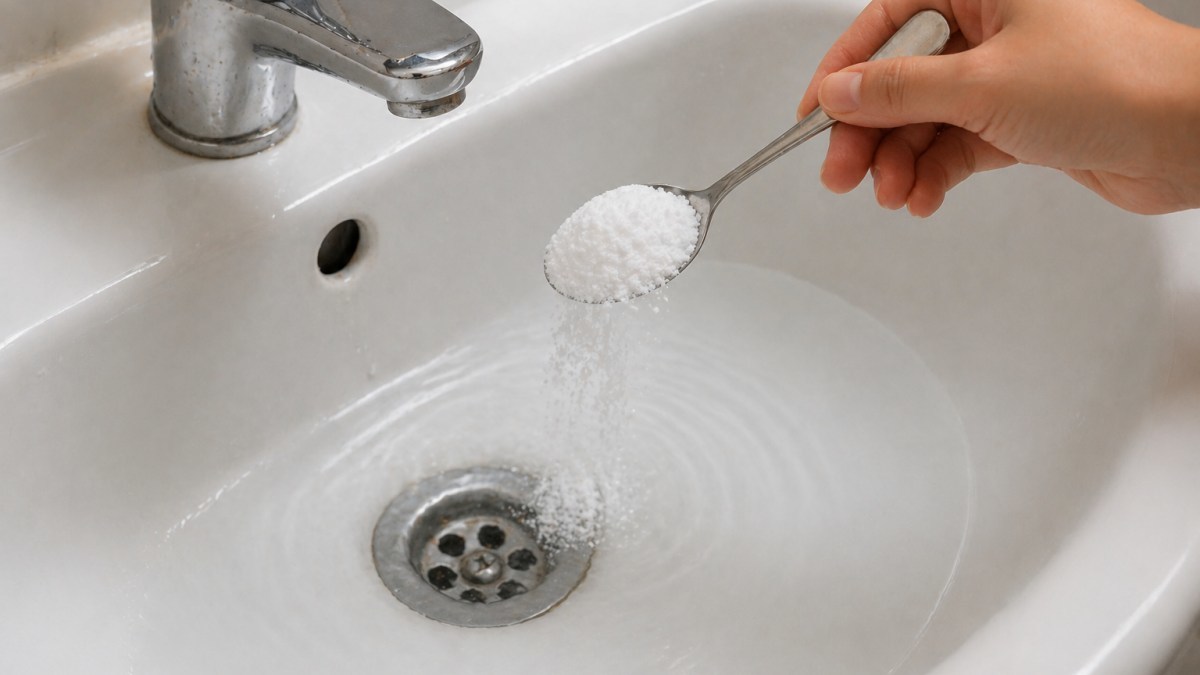
Unwanted problems around the house can show up without warning. After work you might find a clogged sink, a yellow sweat stain on the collar of a favorite white shirt, or black mold in the grout of a bathroom tile. You don’t always need to call a plumber or buy expensive specialty cleaners. Many households already keep a powerful ally on hand: sodium percarbonate, an oxygen-based bleach. A single cup of the white powder can tackle a range of chores and noticeably improve everyday living.
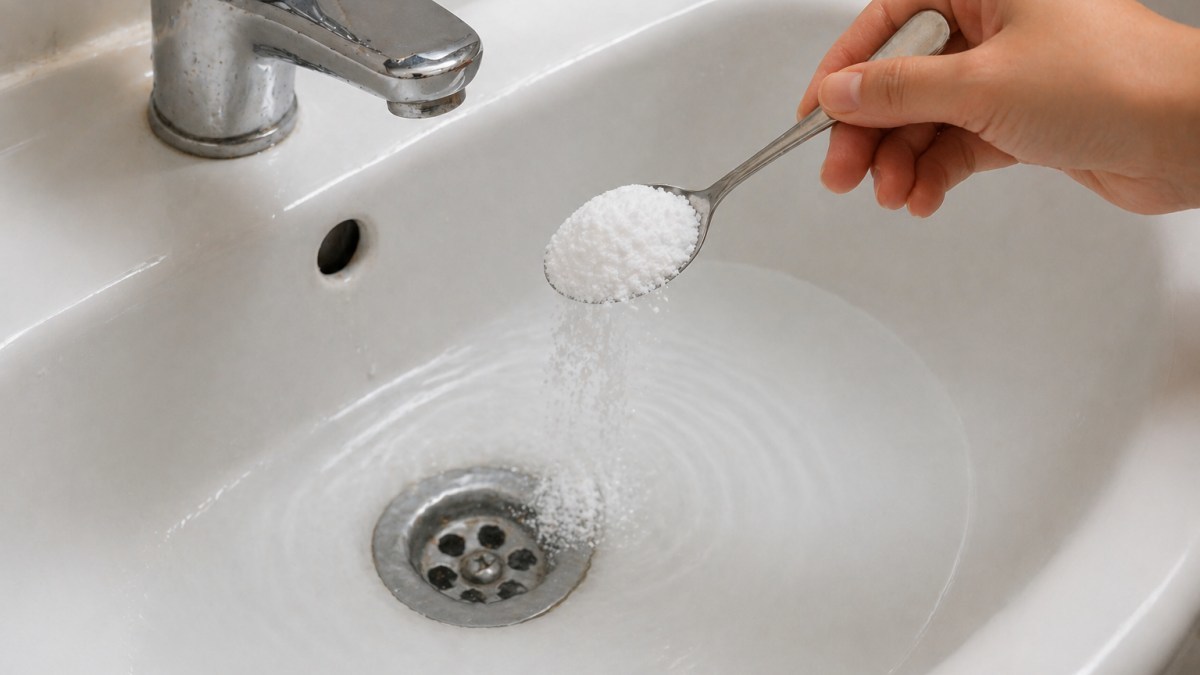
What makes sodium percarbonate appealing for home use is its simplicity and effectiveness. You don’t need to memorize chemical formulas or do heavy scrubbing. Sprinkle the powder where it’s needed, add warm water, and let the chemistry do the work.
Reach for the jar tucked in the back of your kitchen cabinet. Invest five minutes to clear a clogged sink; wait an hour and grout can be restored to a clean, near-white appearance.
When used correctly, it performs across the home—from the kitchen to the laundry room. It neutralizes foul odors in sink drains and removes hidden mold in washing machines, giving your home a fresh reset with a single product.
How to clear a clogged sink
If the sink is draining slowly, a simple treatment with sodium percarbonate often does the trick. Follow these steps.
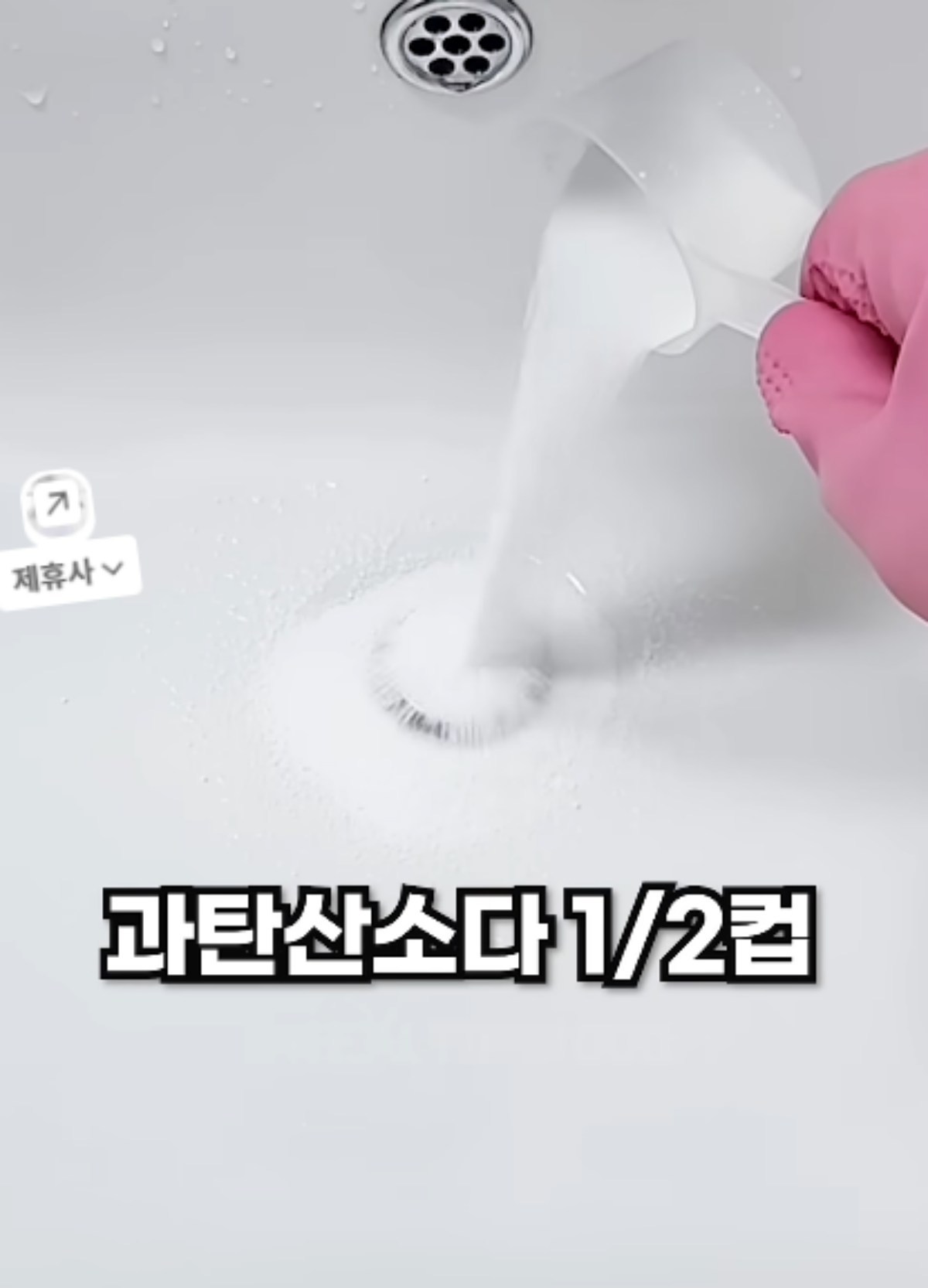
As demonstrated on the YouTube channel “Real Tips,” start with a dry sink drain and evenly sprinkle 1/2 cup of sodium percarbonate into it. Put another 1/2 cup into a heatproof container for the next step. Avoid paper cups that may deform with hot water; use a heat-resistant vessel.
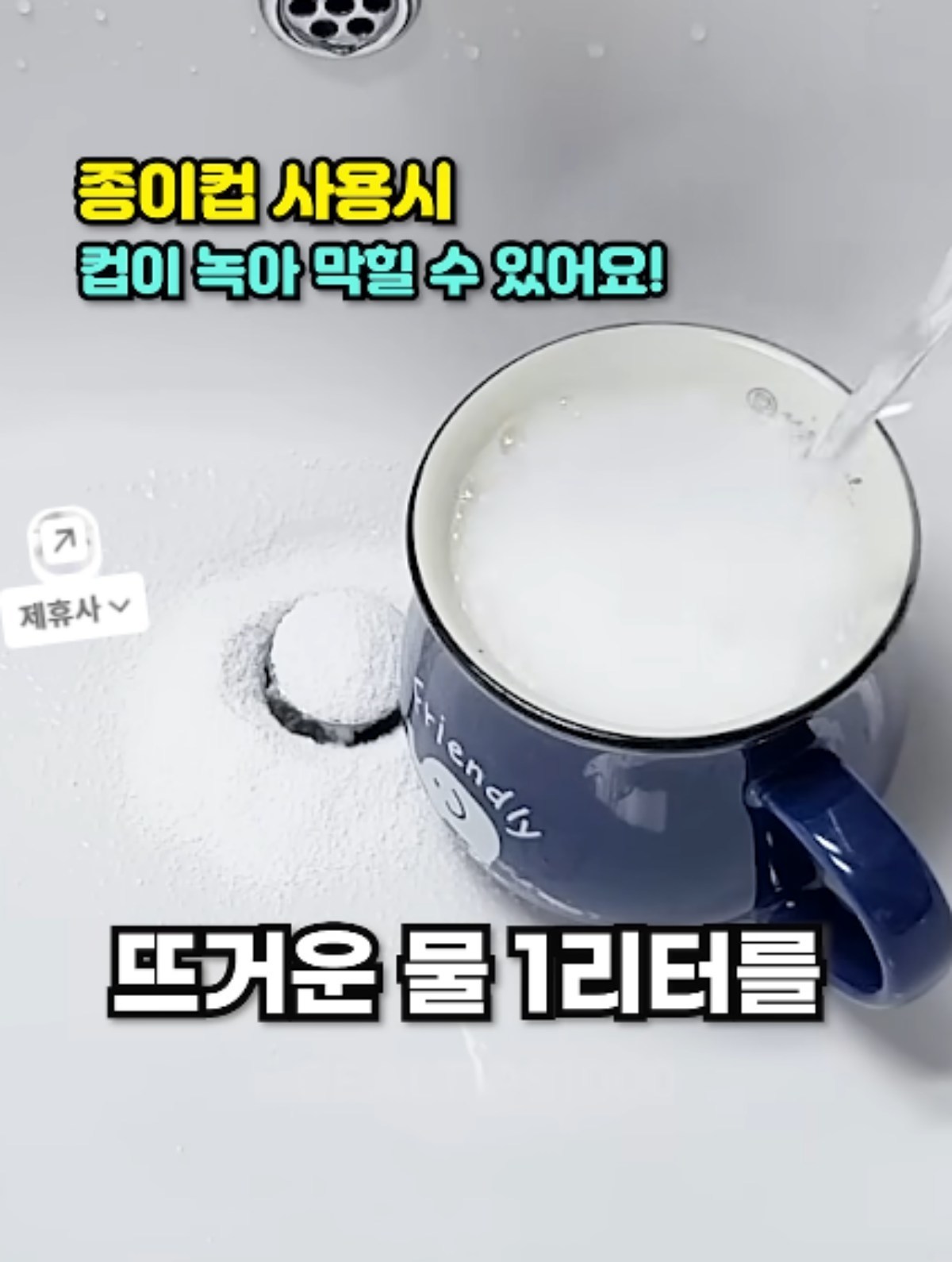
Next, prepare about 1 liter (roughly 1.06 qt) of hot water at approximately 122°F (50°C). Slowly pour the hot water down the drain and into the container. When the water meets the powder, a reaction produces white foam.
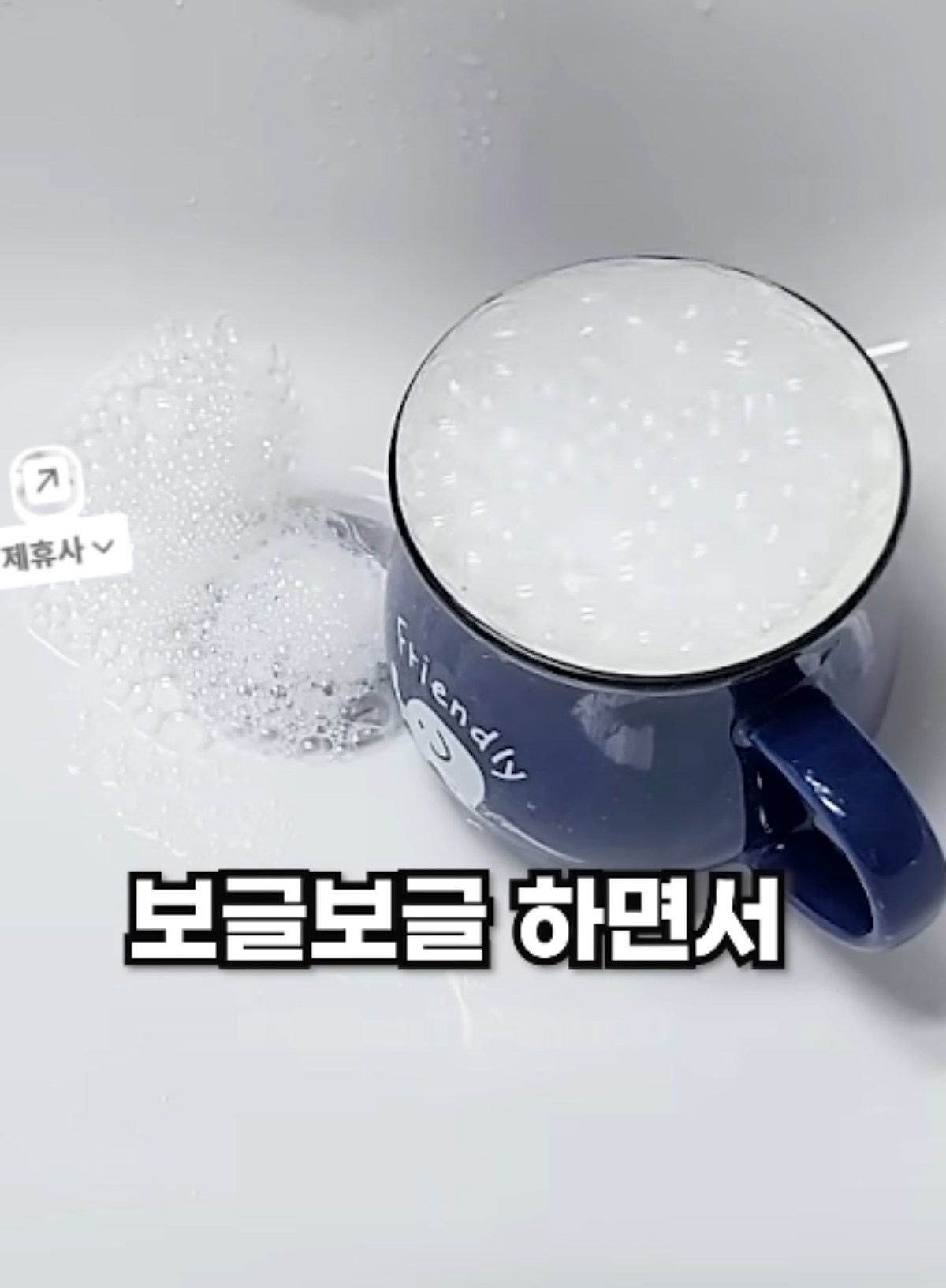
The activated oxygen in the foam swells and breaks down trapped hair, soap scum, and protein-based residue inside the pipes. Let the foam work for about five to 10 minutes, then run water to flush the drain—this usually clears the blockage.
Safety precautions when using oxygen-based bleach
Take precautions when using sodium percarbonate. First, ventilate the area. Steam produced when the powder reacts with hot water can carry fine alkaline particles, so open a window or run an exhaust fan.
Wear rubber gloves. Strong alkaline substances can damage skin proteins, so avoid handling the powder with bare hands.
Sodium percarbonate reacts with moisture in the air and continuously releases oxygen. Stored in an airtight container, pressure can build and cause the container to bulge or rupture. Store it in a vented container or keep the lid slightly open.
Do not mix it with acidic cleaners like vinegar or with chlorine-based bleaches. Those combinations can neutralize cleaning power or produce toxic gases.
Check the material you’re treating before use. Avoid using sodium percarbonate on aluminum or on garments labeled for wool or silk or those requiring neutral detergents—doing so can cause discoloration or damage.
Multiple household uses for oxygen-based bleach
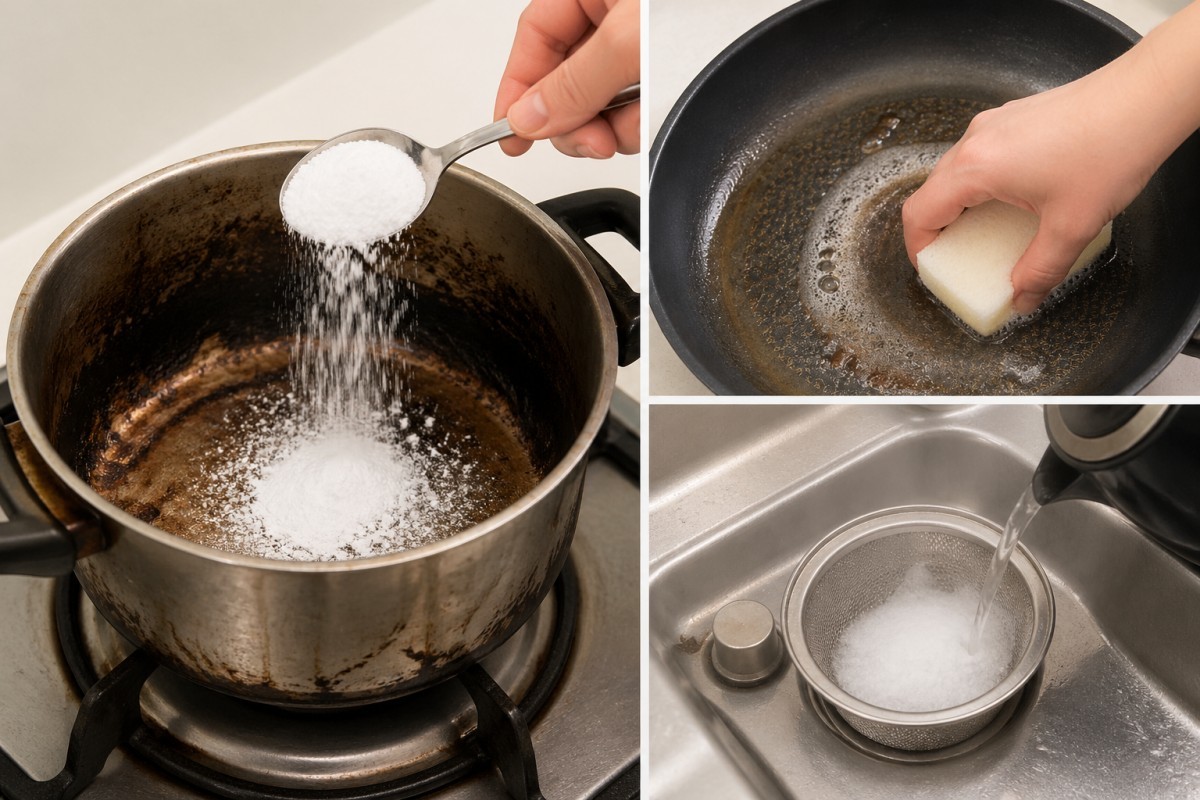
Sodium percarbonate is an oxygen bleach with strong alkalinity that delivers powerful cleaning across kitchens, laundry rooms, and other everyday spaces.
Use it to remove grease and burnt residue from cookware. After frying meat, oil and scorched spots often cling to pans and pots. Fill the pot with water, add 1–2 tablespoons of sodium percarbonate, and simmer on low for about 10 minutes—the burnt areas will loosen. Sprinkling the powder on sink strainers and pouring hot water over them also helps remove odors and buildup.
It whitens laundry and removes yellowing. Sodium percarbonate restores fabrics yellowed by sweat or food. Dissolve it in 104–140°F (40–60°C) warm water and soak garments for about 30 minutes; oxidation lifts stains. Adding one spoonful when boiling towels or dishcloths boosts disinfection and helps eliminate musty odors.
It also removes hidden mold inside washing machines. Fill the drum with hot water, add about 500 g (roughly 1.1 lb) of sodium percarbonate, and let it soak for 1–2 hours. Then run a normal cycle—the soak and wash will help remove fine residues and bacteria clinging to the drum walls.
Bathroom uses
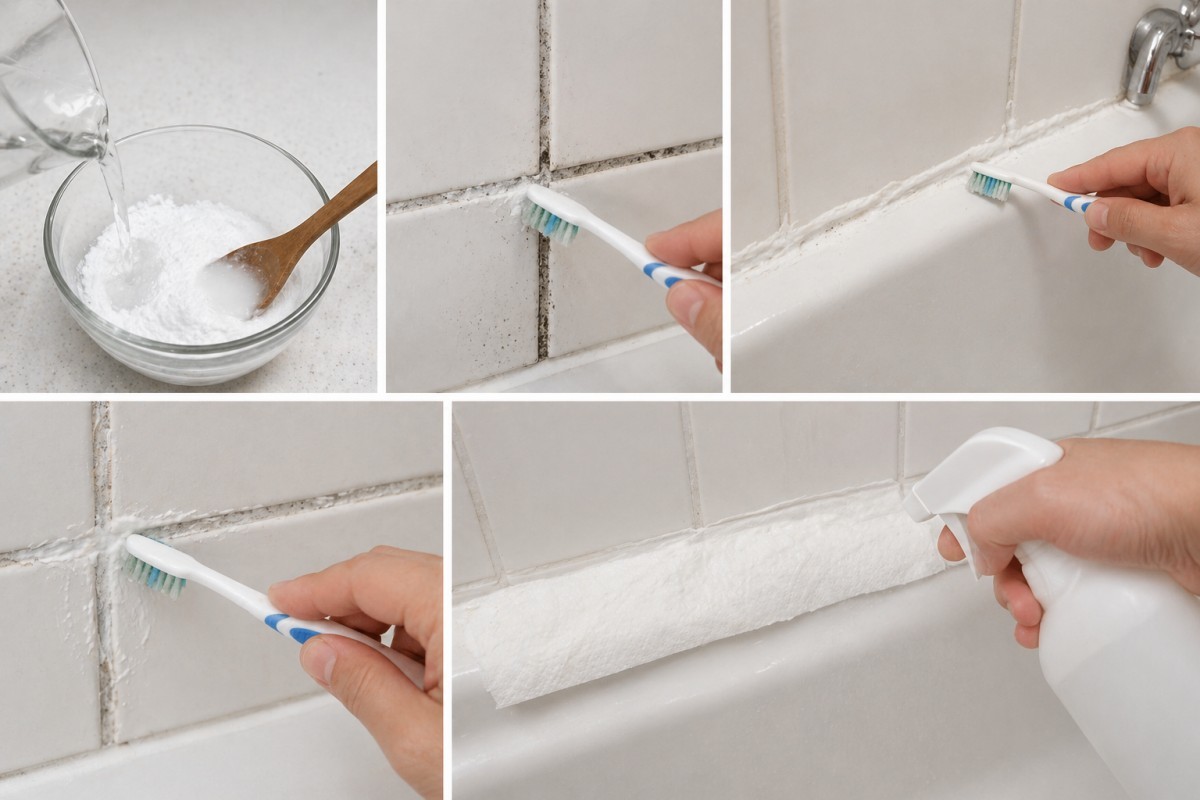
Sodium percarbonate works on bathroom tiles too. Mix a small amount of the powder with water to make a thick paste, then apply it to moldy grout or silicone. Let it sit for about an hour, then scrub gently with a brush to clean without harsh chemical cleaners.
For best results, mix sodium percarbonate with lukewarm water (about 104–122°F / 40–50°C) in a 3:1 or 2:1 ratio. If the paste is too thin it will run down vertical surfaces; if it’s too thick it won’t penetrate. Aim for a consistency slightly thicker than yogurt.
To improve adhesion and cleaning power, add two or three drops of dish soap. The surfactant helps the paste cling to vertical surfaces.
Apply the paste with an old toothbrush or small brush. Don’t just spread it—tap the grout lightly with the bristles so the paste penetrates deeply.
Be cautious on silicone: its soft texture lets mold penetrate. After applying a 2–3 mm layer of paste, cover it with a paper towel or kitchen towel and lightly mist with water to keep it in contact. That slows evaporation and gives the oxygen bleach time to reach inside the silicone.
Light staining can clear in about 30 minutes, but dark mold may need one to two hours. Small bubbles appearing in the paste indicate activated oxygen is breaking down mold cell walls.
If the paste dries completely, it becomes hard to remove; mist it occasionally to keep it moist. When scrubbing, use gentle circular motions rather than forceful rubbing. The powder’s granules act as a mild abrasive to lift dirt from textured surfaces.
Rinse thoroughly with lukewarm water rather than cold to remove powder residue. Residual alkalinity can leave white powdery marks after drying, so a careful rinse is important.
Precautions when using the paste
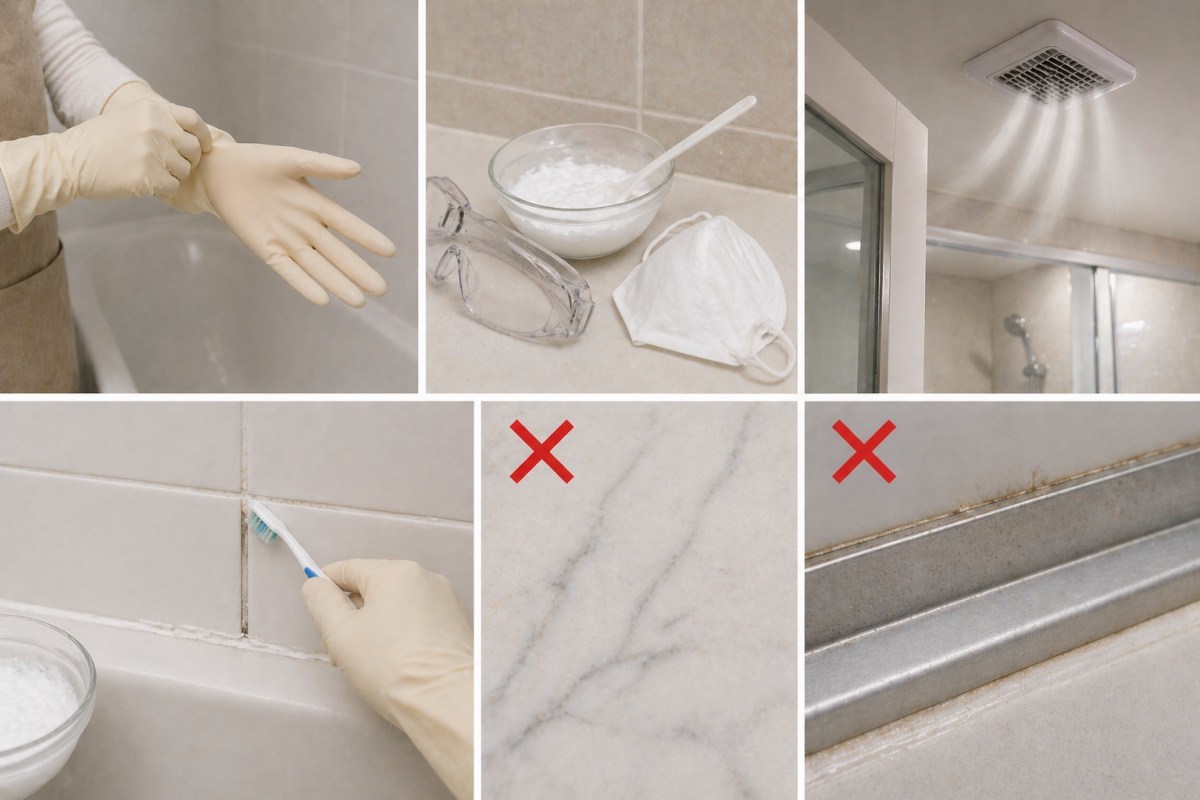
Take extra care with concentrated sodium percarbonate paste. In high concentration it can rapidly damage skin proteins on direct contact. Always wear rubber gloves and a mask when working, and keep the bathroom door open and the fan running so concentrated gases do not accumulate in a small space.
Also avoid using it on marble (natural stone) or certain metal moldings; the strong alkaline nature can cause discoloration or dull the finish. Test in an inconspicuous spot before broader use.














Most Commented